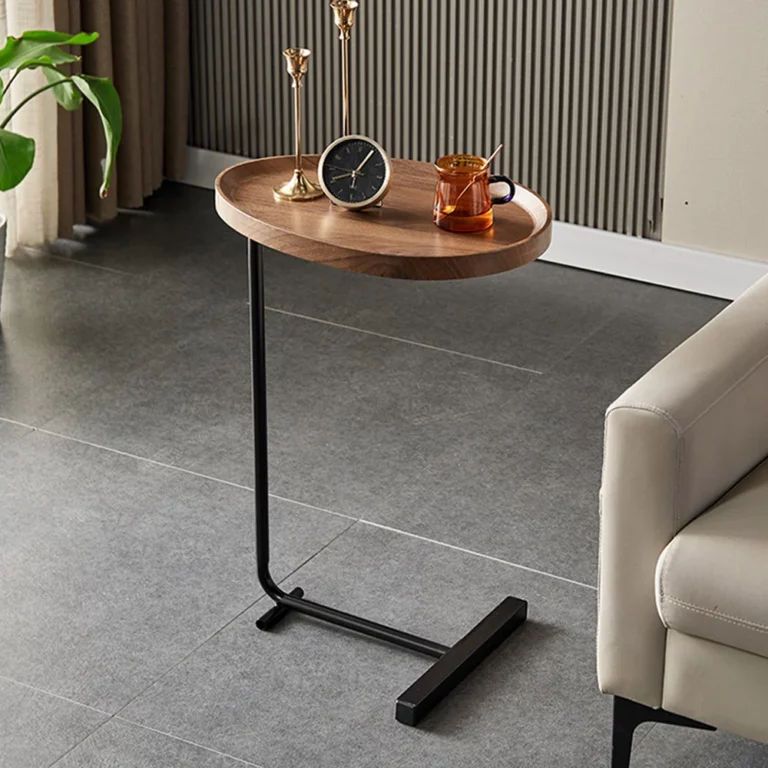

A minimalist clock should make time easy to notice without making a room feel busier. The real choice is not old versus new. It is whether the clock supports the wall, the room’s light, and the way people check time during the day.
In 2026 homes, an analog minimalist clock often works best when the clock should blend into decor. A digital minimalist clock often works best when the time should register instantly.
What Makes an Analog or Digital Minimalist Clock Truly Minimalist?
Minimalism is not decided by display type alone. A modern minimalist clock should limit visual noise, use clear contrast, and avoid unnecessary information. The eye should understand the time without feeling pulled into a busy surface.
Analog Minimalist Clocks: Clean Dials, Simple Hands, and Visual Rhythm
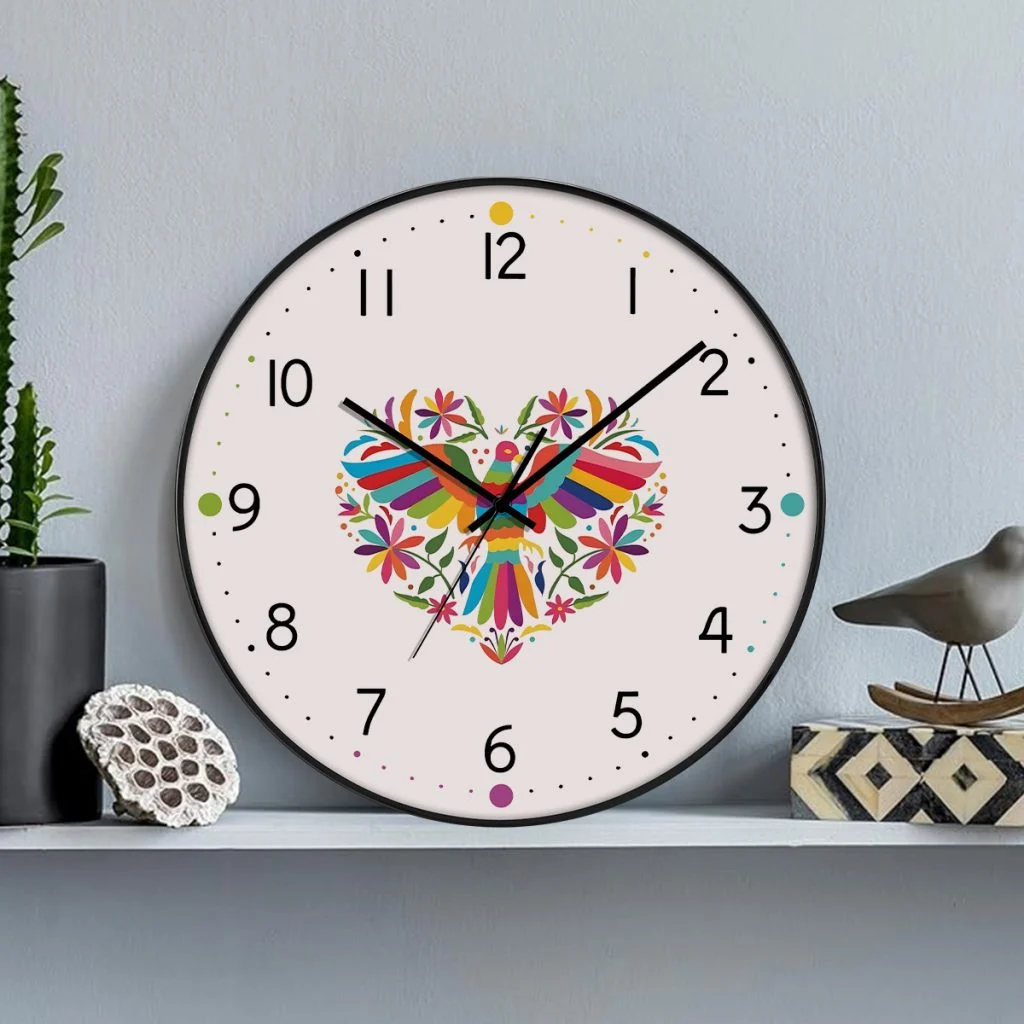
An analog minimalist clock has a real dial and hands. It also uses open space along with limited markers. These elements create visual rhythm. Even with numbers, the face can look nice to view instead of mechanical. The best versions keep the hand shape, dial markings, and frame basic enough. This helps them support the room. They do not compete with it.
Digital Minimalist Clocks: Clear Numerals, Restrained Displays, and Less Interface Clutter
A digital minimalist clock works well when its numerals are clear to read. The display avoids interface clutter. Large digits matter a lot. Few icons are important too. Low glare and controlled brightness also count. These features matter more than extra functions. For a minimalist digital clock for home use, a dimmable display often makes the main difference. It separates clean design from something intrusive.
Why Minimalist Clock Design Depends on Information Density, Not Just Display Type
Analog and digital mainly describe how time is displayed. They do not prove accuracy or quality by themselves. An analog quartz clock can also use a quartz oscillator. Minimalism depends on information density. A crowded analog face can feel busy. However, a simple digital display can feel calm.
Analog vs Digital Minimalist Clock: Which Is Easier to Live With?
Daily comfort depends on how easy the clock is to read at a glance. It also depends on light conditions, sound levels, power needs, and setup steps. A clock may look good in a product photo. Yet it can still feel wrong in daily life. This happens if it glows at night. It may tick loudly during work. Or it may need too much adjustment over time
Which Minimalist Clock Is Easier to Read at a Quick Glance?
Digital usually wins the fastest glance because numerals give a direct answer. That helps in kitchens, hallways, and busy work areas. Analog reading is more spatial, but a clear dial with strong hand contrast can still be quick while showing the feeling of time passing.
How Do Display Light and Clock Noise Affect Bedrooms and Quiet Spaces?
Bedrooms reveal the main trade-off. Analog clocks avoid display light, but movement noise matters. Digital clocks are often silent, but brightness can disturb sleep. If ticking is the issue, choose silent analog or digital. If light is the issue, choose non-illuminated analog or dimmable digital.
Which Type Needs Less Power, Setup, and Everyday Maintenance?
A simple analog wall clock often needs only a battery, a hook, and occasional time adjustment. SANGNI’s SZZ0099 Modern Minimalist Plastic Silent Wall Clock supports this practical side with a silent non-ticking movement, lightweight plastic body, subtle hour indicators, and a simple hook mechanism for living rooms, bedrooms, offices, and study areas.
Digital clocks vary more. Plug-in models need an outlet, while battery models may need more frequent attention if the display is always lit. Extra data can help, but it should not make the display harder to live with.
Which Minimalist Clock Works Better as Home Decor?
For home decor, analog and digital clocks create different visual effects. Analog usually adds softer decorative presence. Digital usually adds faster reading and a cleaner tech signal.
Why Analog Minimalist Clocks Create a Softer Decorative Focal Point
An analog clock behaves more like wall decor because the round face, hands, and empty space create a visual object. The SZZ0098 Modern Metal Wall Clock shows this role through clear numbering, minimalist wall-decor styling, durable metal material, and a silent non-ticking quartz movement for living room, bedroom, kitchen, or office use.
When a Digital Minimalist Clock Complements Modern and Tech-Led Interiors
A digital clock fits well when the room already uses straight lines, smart devices, black accents, or a workstation feeling. It can look intentional in a modern minimalist clock setup if it shows only useful information. Once it adds too many icons, colors, or alerts, it starts to feel like a dashboard.
How Visual Contrast and Negative Space Keep Either Clock Style Minimal
Both styles need contrast and space. A pale analog face with low-contrast hands may look calm but fail at a glance. A bright digital display may read quickly but dominate the wall. Minimalism means selective visibility, not weak visibility.
Where Should You Use an Analog or Digital Minimalist Clock at Home?
Room choice should keep both options in view. The right clock for a living room may be wrong beside a bed, and the best bedroom clock may be too subtle for a kitchen.
Living Room: Decorative Presence vs Instant Readability
A minimalist clock for living room decor often benefits from analog presence because it fills wall space without adding another screen. Digital can still work when the room is compact, modern, or connected to a work area where instant readability matters more than softness.
Bedroom: Silent Movement vs Adjustable Display Brightness
For a minimalist clock for bedroom use, start with the irritation to avoid. SANGNI’s current SZZ0099 and SZZ0130 examples are silent analog-style wall-clock options, so our line fits rooms where quietness matters. A digital bedroom clock should earn its place with a display that dims enough for sleep.
Kitchen and Home Office: Quick Time Checks vs Low-Distraction Design
A digital clock for kitchen use can be practical because large numerals are easy to read while moving. In a minimalist clock for home office setup, digital helps when schedules are tight, while analog helps when the workspace should feel calmer and less screen-heavy.
How Should You Choose Between an Analog and Digital Minimalist Clock in 2026?
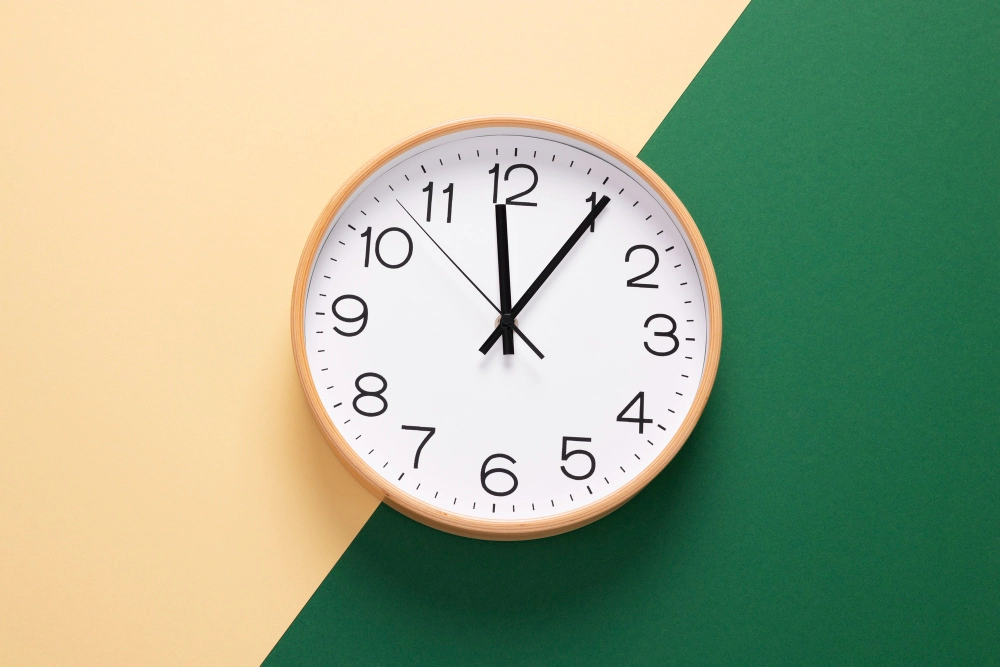
The easiest way to choose is to define the clock’s job first. A clock meant to decorate a wall has a different role from a clock meant to deliver time instantly from across the room.
Choose Analog When Visual Calm and Decorative Character Matter Most
Choose analog when the clock should blend into the decor, soften a wall, or act like functional art. SANGNI’s SZZ0130 Modern Minimalist Decorative Wall Clock supports this role with a modern minimalist decorative design, silent quartz non-ticking movement, clear numbers, and home-office versatility.
Choose Digital When Fast Reading and Extra Information Matter More
Choose digital when time needs to register instantly. Kitchens, entry areas, compact desks, and task zones can benefit from direct numerals. Keep extra information limited to what the room truly needs, because the best digital minimalist clock is edited, not feature-heavy.
Choose by the Room’s Real Needs Rather Than Following a Clock Trend
Use a simple rule: blend into decor means analog; instant reading means digital; ticking sensitivity means silent analog or digital; bedroom light sensitivity means non-illuminated analog or dimmable digital. Both styles can work in 2026 when the room’s real needs lead the choice.
FAQ
Q: Is an analog or digital Minimalist Clock better for home decor?
A: Analog is often better when the clock should act as soft wall decor. Digital is better when instant readability or a modern tech-led accent matters more.
Q: Is a digital Minimalist Clock easier to read than an analog one?
A: Usually, yes. Digital numerals are faster at a glance. Analog can still read clearly when hands, markers, and dial contrast are strong.
Q: Which Minimalist Clock is better for a bedroom, analog or digital?
A: Choose by sensitivity. For ticking, choose silent analog or digital. For display light, choose non-illuminated analog or dimmable digital.
Q: Can a digital Minimalist Clock still suit a warm minimalist interior?
A: Yes, if the display is restrained, softly lit, and limited to useful information. Avoid harsh brightness and crowded icons.
Q: What features should I look for in a Minimalist Clock for everyday use?
A: Look for easy readability, low visual clutter, suitable noise level, appropriate brightness, simple setup, and a display style that fits the room.