
Searching for the best non toxic coffee table starts with a materials trail. Can the seller name the top, edges, coating, hardware, and packing materials? Can those details be matched to the room, the people using it, and the cleaning it will receive?
What “Non-Toxic” Should Mean for a Coffee Table
“Non-toxic” is a search phrase, not a full specification. A table is an assembly. Edge banding, paint or laminate, adhesive, fittings, pads, and packaging can all affect what arrives in the room, so the description should reach beyond the photographed top.
Separate Material Risk from Marketing Language
Read the material words literally. Solid wood, box wood, glass, carbon steel, MDF, laminate, veneer, water-based coating, and powder coating are not interchangeable. Ask where each one is used: top, underside, legs, or edge. “Wood table” alone leaves too much unsaid.
Ask which materials and finishes are present, then ask what document supports the description. The test should fit the finished table and the destination market. If the substrate or finish has no name, request clarification before treating the marketing claim as meaningful.
Check the Finish and Adhesives
Odor could be coming from the surface finish, the glue, the packaging or all three. Find out what kind of sealing process is used on the surface, if the surface is cured before being packaged and how long the manufacturer expects the table to air out.
If children, pets, asthma, or chemical sensitivity are part of the household, unpack in a ventilated area. Keep packaging out of the main living space, and do not sand an engineered surface until its layers are known. Clear disclosure beats a broad “eco” adjective.
Materials to Compare Before You Buy
Material selection is significant when it comes to purchasing furniture as various materials have a bearing on how durable the item will be, how easy it is to maintain, its appearance, and value in the long run. Buyers need to consider things like the performance of the surfaces, stability, weight, moisture resistance, and appropriateness for use in different areas.
SANGNI assists buyers to identify furniture that will meet their needs depending on what they want. We supply a diverse range of home goods including coffee tables, side tables, accent chairs, dining sets, ceramic stools, shelves, and outdoor furniture among others. Having over 500 suppliers and extensive experience in home-goods sourcing, SANGNI helps the buyers to compare various materials and confirm the product specifications.
Solid Wood and Box Wood
Solid wood gives a clear starting point, but the surface treatment still decides how it lives. Find out whether the wood is unfinished, stained, painted, oiled, or lacquered. Match that finish to drinks, food, wiping, and household cleaners.
Box wood is a distinct product material, not a synonym for solid hardwood. SANGNI’s SNCTABLE0003 Modern Box Wood Coffee Table is described as a compact modern table made from box wood, with dimensions of 400 x 295 x 560 mm. It is packed as one piece per carton, and customization can be requested for bulk orders. The compact format may work beside a chair or in a tight seating area. Request finish and emissions information for the exact production batch.
Glass and Metal
Glass and metal can feel light and are usually easy to wipe. Check whether the glass is tempered, how its edges are protected, and whether the metal is painted, plated, or powder-coated. In a humid room, ask about corrosion.
SANGNI’s SNCTABLE0002 Modern Glass Coffee Table with Black Metal Base uses a glass top and metal base and is listed at 55 x 55 x 50 cm. This model uses glass and metal and is suitable for living rooms, hotels, villas, offices, and apartments. The visible materials are easy to name, but the base coating and any assembly pads or adhesive still need checking.
Engineered Wood and Surface Treatments
Engineered wood is not automatically a poor choice. It can provide stable dimensions, but the core, surface, edge sealing, and adhesive system should be named. Ask whether it is MDF, particleboard, plywood, or another composite, and request documentation for the finished piece.
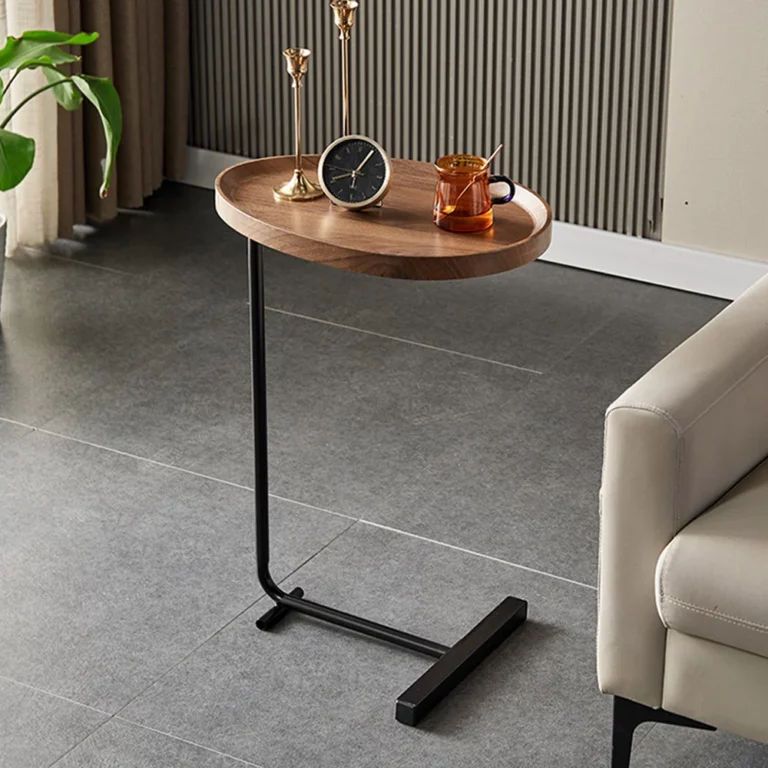
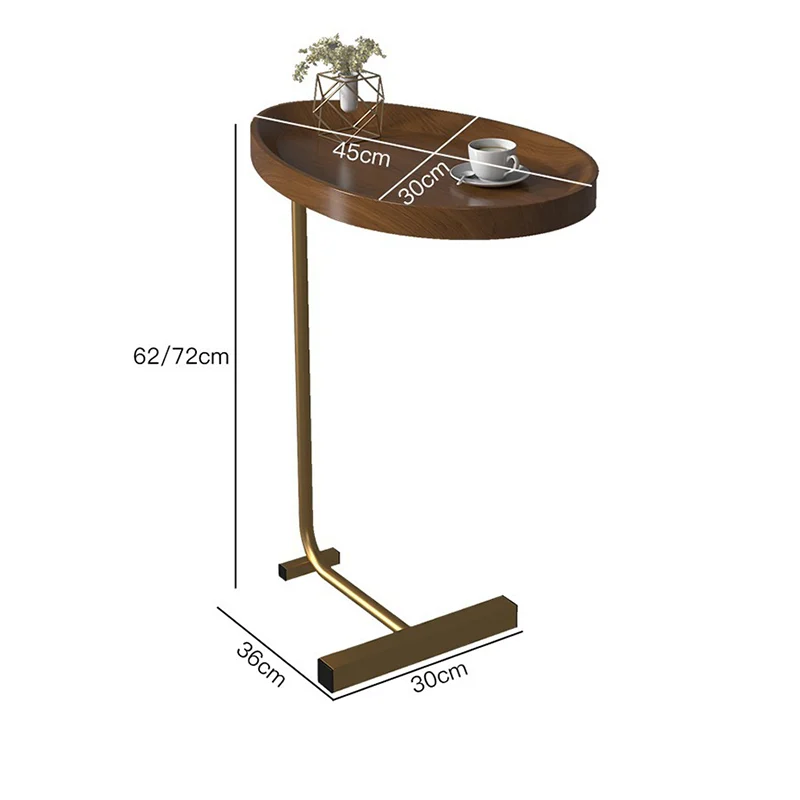
SNCTABLE0001 Modern Coffee Table is described with a carbon steel frame and a patterned MDF top, with a compact 30 x 36 x 62 cm format and customizable colors. Its construction is a carbon steel frame paired with a patterned MDF top. Compare the complete build with solid wood or glass rather than reacting to the word MDF alone. SANGNI’s SNCTABLE0001 Modern Coffee Table material and size details provide a useful starting point for a product conversation.
How to Check a Product Listing
A good listing should answer six basics: material, dimensions, finish, intended use, packaging, and quality responsibility. If several are missing, ask for a specification sheet before paying a deposit.
Ask for Exact Material Details
Request a full bill of materials, or at least a component-level description. Confirm the top, edge, base, hardware, coating, and any printed or laminated layer. Find out whether the color is painted, wrapped, stained, or printed; that information affects air questions and future repair.
Our team can help buyers compare material descriptions, packaging requirements, and customization details before a bulk order is finalized. Give the destination market, room type, expected volume, and required certification or emissions standard so that the comparison has a clear frame.
For international orders, we handle the shipping process from customs clearance to final delivery, while quality control and logistics coordination remain part of the sourcing workflow.
Look for Testing and Traceability
Testing should match the finished product and the market where it will be sold. A raw-board report may not cover the table after coating, edge treatment, and assembly. Check the product name, model, manufacturer, test date, and scope. For a larger order, compare a production sample with the approved specification.
Packaging and after-sales information belong in the same review. A supplier who can explain inspection, packing, and delivery is easier to assess than a listing built around “eco” alone. The SANGNI furniture category can help buyers compare related furniture formats before requesting a detailed quotation.
Size, Stability, and Daily Use Still Matter
A safer material choice still has to work in the room. Stability, edge treatment, clearance, and maintenance are part of the decision.
Match Proportions to the Room
Measure the sofa, walkway, rug, and door swing. Leave a comfortable route around the corners. Compare the table height with the seat and picture where cups, books, remotes, and toys will land.
Check Edges, Base, and Maintenance
Inspect the edge radius, joints, feet, and underside. Glass needs protected edges and stable support. Metal needs a finish that will not flake. Wood and engineered wood need a care routine the household will actually follow. Mild soap and a soft cloth are often enough.
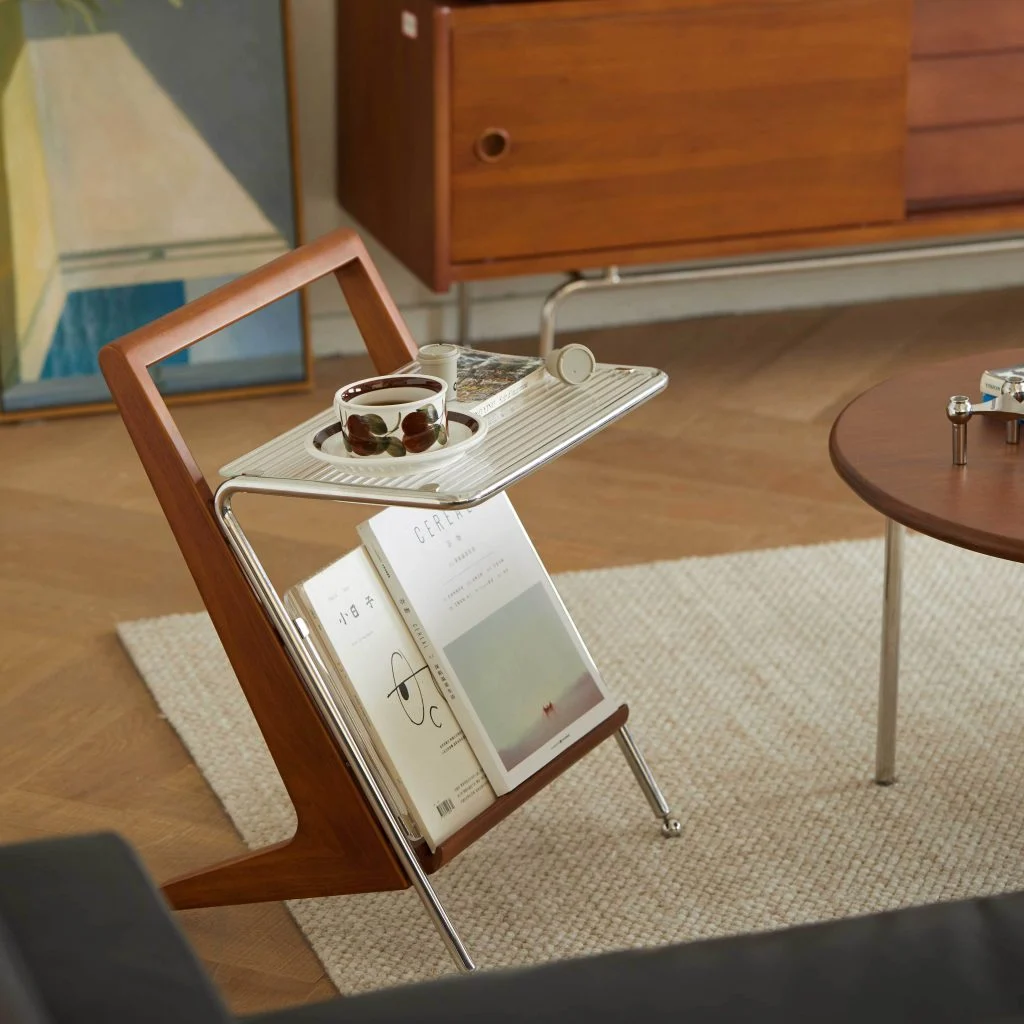
The best non toxic coffee table has a construction that can be explained, testing that fits the market, an indoor-suitable finish, and dimensions that work in the room. Use the label as a prompt for questions, not as proof.
FAQ
Q: What makes the best non toxic coffee table?
A: Look for named materials, a documented finish and adhesive system, testing suited to the market, and construction that works safely in the intended room.
Q: Is solid wood always the safest coffee table material?
A: No. Solid wood may still have stain, lacquer, oil, or adhesive. Review the finish, curing information, care instructions, and available testing.
Q: Are glass and metal coffee tables non toxic?
A: They can be straightforward, but coatings, edge treatments, pads, and assembly adhesives still need to be identified. Check the whole table.
Q: Is MDF suitable for a low-toxin coffee table?
A: It may be suitable when the finished product has appropriate emissions documentation and sealed surfaces and edges. Ask for the board grade and test scope.
Q: How should a new coffee table be aired out?
A: Unpack it in a well-ventilated area and follow the supplier’s instructions. If a strong odor persists, keep it out of a small occupied room and contact the seller.