
A bathroom mat gets judged after a few mornings. If it stays wet, curls at the edge, or slides on tile, nobody cares how good it looked in the photo. In 2026, buyers are looking at the less glamorous parts: how it dries, grips, cleans, and behaves after use.
Which Bathroom Mat Materials Are Worth Considering in 2026?
Cotton, Microfiber, Chenille, and Memory Foam Bathroom Mats
Cotton is the easy starting point. It feels familiar, absorbs water, and usually goes into the wash easily. The weakness is moisture. In a small bathroom, a thick cotton mat can stay damp for hours.
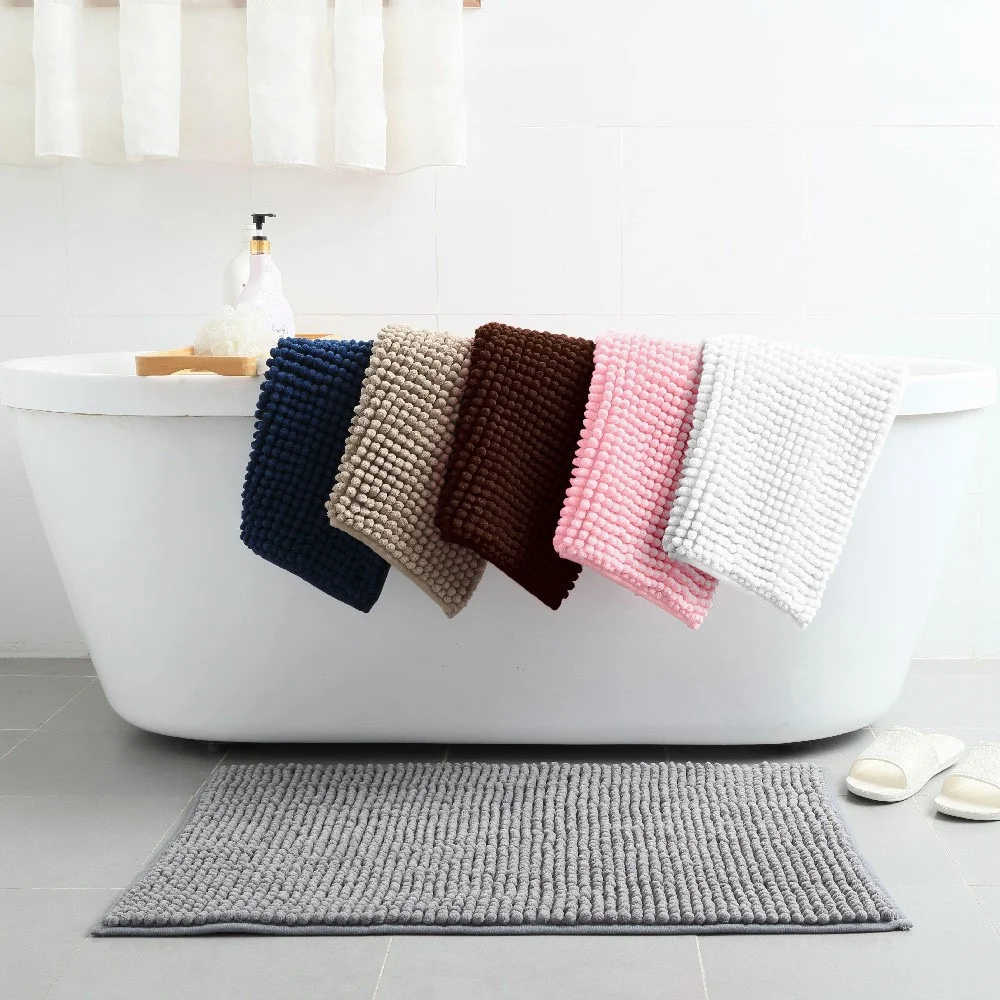
Microfiber is lighter and often dries sooner. Chenille gives the soft, raised texture people like beside a tub. Memory foam works well near a vanity, but the cover and backing still need to handle moisture. A comfortable mat can still be poor if it never dries.
Diatomaceous Earth, Bamboo, and Other Quick-Drying Bathroom Mat Options
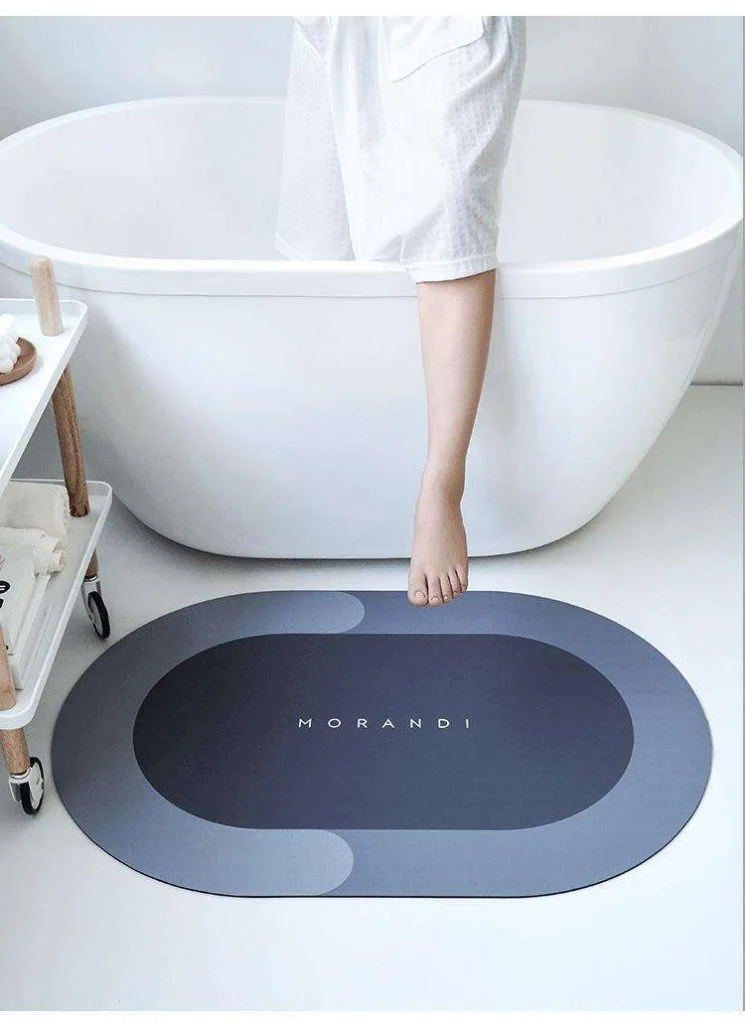
Hard quick-drying mats are not for everyone, but they make sense in busy bathrooms. Diatomaceous earth and diatom mud surfaces feel firm, yet take in surface water quickly. For some users, that dry feel is worth giving up plushness.
SANGNI’s SNBathroommats001 Diatom Mud Bathroom Mat is presented with a rubber base and a 40 by 60 cm size. Its product information also covers grip, moisture absorption, bathroom safety, and everyday comfort.
Bamboo and wood-look mats bring a warmer look, but they need a closer check. Do the edges sit flat? Does the underside meet the floor evenly? Can water sit between the slats? Those details decide whether the material is practical in a wet area.
How to Match Bathroom Mat Materials to Humidity, Comfort, and Daily Use
Start with the room, not the catalog. Heavy pile is a hard match for weak airflow. A family bathroom needs something washable. A guest bathroom can give more room to texture because the mat may have longer to dry.
Comfort is personal. One buyer wants softness after a shower. Another wants a firm surface that feels dry.
What Makes a Bathroom Mat Safe for Everyday Use?
Why Non-Slip Backing Matters on Wet Bathroom Floors
Smooth tile plus water does not leave much margin for a weak backing. Rubber, TPR, and textured undersides can help, but they still need clean contact with the actual floor.
Edges are worth watching. If a mat curls, bunches, or shifts when someone steps from the side, the non-slip wording is doing more work than the product. Sticky residue is another warning sign, especially in rental or shared bathrooms.
How Size, Edge Design, and Floor Type Affect Bathroom Mat Stability
Bigger is not always safer. A mat can catch under a door, press against a toilet base, or bunch near a vanity. Too small, and it may move when someone steps off center. Measure the floor area and door swing.
Low edges are easier in tight rooms. Smooth ceramic tile often needs stronger grip, while uneven stone needs broader contact. Vinyl floors deserve a quick compatibility check because some backing materials can leave marks.
What Happens to Bathroom Mat Grip After Repeated Washing and Use?
The first-day test is the easy one. Heat, detergent, bending, and daily use are harder on the backing. Textile mats may curl. Foam can separate. Dust under a hard mat can reduce contact even when the top still looks fine.
For repeat orders, put a sample through normal cleaning cycles before deciding. A fresh mat on a dry floor tells only part of the story.
How Do Absorbency, Drying Speed, and Comfort Compare?
Absorbent vs Quick-Drying Bathroom Mats: What Is the Difference?
Absorbency and quick drying are often treated as the same benefit, but they are not. Thick cotton can take in plenty of water and still dry slowly. A diatomaceous surface can feel dry quickly while staying firm underfoot. Microfiber usually sits somewhere between them.
The useful question is what the mat feels like before the next shower.
Which Bathroom Mat Materials Feel Softer Underfoot?
Cotton, chenille, microfiber, and memory foam are the softer choices. Chenille feels cushioned. Memory foam gives more support at a vanity.
Hard quick-drying mats feel cooler and more direct. Some people like that clean feel; others miss fabric. In our sourcing work, SANGNI considers comfort with safety, material information, and daily care.
How Moisture Retention Can Affect Odor and Everyday Hygiene
A mat can look clean and still smell damp. Moisture may stay in the pile or collect between the backing and floor, especially if the mat is never lifted to air.
Care needs to fit the household. A mat that needs careful drying after every use may be wrong for a shared bathroom, even if it feels good on day one.
What Bathroom Mat Trends Are Shaping Buyer Choices in 2026?
Growing Interest in Quick-Drying and Low-Maintenance Bathroom Mats
Buyers are asking ordinary questions earlier: will it dry before the next shower, can it be cleaned quickly, and will it smell after a week?
That is why lighter textiles and hard quick-drying surfaces are getting attention. Plush mats still have a place, but lingering dampness is harder to accept.
Natural-Look and Minimalist Bathroom Mat Materials
Stone effects, woven textures, bamboo looks, and muted colors are easier to live with than loud prints. SANGNI’s DDH0001 Natural Straw Rattan Woven Floor Mat shows how a natural-look mat can warm an interior.
It is intended for indoor decor. A woven appearance by itself does not make a product suitable beside a shower.
Neutral Colors, Textured Surfaces, and Easy-to-Match Bathroom Styles
Gray, cream, beige, stone, and soft brown work with many bathroom finishes. They also give retailers more freedom across collections.
Texture then does the quiet work. Ribbed, pebbled, woven, or tufted surfaces can make a simple mat feel less plain without turning it into the main feature of the room.
Greater Attention to Material Transparency and Practical Safety Features
Vague labels are not very helpful. Buyers want the material, size, backing, cleaning method, and floor guidance in plain language. Practical safety details only help when they are easy to find.
The same idea applies beyond bathrooms. SANGNI’s SNPLACEMAT0001 PVC Placemats page states washable and non-slip qualities directly.
What Should Buyers Check Before Choosing a Bathroom Mat?
Check Material, Absorbency, Drying Time, and Cleaning Requirements
Think about the exact spot. A mat outside a family shower has a different life from one beside a guest-room vanity. How often will it get wet, and where will it dry?
A soft mat that stays damp becomes a chore. A fast-drying mat that feels too hard may simply be avoided.
Compare Non-Slip Performance, Size, and Floor Compatibility
Check the underside and edges on the floor where the mat will actually sit. A slightly wet test is more useful than a dry hallway test. Measure around doors and fixtures so the mat can lie flat.
For bathrooms used by children, older people, or guests, stability usually matters more than extra thickness.
Consider Durability, Color Stability, and Long-Term Maintenance
Wear arrives slowly. Fibers shed, foam flattens, pale surfaces stain, and colors can change after repeated cleaning. A sample used for several weeks says more than new packaging.
Retailers, brands, and bulk buyers should confirm specifications, sample performance, packaging strength, and batch consistency before increasing order volume. SANGNI can help coordinate supplier discussions, samples, product requirements, and quality-control questions. Buyers still need their own testing.
FAQ
Q: What is the best Bathroom Mat material for everyday use?
A: Cotton and microfiber are sensible starting points because they are familiar and washable. Chenille and memory foam suit softer preferences. Choose diatomaceous earth when drying speed matters more.
Q: Which Bathroom Mat dries the fastest after a shower?
A: Diatomaceous earth mats generally feel dry fastest because their porous surface takes in water quickly. Light microfiber can also dry well with good airflow.
Q: How can I tell if a Bathroom Mat is truly non-slip?
A: Test it on the actual floor when slightly wet. It should lie flat, stay in place, and keep its grip after cleaning.