

Kitchen walls face steam, splashes, grease, and temperature shifts every day. PVC wall panels can help make this area simpler to maintain. They can also reduce disruption during renovation. Yet the panel specification and installation zone must match the needs. Place an easy-clean surface on suitable wall areas. Treat the space directly behind a gas burner as a separate high-heat zone.
Why Are PVC Wall Panels Trending in Modern Kitchen Design?
The Ultimate Waterproof and Moisture-Resistant Solution
Daily steam reaches the walls often. Sink water and dishwashing splashes add to the issue. These elements can harm absorbent paint. They can also damage wallpaper or joints that are sealed poorly. Many PVC wall panels feature a smooth, non-porous surface. This surface does not absorb water the way porous materials do. This feature makes them practical waterproof kitchen panels. It also makes them effective moisture-resistant wall cladding around sinks, worktops, and other splash-prone areas.
The term “Waterproof” still needs a clear meaning. Seal all penetrations with a compatible product. Keep the substrate sound. Follow the maker’s wet-area instructions.
For material buyers, SANGNI’s building-supply range includes PVC, WPC, and MDF wall panels.
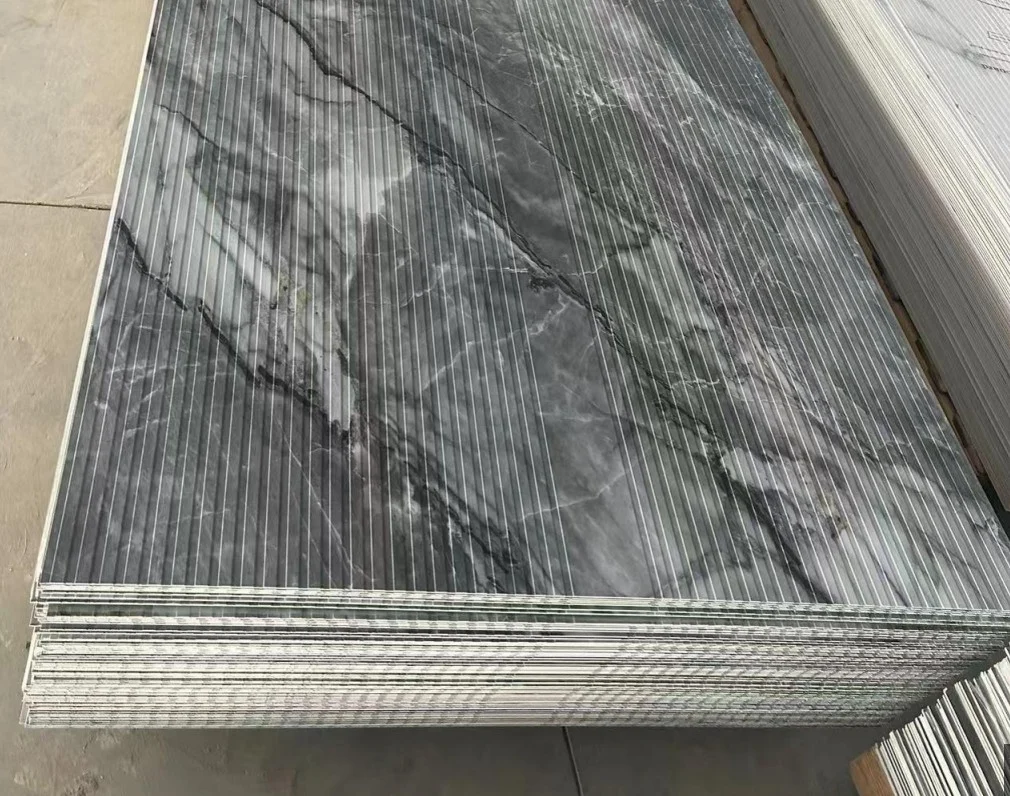
A Budget-Friendly Alternative to Traditional Ceramic Tiles
PVC panels can cut down on disruption and labor in a cost-effective renovation. Ceramic tiles normally need adhesive or mortar. They require accurate setting, grout work, curing time, and sometimes demolition. A lightweight wall covering can often be cut with basic tools. It can be fixed over a prepared wall. This method reduces waste and shortens the schedule.
The final price depends on thickness, finish, trims, adhesive, repairs, cutouts, and labor. Compare the complete installed cost when the old tile can remain.
How Heat-Resistant Are Kitchen PVC Wall Panels?
Understanding the Safe Temperature Range for Polyvinyl Chloride
Polyvinyl chloride can handle normal kitchen humidity. It manages warm air as well. It also supports short periods of cooking heat when installed correctly. Some guides use around 60°C (140°F) as a reference point. This value is not the same for every product. Check the exact product’s data and clearances.
PVC is not a substitute for a fire-rated barrier. It should not touch an open flame, burner, hot pan, or unprotected area that may exceed the service temperature. “Fire-retardant” and “non-combustible” are different claims. Request test information rather than relying on a label.
Pro Tips for Installing PVC Near Stoves and Ovens
Use a zoning plan. First, mark the area behind gas burners and any point where flame, radiant heat, or hot cookware may reach. Next, install a stainless-steel or tempered-glass kitchen backsplash heat shield in that highest-heat zone. This step must follow appliance clearances and local code. Then use PVC in remaining suitable areas. Maintain the distances and ventilation required by panel and appliance manufacturers. Protect cut edges around sockets, pipes, and corners with compatible trims or sealant. Finally, test the assembly with a sample before ordering.
One related PVC building material is SNSkirting Board-007 Self-Adhesive PVC Skirting Board Roll. It is a skirting-board product, not a stove backsplash. Every PVC item must be checked for intended application and project-specific performance.
The Easy-Clean Magic: Maintaining Your Kitchen Walls
Wiping Away Grease and Food Splatters Effortlessly
Smooth PVC faces are useful. Grease and food residue are less likely to embed in the surface. For daily cleaning, remove crumbs first. Wipe with a soft, damp cloth. Then dry around joints and trims.
For stubborn, cooked-on grease, allow a damp cloth to gently soften the residue before wiping. Always avoid abrasive pads and harsh chemical solvents to preserve the surface finish.
Say Goodbye to Dirty Grout Lines and Mold Growth
Grout-free wall panels have fewer narrow joints. These joints can collect residue and make cleaning easier than heavily grouted tile. However, no wall covering compensates for leaks, trapped moisture, or poor ventilation.
Inspect the bottom edge, corners, sink connection, and cutouts every few months. Re-seal failing joints before water reaches the substrate. Run the exhaust fan and wipe standing water instead of leaving it behind trims. These measures help prevent mold growth without claiming the panel is mold-proof.
Choosing the Right Style for Your Cooking Space
Elevating Aesthetics with Marble and Wood Grain Finishes
Modern digital printing gives PVC wall coverings a wide visual range. A marble finish PVC panel can create a bright backsplash effect. Wood grain wall decor adds warmth at the same time. White, concrete, terrazzo, and stone-inspired patterns suit quieter backgrounds.
Choose the finish according to cleaning needs. Glossy patterns reflect light but may show fingerprints. View a sample beside the countertop in daylight.
Seamless Integration with Existing Kitchen Cabinets
Coordinate the panel with cabinets, worktops, flooring, and appliances. Light panels complement dark cabinets. Warm wood-effect cabinetry works with soft stone or understated wood grain. Flat cabinets may suit restrained marble or concrete. Limit competing patterns.
A Quick Guide to Hassle-Free Installation
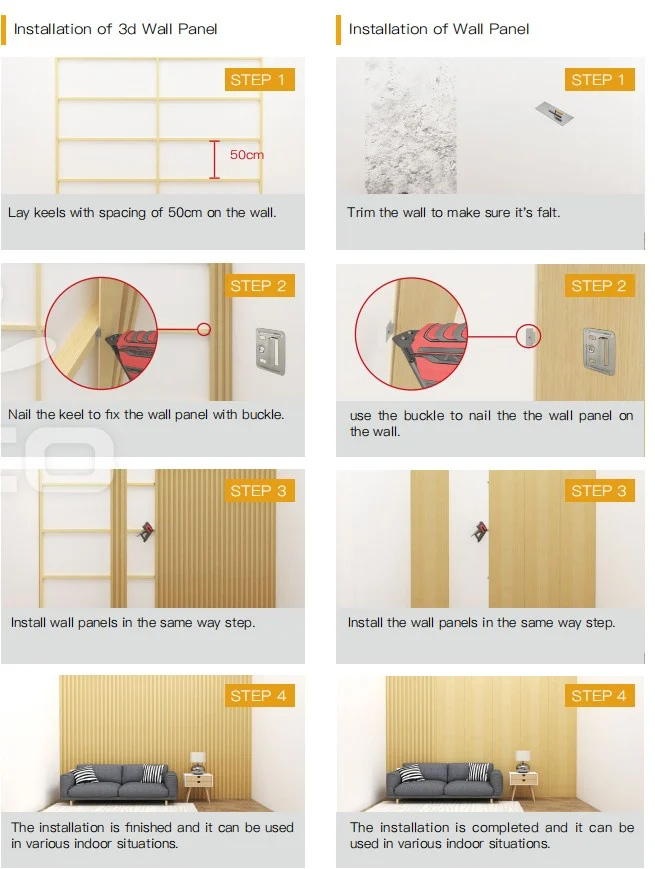
Direct Mounting Over Drywall or Existing Tiles
PVC panels can sometimes be mounted over drywall or existing ceramic tiles. The surface must be dry, stable, clean, and reasonably flat. Remove loose grout first. Repair hollow tiles and degrease the wall. Let it dry completely. A badly uneven substrate may need battens or leveling. Adhesive should not correct major movement.
Measure twice and plan cutouts. Leave the movement gap required by the instructions. Use compatible adhesive on a sound surface. Install battens when the wall needs leveling.
This PVC wall panel installation guide can help buyers compare adhesive, fastener, and batten approaches. Request samples and confirm installation details, trims, and quality checks.
For material buyers, SANGNI’s building-supply range includes PVC, WPC, and MDF wall panels. It also includes skirting boards, crown moldings, and other finishing materials. This is a category statement. It does not establish one universal performance profile for every material or project. At SANGNI, we can support supplier discovery. We evaluate supplier capabilities, certifications, and alignment with required standards. We can coordinate samples or prototypes before full-scale production. These capabilities do not mean SANGNI directly manufactures every material or product.
For a larger order, use our documented approval sequence. First, compare supplier capabilities, certifications, and alignment with required standards. Next, coordinate samples or prototypes before full-scale production. Record the approved finish, thickness, dimensions, trims, adhesive compatibility, and intended heat-zone use. Project requirements should still be confirmed before an order is placed.
Our coordination scope can include pre-production verification. It covers in-process checks and final product evaluation. It also includes packaging review, loading oversight, warehousing, and international logistics. Use those checkpoints to compare production against the approved sample. Inspect packaging before dispatch. Confirm the planned storage and delivery route. This process does not support zero-defect, universal-compliance, or guaranteed-delivery claims. It gives buyers control points when delivered panels differ from the sample.
Achieving a Flawless Finish with the Interlocking System
Tongue-and-groove PVC panels use a projecting tongue and receiving groove. When aligned, the interlocking system correctly hides much of the fixing detail. It creates a neat continuous surface. It can reduce exposed joints. However, it does not automatically make every connection waterproof.
Start from a level reference line. Keep the first panel plumb. Check every connection before fixing the next piece. Do not force a distorted panel into place. Use corner profiles, end trims, and approved sealants where required.
FAQ
Q: What is the best way to clean tough grease stains off a PVC wall panel?
A: Wipe the spill promptly with a soft, damp cloth and mild dish soap. For tougher grease, let the damp cloth soften the residue briefly. Then wipe without rubbing aggressively. Avoid abrasive pads and strong solvents unless the manufacturer specifically approves them.
Q: Can I install kitchen PVC wall panels directly over old ceramic tiles?
A: Often yes, if the old tiles are firmly bonded, clean, dry, and sufficiently flat. Repair loose areas and remove grease. Plan for trim and cutouts. Use the adhesive or batten method specified for the selected panel. Do not cover a damp or moving substrate.
Q: Do PVC wall panels warp or melt when exposed to daily cooking steam?
A: Properly selected panels generally tolerate normal steam better than absorbent wall finishes. Daily steam does not make every PVC panel heat-proof. Keep the room ventilated. Prevent water from entering joints. Maintain clearance from hot appliances. Confirm the product’s temperature guidance before installation.
Q: How long does a typical PVC wall panel last in a busy cooking environment?
A: The lifespan depends on the composition of the panel, its coating, the adhesive used, the substrate, the ventilation, and how often it is cleaned. A well-installed panel in the right indoor setting will last a long time. The indoor lifespan of the panel would depend upon the specific details of the product.


