
Glass mugs imported from China are drawing more attention because drinkware has moved beyond basic utility. Retailers, ecommerce sellers, and private label teams need products that look good, feel reliable, and can be updated quickly. The appeal is not only price; it is the ability to plan design, packaging, quality checks, and repeatable supply together.
Why Are More Western Brands Looking for Glass Mugs Imported from China?
Changing Consumer Demand Is Driving New Drinkware Sourcing Strategies
Coffee culture, tea routines, home office habits, and giftable kitchen goods have made mugs part of the lifestyle category. Glass can show color, texture, layered drinks, or minimalist table settings in a way that opaque materials cannot.
This changes sourcing strategy. A brand may need a daily mug, a holiday gift set, and a lighter ecommerce pack. Those programs have different capacity, packaging, and quality-control needs.
Global Brands Need More Flexible Product Development Options
Western brands are moving away from one-size-fits-all drinkware. Color, handle shape, capacity, glass thickness, printing, lid pairings, and packaging all affect the offer. Private label teams may need series across mugs, tea cups, tumblers, and gift boxes.
This is why buyers compare Chinese sourcing options. A mature supply base can make it easier to test directions and confirm samples before mass production. SANGNI is positioned as a China home products sourcing partner rather than a company that must directly manufacture every item in a glass mug program.
What Makes China a Preferred Supplier for Glass Mugs?
Mature Glassware Manufacturing Networks Support Global Demand
China’s home goods supply chain gives overseas buyers access to factories, packaging vendors, inspection resources, export service providers, and logistics channels in one environment. For glass mugs imported from China, the product is simple only on the surface. Buyers still need clarity on material, finish, handle strength, rim quality, decoration method, carton protection, and delivery timing.
SANGNI supports supplier discovery, supplier capability evaluation, certification alignment, samples, and prototypes before full-scale production. This coordination helps buyers avoid choosing a supplier only because the first quotation looks attractive.
Wide Product Selection Helps Brands Build Unique Collections
Glass mugs can serve many use cases: everyday water cups, coffee mugs, double-wall cups, tea glasses, latte cups, gift sets, office drinkware, and kitchen display pieces. A broader selection lets brands build a collection instead of relying on one hero SKU.
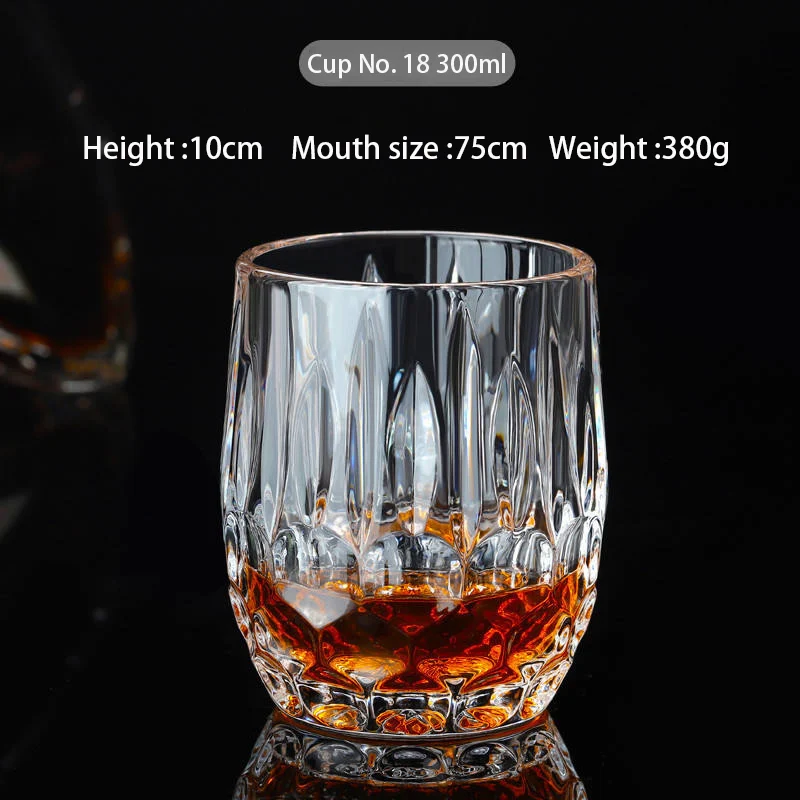
SANGNI’s SNDRINKWARE0002 Elegant Clear Glass Cups for Beverage & Water shows how one drinkware item can serve beverage, home, commercial, and B2B assortment needs. The practical value is assortment planning before the order is finalized.
OEM and Customization Capabilities Create More Branding Opportunities
Customization is a major reason Western brands evaluate glass mugs imported from China. The visible product may be a mug, but the commercial value often comes from logo placement, color direction, gift packaging, bundled sets, barcode labels, marketplace-ready cartons, and photography-friendly presentation.
The SNDRINKWARE0002 page lists OEM/ODM services, logo printing, tailored packaging designs, and capacity requirement discussion for glass cups. For private label programs, buyers should define which details are truly customized and which are adapted from existing options because that affects cost, sample time, order quantity, and packaging lead time.
What Should Buyers Consider Before Importing Glass Mugs from China?
Supplier Verification Is Essential for Consistent Product Quality
Supplier verification should cover experience, production capacity, quality systems, certificates relevant to the destination market, and sample confirmation before a larger order. Price matters, but a low quote cannot replace evidence that a supplier can hold shape, size, clarity, decoration, packaging, and delivery requirements.
Sample review should be structured. Buyers should check weight, rim finish, handle comfort, printing durability, color consistency, carton drop protection, and channel fit. If the mug is part of a private label range, the sample should also include packaging and labeling.
Quality Control Helps Reduce Risks in International Glassware Orders
Glassware carries production and shipping risks. Scratches, bubbles, uneven rims, weak handles, decoration defects, thermal-use misunderstandings, and breakage can damage customer reviews and retail relationships. Reusable glass mugs should be evaluated for repeated washing, heat exposure, stains, surface wear, and breakage risk under the intended use scenario.
SANGNI’s service scope includes pre-production verification, in-process checks, final product evaluation, packaging review, loading oversight, third-party laboratory testing coordination, packaging design, warehousing, and international logistics. Multi-stage quality control can reduce avoidable risks, but it should not be treated as a zero-defect or universal-compliance guarantee.
For buyers needing a clearer inspection plan, SANGNI’s quality control and assurance service context is relevant to raw material review, production checks, final product evaluation, and compliance support.
Packaging and Logistics Planning Matter for Fragile Products
Fragile products need packaging decisions early. Inner dividers, paper protection, carton thickness, master carton weight, palletization, container loading, and warehouse handling all influence breakage risk.
For fragile glassware orders, buyers should review packaging design, carton strength, inner protection, warehouse handling, loading oversight, and international logistics coordination before shipment. Ecommerce sellers should test parcel protection, while retailers need packaging that balances protection with shelf appearance.
How Can Brands Build a Reliable Supply Chain for Glass Mugs Imported from China?
Working with a Sourcing Partner Simplifies Supplier Management
Overseas buyers often face language barriers, supplier screening pressure, quality-control coordination, packaging questions, and shipment timing issues together. A sourcing partner can help compare suppliers, clarify specifications, follow samples, and coordinate checks.
At SANGNI, we connect product sourcing, product design and development, quality control and assurance, warehousing, shipping, and after-sale support in one sourcing workflow. SANGNI can help overseas brands coordinate supplier networks, procurement management, quality control, and logistics for home goods sourcing. Buyers can use SANGNI’s product sourcing services when they need a structured path from supplier search to sample review and order follow-up.
Long-Term Supplier Relationships Improve Procurement Stability
A single order might fix a gap in your stock. Yet long-term sourcing needs steady talks and clear expectations that remain consistent. When a supplier learns your packaging style, defect tolerance, and sales channels, the next order becomes much easier to handle.
Long-term relationships also help with product updates. A brand can add new sizes, seasonal packaging, matching accessories, or a new finish. They do this while keeping the main quality requirements the same. This approach works well for glass mugs imported from China. There, even small design changes can influence cost, lead time, and packaging performance.
Why Are Glass Mugs Becoming an Important Category for Home Goods Brands?
Glass Mugs Fit Modern Kitchen and Lifestyle Trends
Glass mugs fit many trends at the same time. People use them for coffee, tea, cold drinks, home entertaining, office desks, gifts, and kitchen styles that look good on social media. Clear glass lets consumers see the drink inside. This feature supports layered drinks, herbal teas, and modern cafe-style presentation.
Safety for daily use relies on evidence from the specific product. It also depends on supplier documents, the intended purpose, and careful quality checks. These elements matter more than the country of origin by itself. Buyers in the U.S. or EU need to verify food-contact evidence for their target market. They should also review all supporting documents.
Combining Function and Design Helps Brands Stand Out
The best glass mug lines bring together function and design. A mug needs to feel comfortable in the hand. It must clean easily. The mug has to last through regular use. And it should reach customers without damage. In addition, it needs to match the brand’s overall look. This look could be minimalist, full of color, high-end, rustic, or focused on gifts.
Instructions for customers should clearly state the material used. They need to list limits on appliances. The instructions must give guidance on reuse. They should explain the right way to care for the item or dispose of it. Setting these details before production starts helps the supplier understand the exact goal. It also provides end users with better information.
FAQ
Q: Why are glass mugs imported from China popular among Western brands?
A: They are popular because buyers can access broad product selection, flexible development options, packaging support, and supplier networks that can serve retail, wholesale, and ecommerce programs.
Q: Are glass mugs imported from China safe for everyday use?
A: They can be suitable for everyday use when buyers choose suppliers with relevant documentation, confirm intended-use requirements, review samples, and apply quality checks before shipment.
Q: How can businesses find reliable suppliers for glass mugs imported from China?
A: Businesses should evaluate supplier experience, production capacity, quality systems, sample performance, communication quality, and service support instead of comparing price alone.
Q: What should brands check before ordering glass mugs imported from China?
A: Brands should check product specifications, glass finish, handle strength, decoration method, packaging plan, quality standard, delivery capability, and destination-market documentation.
Q: Can glass mugs imported from China be customized for private label brands?
A: Yes. Many programs can include logo placement, packaging design, product sets, color direction, labeling, and other brand-specific details, but each customization should be confirmed through samples and written specifications.