
What Is Driving the Contemporary Shelf Clocks Market in 2026?
Shift from functional timekeeping to decorative home objects
In an era where digital devices provide instant timekeeping, the traditional clock has faced an identity crisis. However, the contemporary shelf clocks market is experiencing robust growth by pivoting from pure utility to “functional decor.” Procurement managers and interior retailers are noticing that consumers now view timepieces as essential aesthetic anchors. This shift is heavily influenced by the “quiet luxury” movement, where understated, high-quality objects define the ambiance of a room.
Growing demand for compact and shelf-based home decor pieces
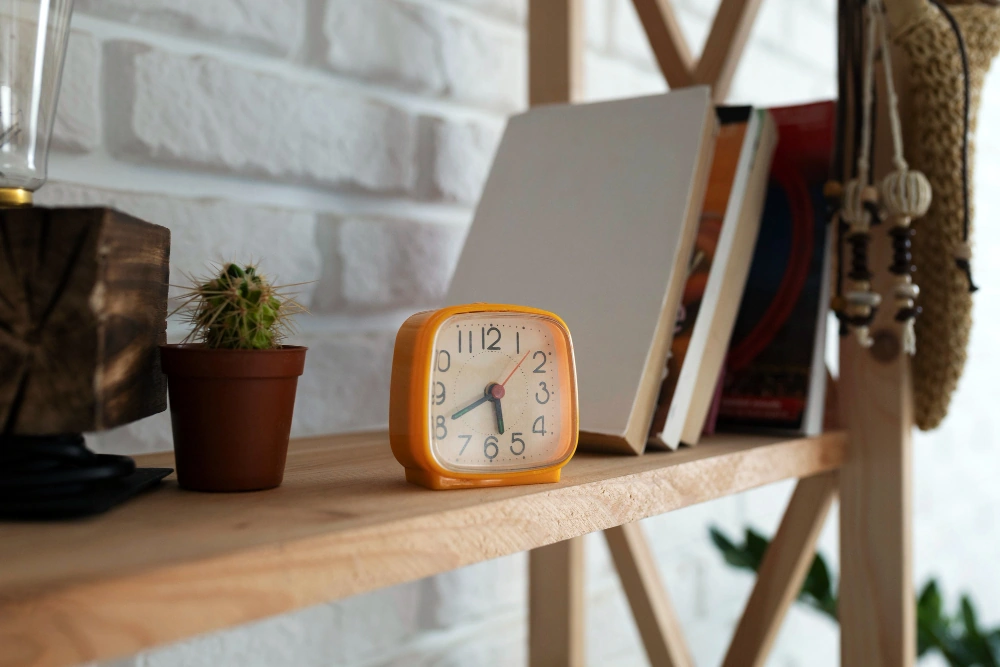
More people live in cities and in smaller homes. These conditions have changed the way consumers make purchases. Heavy floor-standing furniture is being replaced by modular shelving units and floating ledges. As a result, the demand for compact and carefully chosen objects has increased quickly. The continuing practice of careful shelf styling means consumers look for eye-catching pieces. These pieces can sit comfortably with books, ceramics, and indoor plants.
What Are the Key Contemporary Shelf Clocks Market Trends in 2026?
Minimalist and sculptural clock designs dominate modern interiors
The main design direction for 2026 uses clean shapes and geometric forms. Modern minimalist shelf clocks remove extra details. They often take away numbers completely. This approach focuses on the basic shape of the hands and the dial. This object-as-art idea lets the clock work as a quiet sculptural piece instead of a strong center of attention.
Natural materials and warm textures reshape design preferences
We see a clear move away from the cold high-gloss industrial materials used in the past ten years. The market now prefers wood grain, honed stone, and matte ceramic finishes. These natural textures add an organic and touchable quality to interiors. They match the wish of consumers to bring outside elements into their living spaces.
Silent movement and functional simplicity become essential features
A nice design can be spoiled quickly by a loud ticking sound. For modern consumers, a silent movement clock is no longer an extra feature. It has become a basic requirement. Homes now serve as workspaces and peaceful places at the same time. For this reason, quiet operation helps keep a calm and focused setting.
How Are Interior Design Trends Influencing Shelf Clock Demand?
Rise of “shelf styling” and curated home aesthetics
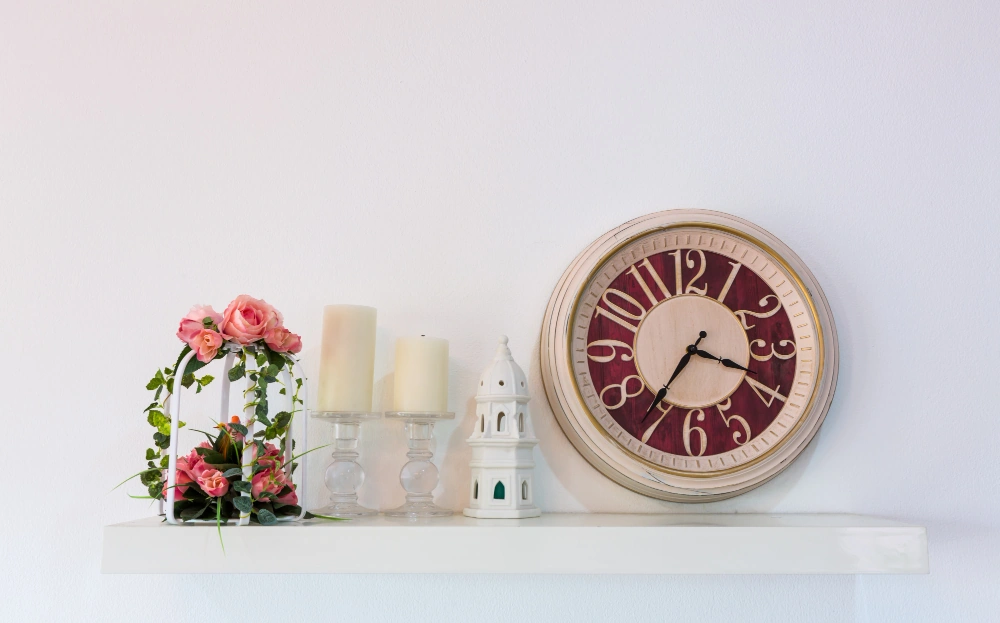
Shelves have developed from simple storage into carefully arranged visual centers. One important interior design change in 2026 is the mixing of wall and shelf decor. Interior stylists now take lightweight, larger clocks and place them against the wall on deep floating shelves or mantels. This approach creates a natural layered appearance. The clock serves to hold the whole display together.
Shift from uniform decor sets to curated, mixed objects
Consumers no longer want the showroom look of perfectly matching decor sets. They now focus on personal expression through mixed selections. Combining vintage-inspired shelf clocks with sleek contemporary items produces a space that seems gathered over time instead of bought all together.
Influence of minimalism evolving into warm minimalism
Cold and strict minimalism is changing into warm minimalism. This direction puts more value on softer, earthy colors and comforting textures. Clocks made with warm brass accents, soft matte finishes, and natural wood elements connect structured minimalism with comfortable home life.
What Are the Most Popular Contemporary Shelf Clock Design Styles in 2026?
Modern minimalist shelf clocks
These items use simple dial layouts and neutral color ranges. They fit easily into nearly any decor style. For example, we source items like our SZZ0130 Modern Minimalist Decorative Wall Clock for Home Office. It is traditionally made for wall mounting. Its 30cm frameless metal and PP design with a silent quartz movement makes it very lightweight. Modern stylists often lean this piece on living room mantels or deep bookshelf ledges. This creates a clear minimalist statement.
Vintage-inspired and retro shelf clock designs
Nostalgia continues to influence buying decisions. The 2026 version of this trend combines mid-century shapes with modern, durable materials. These pieces place more importance on decorative appeal than on exact precision. They give a warm connection to the past while using dependable modern battery-operated movements.
Artistic and sculptural statement clocks
Abstract shapes are gaining interest in the high-end market. Sculptural statement clocks serve as functional art. Another good example from our catalog is our SZZ0098 Modern Metal Wall Clock Silent Non-Ticking Decor. It has premium metal construction and a silent, non-ticking mechanism. Its strong structural design lets it move easily from wall art to a powerful shelf piece when placed with modern ceramics.
How to Choose the Right Contemporary Shelf Clock for Different Spaces?
Shelf clocks for living rooms and social spaces
In shared areas, a clock should act as a decorative center. The selected piece needs to match the style of nearby furniture and the complete shelf arrangement. High-contrast metals or rich woods perform well in these spaces because they catch the eye.
Shelf clocks for bedrooms and quiet environments
In bedrooms, the main goal is a peaceful feeling. A silent movement clock is very important here. Designs with soft ambient lighting or quiet color ranges help the piece support rest instead of interrupting it.
Shelf clocks for offices and modern workspaces
Work environments need designs that create little distraction. Clean, easily readable dials with a professional look work best. Examples include brushed steel or matte black finishes. These choices support a well-organized and focused setting.
What Should Buyers Consider in the Contemporary Shelf Clocks Market?
Material quality and long-term durability
For B2B buyers and retail procurement teams, the quality of materials decides how long the product lasts and how the brand is viewed. It is important to check the strength of wood composites, the rust resistance of metal frames, and the lasting power of surface finishes before placing large orders.
Size, proportion, and shelf compatibility
Buyers need to understand the space of the end user. They must balance the purchase of compact clocks for small apartments with the need for larger statement pieces. These larger items create visual balance in bigger shelf arrangements.
Market positioning: decorative vs functional value
The modern consumer wants a product that does both jobs well. It must show time correctly and also look like high-end decor. Finding the right balance of these popular items needs a good partner. At SANGNI, a globally trusted home goods supplier headquartered in Yiwu, China, we make this process easier. With more than ten years of experience, we do not make the products. Instead, we use our detailed market knowledge and a carefully checked network of more than 500 dependable suppliers. This gives smooth one-stop procurement solutions. We manage strict quality control, supplier discussions, and international shipping. These services help your business remain quick and competitive.
FAQ: Contemporary Shelf Clocks Market Trends 2026 Analysis
Q: What is driving the high demand for modern minimalist shelf clocks this year?
A: Consumers look for modern minimalist shelf clocks because these items fit well into quiet luxury and warm minimalism trends. They remove heavy numbers and complex cases. As a result, these clocks work as quiet functional art pieces that do not overpower small living areas.
Q: How do I choose between vintage-inspired shelf clocks and sculptural statement clocks for my retail inventory?
A: The decision depends on your target customers. Vintage-inspired shelf clocks attract buyers who want nostalgic and comfortable additions for traditional or mixed homes. On the other hand, sculptural statement clocks suit customers who focus on carefully arranged contemporary architecture and abstract interior styles.
Q: Why is a silent movement clock considered a mandatory feature for home offices and bedrooms?
A: More people now work from home. Because of this, the background noise has turned into a serious distraction. A silent movement clock uses a smooth quartz mechanism. This removes the usual ticking sound and creates a peaceful setting needed for good sleep and effective work.
Q: What materials are trending the most within the contemporary shelf clocks market?
A: In the contemporary shelf clocks market, buyers are leaving behind low-cost plastics and shiny finishes. Current trends strongly support natural and touchable materials. These include raw wood grains, matte ceramics, brushed metals, and honed stone. Such materials add a sense of physical warmth to any room.
Q: How exactly does the trend of shelf styling change the way consumers use timepieces?
A: Shelf styling treats open shelves as display areas instead of only storage. Consumers no longer place a clock alone on a plain wall. They now include clocks in layered arrangements. They often lean larger, lightweight clocks against the back of a shelf next to books and plants. This creates a unified and carefully arranged appearance.