

Are Silent Wall Clocks One of the Most Notable Home Decor Trends of 2026?
The Growing Consumer Demand for Noise-Free Environments
In 2026, the home serves as more than a basic living area. It acts as a carefully planned retreat. The world grows louder and quicker each day. So, people look for ways to cut down on extra sounds in their own spaces. This change in daily life drives a strong rise in the need for quiet home items. Silent wall clocks stand out as a key part of this sound health movement. Shoppers turn from old clocks. They see that real calm needs to get rid of steady background noises. Those sounds build hidden tension.
Why Silent Designs Dominate Modern Interiors
Modern interior design champions both visual and acoustic minimalism. Interior designers and homeowners alike are realizing that an elegant room can be quickly undermined by the persistent, mechanical ticking of a clock. Non-ticking designs seamlessly integrate into contemporary spaces by offering the functional benefit of timekeeping without the auditory distraction. By removing the tick, these clocks elevate the perceived quality and sophistication of a room, proving that true luxury in 2026 lies in uninterrupted peace. To learn more about the main styles in the market this year, check our full Top Wall Clock Trends 2026: Ultimate Sourcing Guide.

How Do Silent Wall Clocks Actually Work?
The Science Behind the Continuous Sweep Movement
The key to a silent wall clock lies in its movement. This is known as a continuous sweep movement. Old clocks handle time in one-second steps. But a sweep movement pushes the second hand in a smooth, steady flow. This is powered by an advanced microchip that sends rapid, high-frequency pulses to the motor, rather than just a single pulse per second. The gears in a silent setup have close fits and turn easily. They eliminate the abrupt start-stop motion that makes the usual click noise.
Traditional Stepping vs. Silent Mechanisms: A Quick Comparison
To grasp the worth of silent clocks, it pays to look at them next to older types. Traditional stepping setups use a motor that jumps ahead each second. This sudden stop is what makes the “tick-tack” sound. Silent setups use a steady drive motor instead. They eliminate the intermittent stop. As a result, the rub and bump between the inside gears drops a lot. This leads to a clock that runs with almost full quiet.
Why Do Consumers Prefer Silent Wall Clocks for Their Spaces?
Boosting Productivity in Home Offices and Study Rooms
With remote work and hybrid setups remaining a permanent fixture in 2026, the home office requires intense focus. A ticking clock can act as a psychological metronome, creating a false sense of urgency and breaking deep concentration. Silent wall clocks are highly preferred in study rooms and home offices because they allow professionals and students to keep track of their schedules without derailing their train of thought. Acoustic neutrality directly translates to sustained productivity.
Creating the Ultimate Peaceful Bedroom Atmosphere
Good sleep habits rank high for today’s buyers. The brain picks up steady sounds, even in light rest phases. A ticking clock can slow down sleep start or wake people up. Putting a silent wall clock in the bedroom ends this sound cue. It gives the ease of time checks at night. At the same time, it keeps the full quiet needed for healing and deep rest.
What to Look for When Sourcing Silent Wall Clocks?
Evaluating Movement Quality and Battery Lifespan
For sellers and bulk buyers, picking good silent wall clocks means checking the motor details. The second hand appears to move continuously due to high-frequency stepping (e.g., 8–32 steps per second), which eliminates audible ticks. Low-grade motors can use up batteries quickly or make a soft grinding sound later. It pays to get clocks with top quartz sweep motors. They mix easy moves with power save. This way, users get a lasting, quiet setup.
Top Material and Aesthetic Decor Trends for 2026
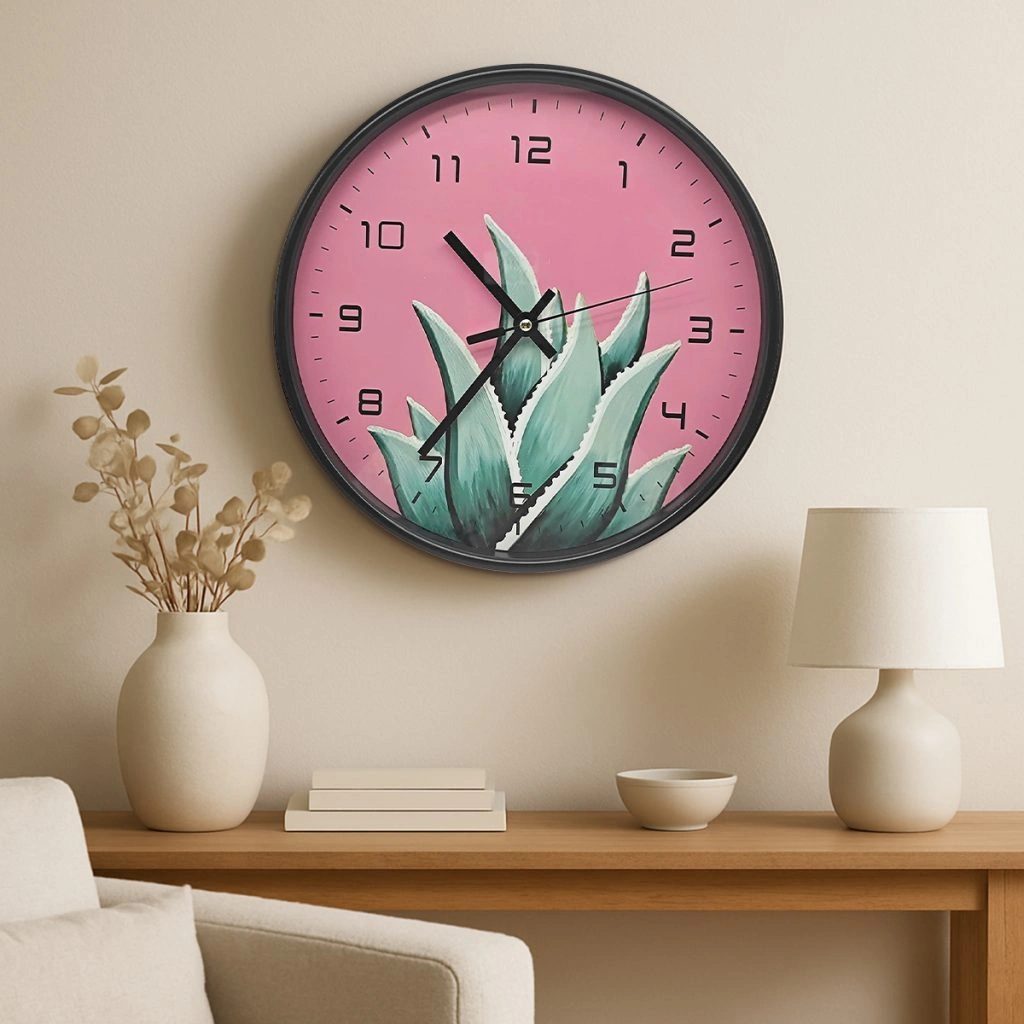
Looks matter as much as sound work. In 2026, buyers like clean, basic stuff such as brushed metals, matte finishes, and sustainable woods. For example, items like the SZZ0098 Modern Metal Wall Clock Silent Non-Ticking Decor hit this need spot on. They mix a strong, new metal edge with a top silent mechanism.
How SANGNI Streamlines Your Bulk Sourcing of Silent Wall Clocks
The Importance of Rigorous Quality Control in Clock Movements
When buying home items in large amounts, uneven quality can hurt a brand’s name badly. This holds true for silent wall clocks. One bad, noisy motor ruins the whole point. Using many-step quality checks helps a lot. It tests for time rightness and full sound quiet before send-off. This step makes sure each piece meets what buyers want today.
Partnering with a Reliable Sourcing Agent for Your Business
At SANGNI, we work as your main buying helper in China. We simplify the complexities of international trade. We do not build or make the inside motors on our own. But we use our strong field ties to find the best, high-grade silent wall clocks out there. We pick top plant partners. We do full quality checks and promises for you. We manage all put-together, re-pack, and worldwide shipping. We make sure you get fair prices and better goods. This lets you just work on building your trade.
FAQs About Silent Wall Clocks
Q: Are silent wall clocks completely noise-free?
A: Good silent wall clocks use a continuous sweep movement. It cuts out the old ticking sound all the way. They get made to be almost quiet. If you put your ear right on the case in a totally quiet room, you might catch a soft, steady gear hum. But in usual home settings, they stay fully unheard.
Q: How do I know if a wall clock has a silent non-ticking mechanism?
A: The simple way to spot a silent non-ticking mechanism is to watch the second hand. If it goes in a smooth, steady sweep without pauses, it is a silent clock. If the second hand hops ahead once per second, it is an old stepping setup. That one will make a ticking sound.
Q: Do silent wall clocks use more battery power than ticking ones?
A: The motor in a silent sweep movement runs steadily, not pausing every second. So, it might use a bit more battery than a normal ticking clock. But new quartz tech makes them save power well. It is generally recommended to use standard batteries specified by the manufacturer to ensure optimal performance.
Q: What are the best rooms to hang a silent wall clock?
A: Silent wall clocks fit any spot that needs focus, calm, or quiet. They show up most in bedrooms, baby rooms, home offices, book areas, and study spots. Lots of buyers like them in new living rooms, too. This keeps a calm, no-bother space for reading or TV time.
Q: Can a silent mechanism be installed in an older ticking wall clock?
A: Yes, you can switch the inside motor in an older clock. If you have an old or liked timepiece, buy a new continuous sweep quartz movement. Swap it for the old stepping motor. This turns your noisy decor item into a new silent clock right away.


