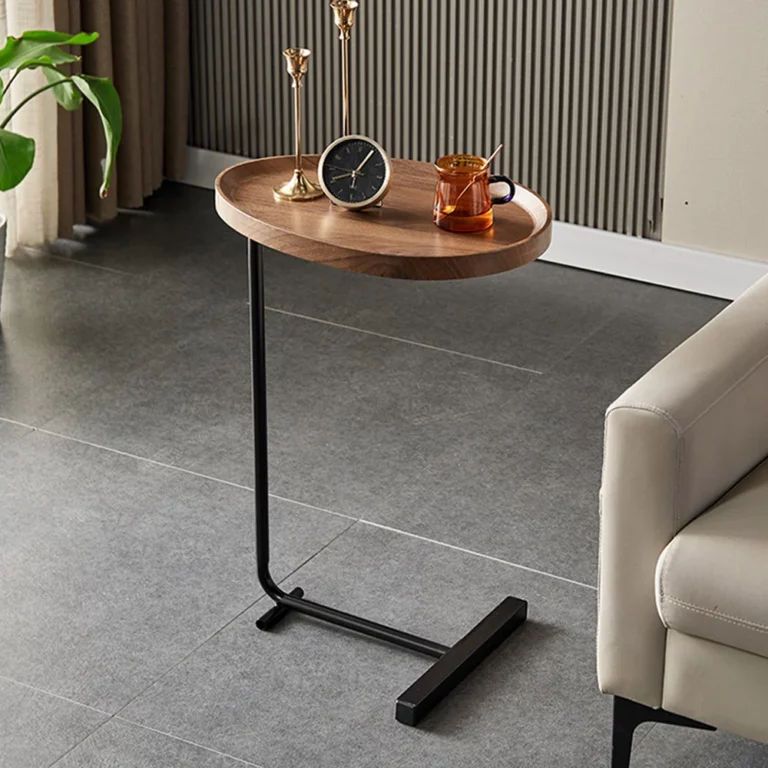

A skirting board is easy to overlook on a sample board and impossible to ignore once it runs around a whole room. The finish meets mop water, chair legs, and every imperfect wall-floor junction. MDF can give a crisp painted or wood-look line; PVC often makes more sense where cleaning and moisture set the pace. The useful question is not which material wins in general, but which one fits this room and the crew installing it.
Start With Project Conditions
Moisture and Location
Walk the rooms before ordering lengths. A dry bedroom or office can accommodate a painted MDF profile; the edge beside a kitchen sink or a bathroom floor has a different job. Note where wet mopping is routine, where water might stand briefly, and whether the finish has to survive repeated tenant changes. One project may need two profiles rather than forcing the same material into every exposure.
Sight along the base of each wall. Minor waviness, floor-height changes, or a cable route will affect the section you choose. A skirting board can conceal a modest gap; it cannot repair damp plaster or make an unstable substrate suitable for adhesive. Photograph the awkward corners and take those measurements to the sample review.
Visual and Installation Priorities
A narrow painted line can disappear into a wall; a deeper profile can deliberately frame it. Neither looks right if the corner pieces, door architraves, and floor movement gap are ignored. For a fast refurbishment, a flexible roll might save handling time, but the wall must accept its adhesive. Compare an installed trial length, not just loose sections on a desk.
For a large fit-out, packaging and repeatability matter as much as the appearance of one sample. A profile that is easy to source again can be more valuable than a distinctive finish that is difficult to match later.
MDF Skirting Board: Best for Warm Interior Detail
Strengths
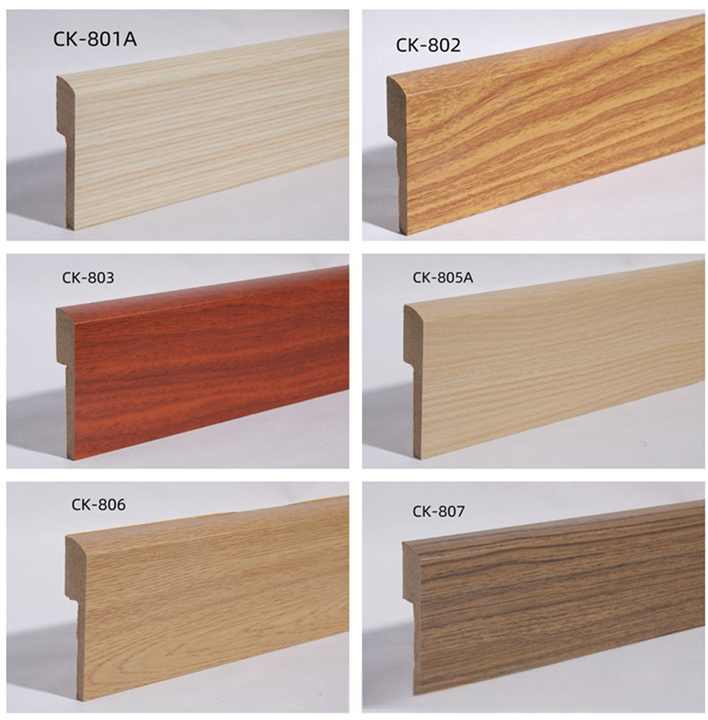
MDF skirting board is valued for its clean, uniform face and its ability to accept paint or decorative finishes. It works well with contemporary interiors that use a consistent wall color, and it can also support warmer schemes with wood-look floors and furniture. The material gives designers a solid visual boundary without making the lower wall feel overly industrial.
The SNSkirting Board-008 waterproof MDF skirting board is a relevant example for buyers assessing a direct-decoration MDF option. It is positioned for hotel floors and offered in wood finishes. The product description also mentions paint or stain as possible treatments; verify the finish on the actual sample before specifying it alongside finished flooring.
For this specific MDF model, the available finish descriptions include oak, walnut, cherry, and maple. It can be cut to size with standard tools and attached using adhesives or fasteners. These options are product-specific; do not apply them automatically to every MDF profile.
Ask how the MDF is supplied: prefinished, primed, or ready for decoration. That answer changes the site work. Miters, end grain, and cuts around door frames need attention, especially when a long corridor makes every small variation visible. In a controlled dry interior, those details can be handled consistently.
Trade-offs
The word waterproof in a model name should start a question, not finish one. What happens at a freshly cut end, a floor cleaning edge, or a joint near a doorway? Confirm the specific product’s exposure guidance and finish treatment. Store the lengths as directed and protect them from standing water; a damaged edge can undo careful work elsewhere.
Rigid lengths reward accurate cuts. They also leave little room for a rushed corner, and paint touch-up may follow installation. Put that labor in the budget alongside material price. A profile that seems inexpensive per length can cost more once it reaches a room with many doors and returns.
PVC Skirting Board: Best for Flexible, Easy-Care Applications
Strengths
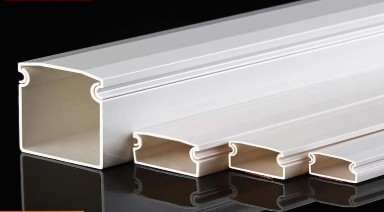
Consider PVC where a damp mop meets the base every day, such as a utility area, kitchen, or busy rental. Many plastic profiles wipe clean easily, and a flexible version may follow modest wall irregularities. That does not make all PVC products interchangeable: a rigid channel section and an adhesive-backed roll are different installation decisions.
Color is less forgiving along a long run than it appears on a short sample. A white strip against a slightly warmer wall can suddenly look gray. Place the proposed profile beside the installed flooring and check it at a doorway where both finishes meet.
Trade-offs
An adhesive-backed roll is only as dependable as the surface beneath it. Loose paint, powdery plaster, condensation, and rough corners are warning signs. Clean and repair a small test area, apply a trial section as instructed, and inspect the ends after the adhesive has settled. A neat photograph on day one is not proof that the corner will remain flat.
PVC often reads as a practical edge rather than a piece of joinery. That may be exactly right for a maintenance-led space, but less convincing beside detailed doors and painted trim. Check the sheen at floor level: a glossy strip can stand out even when its color is close to the wall.
MDF vs PVC Skirting Board: A Practical Decision Framework
Choose MDF When…
If the room stays dry and the design calls for a substantial painted line, begin with MDF. It gives the installer a rigid section to cut and finish around doors and corners. Bedrooms, offices, and many corridors fit that brief. In a more exposed space, treat suitability as a model-specific question rather than assuming the familiar MDF name answers it.
Request a sample with a cut end, not only a polished face. Compare the edge treatment, storage instructions, and the proposed method for joining lengths. It is the installed assembly, not the material label, that the room will test.
Choose PVC When…
When wiping and wet cleaning dominate the brief, test PVC first. A flexible format can help around gentle bends or slightly wavy walls; a more rigid section may be better where a defined architectural edge is wanted. For adhesive-backed material, prepare and trial the wall before treating speed as a project saving.
The SNSkirting Board-007 self-adhesive PVC skirting board illustrates a roll-based approach with adhesive backing. The PVC product is described for indoor settings including bathrooms and kitchens. Its peel-and-press format can reduce separate fixing steps and simplify cutting long runs, provided the wall is clean, sound, and suitable for the adhesive.
This model’s roll format is described as allowing efficient cutting and shaping for larger installations. The backing is intended to be pressed directly to the wall after removing the protective layer. Check the substrate and corner detail on a trial length before committing a whole floor.
Our team can help compare the practical brief across profile style, material, installation method, and room exposure.
SANGNI Product Examples for Different Briefs
Picture two orders. A hotel corridor needs the same height and finish over many doors and long walls; the installation crew can set out rigid lengths and miters. A small refurbishment may value a roll that arrives easily and avoids finishing on site. Either way, approve the profile in a real corner and doorway before multiplying a small-sample choice across the building.
SANGNI’s product sourcing service is relevant when one project needs skirting, wall finishes, and other coordinated interior components reviewed together. Its procurement scope covers supplier vetting, production oversight, quality checks, logistics coordination, and delivery.
The least expensive sample is not necessarily the least expensive installed edge. Count the corners, the wet rooms, the cuts, and the likely touch-ups. Those details make the MDF-versus-PVC answer different from one project to the next.
FAQ
Q: Is MDF or PVC skirting board better for bathrooms?
A: Start by checking the exact room exposure. PVC often simplifies wipe-down care near a wet floor. An MDF option needs product-specific moisture guidance and careful treatment of joints and cut ends.
Q: Is PVC skirting board cheaper than MDF?
A: Not necessarily. Price the installed run, including corners, adhesive or fixings, painting, labor, and future repairs. A cheap length can be costly in a room full of returns.
Q: Can MDF skirting board be used with laminate flooring?
A: Yes, in a suitable dry room. The skirting can conceal the floor’s required movement gap, but it should be fixed to the wall and should not pin the laminate down.
Q: Does self-adhesive PVC skirting board stay on uneven walls?
A: It may follow slight waviness. Try a short length first; dust, loose paint, dampness, and large gaps can defeat the adhesive at the corners or ends.
Q: How do I choose skirting board color?
A: Put a real sample at floor level. Matching the wall makes a quiet line; picking up the floor or door trim makes the base more deliberate. Check it in the room’s normal light.