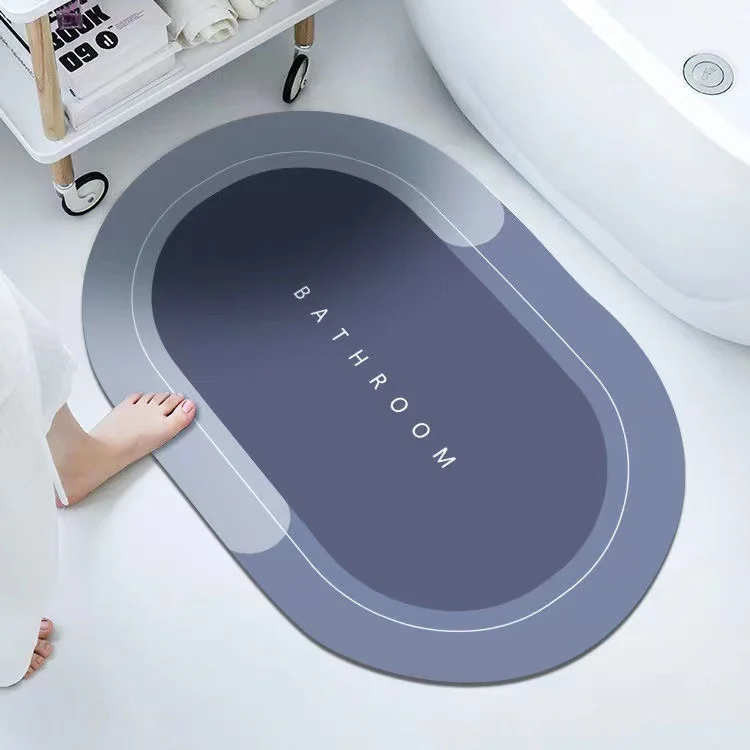

A hotel bathroom mat must cover the area in the wet zone, be comfortable to step on, and be manageable for the housekeeper. When purchasing a bathroom mat, don’t just test for softness. Also think of the moisture, the grip, the size, the cleaning, the storage, and the replacement stock.
Start with the guestroom layout and processes in place to service guests. Use the shower or tub and mark where the guest will exit; note door swing; check clear space at vanity; locate floor drain; note storage location. Test a sample of these processes with hotel staff.
Define the performance brief for hotel bathrooms
Prioritise moisture handling
Product SNBathroommats001 is a diatom mud bathroom mat. It has a rubber base/material and is 40 × 60 cm. It provides grip and moisture absorption, supports everyday comfort, and is washable and reversible. The details above do not indicate quick-dry, antibacterial, or non-slip.
Test the mat in the placement where guests step out of the room and see how it will be collected, cleaned, and put away by staff between guest stays. A mat that blocks a door or folds up in a trolley is of little use as an operational product. Note the room type, floor covering, exposure to water and the normal turnaround time for the brief. Also test for a guestroom placement trial and a staff handling trial, as these will throw up different problems, and you would not wish to order hotel-wide quantity based on one of these trials.
Match comfort with the guestroom style
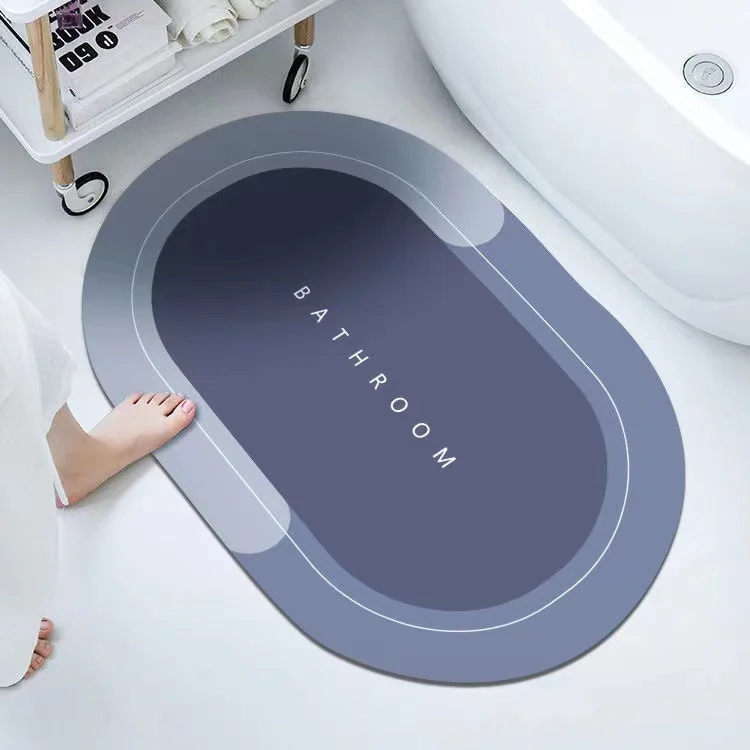
Keep shape and color consistent with bathroom palette and clearly identify wet-zone on mat. Ensure mat sits flat at exit position and does not intrude into the door opening, the toilet area, or the vanity. Grip is a selection criterion and should be verified on the floor, not made into a safety guarantee. Take a photo of trial placement from guest approach and housekeeping route to aid with subsequent room checks.
Select the correct product for the application, dimensions, materials, maintenance and installation/purchasing conditions. For hotel bathrooms, record in one brief the room type, floor type, mat dimensions, material and base type, cleaning procedure, storage location and purchasing conditions.
Choose size, placement, and cleaning workflow
Confirm the 40 × 60 cm footprint
A 40 × 60 cm bathmat might be suitable for a small shower or a bathroom with a bath, but every bathroom is different and needs to be measured for the mat. Would one mat fit, or would you need to put a different one in the room each time? Creating a bathmats category makes it easier to compare the styles and sizes available, while still allowing for the project to be specified as measured for that individual room.
Plan washing and rotation
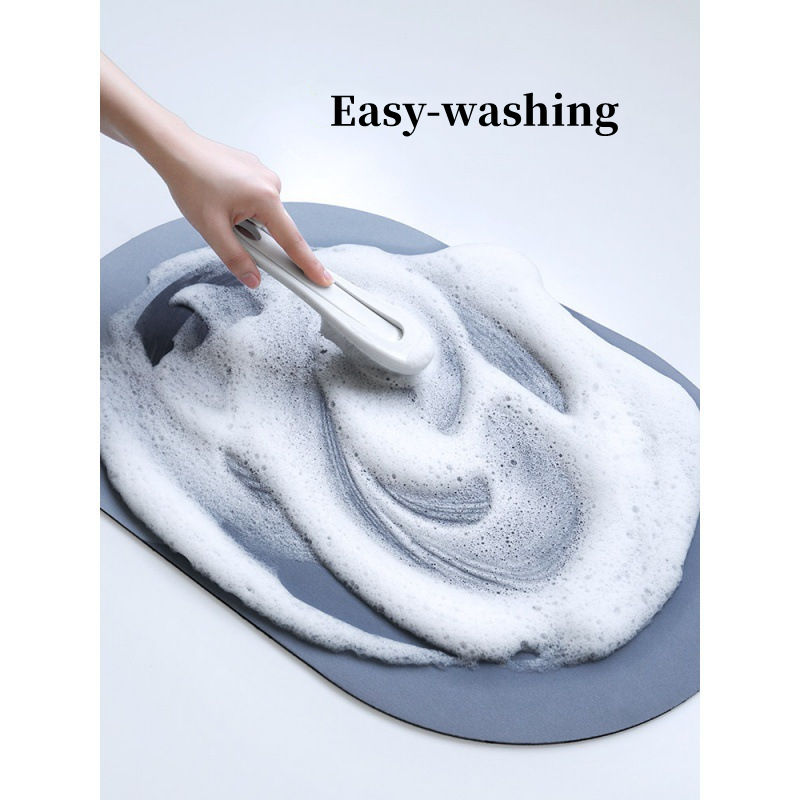
SNBathroommats001 is specified to be washable and reversible. Before placing large quantities with a supplier, seek written confirmation of the suggested method of cleaning, plus details on how they will be dried, colours, etc., and how frequently they will be inspected. A ‘clean-used’ separation route should be established to prevent dirty mats being returned to bathrooms. Details on a rotation plan, including where clean mats will be stored and where used mats go, plus who is responsible for writing off a mat for replacement, would also be helpful.
Check durability through an operating sample
Inspect the base and edges
Carry out a normal examination for deterioration of the rubber base, perimeter, surface finish, and flatness. Test mat on proposed floor with normal amount of water present. Check for mat curl, mat movement, or mat picking up debris under test conditions. Record results for particular test conditions as opposed to generalization. Test on other floor finishes used in hotel bathrooms as applicable.
Review care results over repeated cycles
Test the cleaning method on a sample first and check the item for any change after cleaning and drying. Check with supplier for the correct wash method and for drying method; do not assume a temperature, etc. Keep a simple record of what you have done and any change in handling of the item, for the buyer to check if the intended cleaning method is suitable for housekeeping.
Set a replacement and complaint rule
Define when a mat is removed for visible soil, edge damage, odour, loss of flatness, or a change in grip. Keep replacement stock in line with room count and purchasing lead time. This gives housekeeping a clear action before a minor issue becomes a guest complaint. For a property with different room layouts, record the approved mat size and placement by room type so the next order can be reconciled with current inventory.
Organise bulk sourcing and quality control
Approve samples before volume
At SANGNI, we support the search for new suppliers, evaluate suppliers’ capabilities in respect of the required standards, and also coordinate samples and first production articles. All supplier questions, sample notes, changes to the prototype, and approvals by the buyer are registered in the same order record. Using the product sourcing service, the discussion with the suppliers is organized within the framework of the room plan/cleaning plan / approved articles.
Inspect packing and shipment release
Our service scope for pre-production verification through to final product acceptance at loading includes packaging verification, warehouse storage and international freight forwarding. Whilst our inspection activities do not guarantee 100% defect-free products nor guaranteed delivery, we can confirm details such as carton labels, moisture protection, key inspection points, required spare parts and the type of evidence required to clear shipment for dispatch.
The commercial product coordination scope is defined as product sourcing, product design and development, quality control and assurance, storage, shipping and post-sales service. The approved product specification should be attached to the order and clearly indicate room application, mat size, care information, and any product substitution.
Identify sample approval, production checks, finished-mat reviews, carton and loading reviews, warehousing, and logistics releases as separate checkpoints.
Turn the specification into a hotel routine
Train housekeeping on handling
Demonstrate to staff where clean flat mats are stored and show them how soiled mats are bagged up. Describe the method of inspecting the surface of the mat and state when additional mats will be issued. An inspection card could be used to record that the mat is flat, clean, edges are intact, and has good grip. Keep the card short enough to be used during normal room changeover and clearly state what action to take if the mat fails any of the points on the card.
Review the first rooms after installation
Inventory a small room setting after the 1st cycle. Check mat placement, guest flow, wash processing, storage capacity, and required frequency of replacement. Update your written specification prior to placing your next order. Then link your observations of the 1st cycle to your subsequent orders, rather than having to rely on an assumption made prior to installation.
FAQ
Q: What should hotels check when buying a hotel bathroom mat?
A: Check the wet-zone location, floor, size, moisture management, grip, maintenance, storage, and changeover strategy.
Q: Does a rubber base make a hotel bathroom mat completely non-slip?
A: No. A rubber base and a listed grip are discussed in a safety context. Performance must be verified on the floor in question and must not be guaranteed in absolute terms.
Q: Is a 40 × 60 cm bathroom mat suitable for every hotel room?
A: No. You measure the shower or tub exit, the threshold, door swing, and vanity clearance and approve the size based on those measurements.
Q: What should a bulk hotel bathroom mat order include?
A: Include the approved sample, material and base, dimensions, care guidance, packing, inspection points, labels, spare quantity, and release criteria.