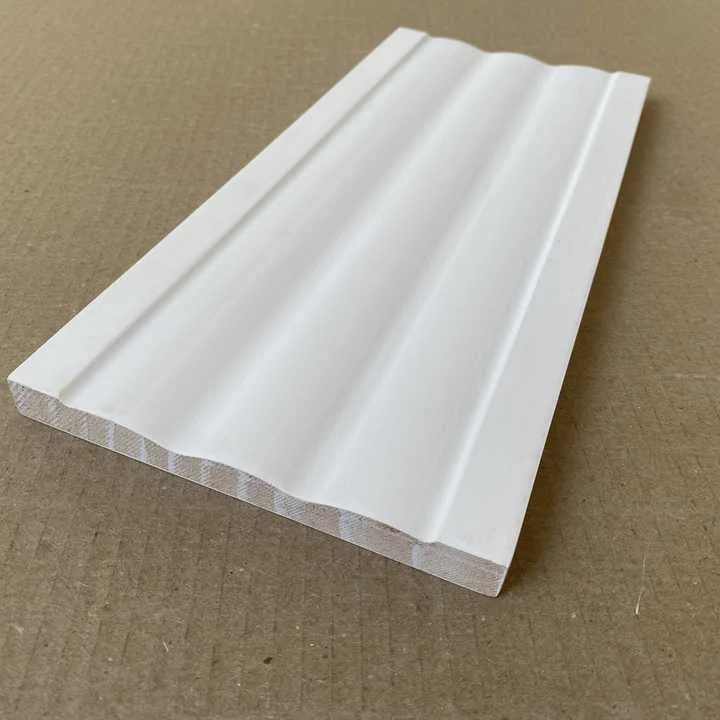

The wood frame of a coffee table influences the verifiable features of the buyer, the usability of the table, and its reparability. Solid wood still makes a good option due to its ease of maintenance, but not because all wooden tables are nonemitting or sustainable.
What Does “Non-Toxic” Mean in a Coffee Table?
Solid Wood, Engineered Wood, and Synthetic Frames Explained
Solid wood is milled directly from natural timber. Plywood bonds thin veneers in layers; MDF compresses wood fibers with resin; particleboard binds larger particles; and plastic composites combine polymers with fillers such as wood flour. Here, “synthetic frame” means a plastic-bed or wood-composite structure intended to replace or imitate wood. A metal frame is a separate category, not synthetic wood.
The SNCTABLE0001 Modern Coffee Table is specified with a carbon-steel frame, an MDF top, and a patterned surface decal. It measures 30 × 36 × 62 cm, has customizable color options, and is presented for living rooms and small offices where its compact form can support drinks, books, or decorative objects.

Why Finishes, Adhesives, and Coatings Matter as Much as the Frame
A solid wood frame may still contain joint glue, filler, stain, lacquer, or sealant. A composite table may use verified low-emitting panels and coatings. Ask whether test results apply to the finished table or only one raw material. Exposed composite edges can also absorb spills.
Reason 1: Can Solid Wood Reduce Common Off-Gassing Concerns?
Fewer Composite-Wood Binders in the Main Structure
A solid wood frame does not require resin to bind loose fibers throughout its main structure. This removes one common concern associated with some engineered panels, but laminated sections, edge-glued parts, joint adhesive, stain, and topcoat still need review.
The SNCTABLE0003 Modern Box Wood Coffee Table is specified as a modern box-wood model measuring 400 × 295 × 560 mm and packed one piece per carton. Its design includes a magazine or book holder and is presented for living rooms, reception areas, hotel suites, and offices. Flexible material and design customization is available for bulk orders.
The stated base material does not prove that the complete table is formaldehyde-free or zero-VOC. Broader claims require product-level emissions evidence.
How to Verify Low-VOC Finishes and Adhesives
Helpful Certifications and Product Documents
GREENGUARD Gold addresses chemical emissions from a certified finished product and applies lower VOC limits for sensitive environments. TSCA Title VI is narrower: it regulates formaldehyde emissions from hardwood plywood, MDF, and particleboard sold in or imported into the United States. Compliance does not mean every finish, glue, or component is chemical-free.
Use documents together. A material declaration identifies substrates; a coating technical sheet states finish chemistry; and a third-party report should identify the sample, method, measured substances, and result.
Vague Claims and Material Red Flags
“Eco-friendly,” “natural finish,” and “solid wood product” are not sufficient evidence. Keep asking when a seller omits the wood species or grade, calls a veneered panel solid wood, provides no coating name, or submits a report for an unrelated panel.
Reason 2: Why Is Solid Wood Better Suited to Everyday Coffee Table Use?
Strong Joinery and Reliable Support Under Repeated Use
Coffee tables repeatedly hold books, trays, and drinks; they are moved for cleaning and bumped by children or pets. Performance depends on the load path from top to frame and floor. Inspect mortise-and-tenon joints, dowels, corner blocks, or other fitted connections, and check whether screws bite into substantial material instead of a weak edge.
Solid wood provides useful thickness for joinery and later tightening, but workmanship remains decisive. Rock a sample gently and inspect gaps before and after handling.
More Forgiving Around Scratches, Dents, and Spills
Solid wood can scratch, dent, stain, and develop water rings. Its advantage is recoverability: shallow damage can often be remedied through localized sanding, touch-up oil, or refinishing when the finish permits. Thin veneer provides less sanding depth, while swollen MDF or particleboard is difficult to restore. Wipe spills promptly; “repairable” never means “immune to damage.”
Reason 3: Does Solid Wood Deliver Better Long-Term Durability?
Sanding, Refinishing, and Repair Can Extend Service Life
Service life includes maintenance. A repairable top can be resurfaced, a damaged leg or corner may be patched, and accessible fasteners can be tightened. Ask whether the finish can be recoated, spare hardware is available, and structural parts can be reached without destroying bonded panels.

Match the repair to the construction. Sanding through veneer exposes its substrate, while an incompatible new coating may peel or discolor.
Natural Grain Ages Better Than Printed or Laminated Surfaces
Natural grain varies in color and figure, so minor wear can become part of its character. Printed grain and laminate provide consistency, but a deep chip may reveal a different core. Solid wood is more adaptable through stain, oil, or refinishing when the product allows it.
Reason 4: Is Solid Wood the More Responsible Long-Term Choice?
Choose FSC-Certified, Reclaimed, or Traceable Timber
Wood is not automatically responsible. FSC certification supports responsible forest management and chain-of-custody tracking for eligible forest materials; it does not certify a table as chemical-free. Verify the finished-product claim and sales documents, not a general supplier logo.
Reclaimed timber can reduce demand for newly harvested material, but its origin, old coatings, moisture, and strength still need checking. For other wood, request species and traceability evidence.
Repair, Reuse, and End-of-Life Considerations
Solid wood furniture may be refinished for resale, repaired for donation, or reused as parts. Accessible mechanical fasteners can make wood, metal, and glass easier to separate than permanently bonded layers. Compare the whole lifecycle: a durable, repairable table that remains in service can be more responsible than a nominally “green” table that fails after an edge, joint, or finish is damaged.
How to Choose the Right Wood Frame for a Coffee Table
For Home Buyers: Match Materials and Finishes to Daily Use
Ask What Every Structural Component Is Made From
Identify the top, legs, apron or frame, drawer bottom, internal supports, veneer substrate, and hardware connections. Request a component-level material schedule, especially when a listing alternates among “wood,” “wood frame,” and “wood product.” Match the construction to actual risks such as moving, sunlight, moisture, children, or pets.
Check the Finish, Glue, Edge Treatment, and Care Instructions
Request the exact finish and adhesive, plus relevant low-VOC data. Inspect seams and exposed edges, and ask whether the surface can be re-oiled or refinished. A well-specified wood frame remains the top choice when its material, coating, and evidence are clear.
For Retailers and Importers: Request Verifiable Product Documentation
Material Declarations, Emission Reports, and Compliance Labels
Specify frame, top, veneer, glue, coating, hardware, and packaging materials in purchase documents. Match emission and labeling requirements to the destination market; reject “non-toxic” claims without a model, scope, or report number.
SANGNI has more than a decade of home-goods experience and uses a vetted Chinese supplier network to provide one-stop procurement. Coffee tables and side tables are included in our furniture sourcing range. We support retailers, wholesalers, brand owners, and e-commerce businesses by handling product selection, procurement, logistics, and quality control.
Through our product sourcing services, we coordinate supplier vetting, production oversight, quality checks, logistics coordination, and final delivery. Sampling and prototyping allow buyers to verify design specifications before full-scale production, while product and reliability testing supports performance, durability, and safety requirements.
Samples, Quality Checks, and Packaging Tests
Approve a signed sample and locked specification before production. During production, compare substrates, joinery, color, coating, labels, and hardware with that standard.
Our quality process includes pre-production checks of raw materials and equipment setups, in-process audits, and final evaluation of dimensions, labeling, packaging, and visible defects. Container-loading oversight also examines packing integrity and weight distribution before goods enter transit.
Record corrections before release so a material substitution, weak joint, exposed edge, or unsuitable carton does not become a repeated batch issue.
FAQ
Q: Is a solid wood frame always non-toxic?
A: No. The lumber avoids fiber-binding resin, but the finished frame may contain adhesive, filler, stain, lacquer, or sealant. Verify the whole product and its emissions evidence.
Q: Can an MDF coffee table frame be safe when it is TSCA Title VI compliant?
A: Compliance shows that covered MDF meets applicable U.S. formaldehyde-emission requirements. It does not evaluate every coating, glue, or other component, so broader claims need more evidence.
Q: What is the safest finish for a solid wood coffee table frame?
A: No finish is universally safest. Prefer a clearly identified, properly cured coating supported by relevant low-emission test data and suited to the intended use.
Q: Can a metal coffee tablerame be considered low-emitting?
A: The metal is not synthetic wood, but paint, powder coating, adhesive, pads, and the tabletop may affect emissions. Assess the finished table, not the bare frame alone.