
A memorable glass can carry a wedding guest’s name or express corporate appreciation without looking like ordinary merchandise. Personalization also multiplies artwork, packaging, deadline, and quality risks. That complexity explains why a personalized glassware purchasing agent is becoming central to premium gifting.
Why Does Personalized Glassware Work So Well in Premium Gifting?
Wedding Personalization Must Feel Individual, Not Mass-Produced
Luxury wedding gifts succeed when they connect with the event. Initials, a date, a guest name, or a restrained motif can make each glass intentional. Shape, decoration, typeface, and box should share one visual language.
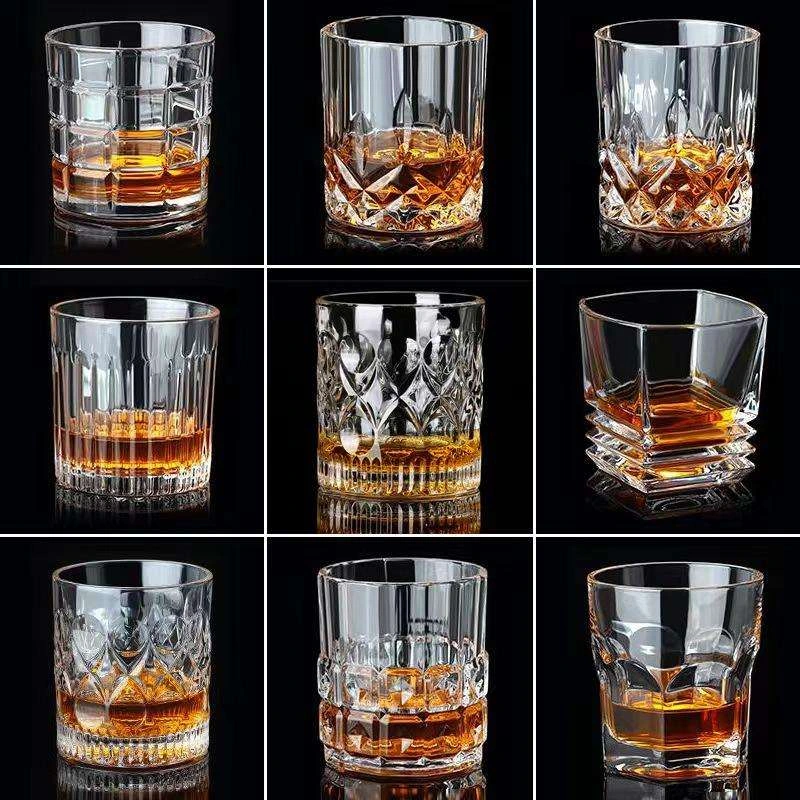
A buyer can begin with a versatile platform such as SNDRINKWARE0002 Elegant Clear Glass Cups for Beverage & Water. The collection offers different clear-glass forms and supports customized logos and packaging. A purchasing agent then helps determine which option suits the drink service, engraving area, guest profile, and target presentation.
Corporate Gifts Need Recognition Without Visual Clutter
Corporate recipients may keep an object that feels useful and personal. A discreet mark paired with the recipient’s name feels more considered than an oversized logo. Glassware suits executive gifts, milestones, client anniversaries, and celebration sets.
The agent’s job is to protect that premium balance. Decoration must remain legible, properly positioned, and consistent across different glass shapes. Packaging should identify the giver while allowing the recipient’s personalization to remain the focus.
Why Do Buyers Use an Agent Instead of Managing Factories Directly?
One Coordinator Connects Multiple Specialists
A personalized program may involve glass, decoration, box, printing, inspection, and freight specialists. Separate vendor management creates gaps: an approved glass can reach the wrong printer or a correct box can receive the wrong name.
SANGNI acts as a sourcing coordinator rather than claiming to manufacture every item. Through our product sourcing service, we can match requirements with appropriate suppliers, organize samples, compare commercial terms, and keep the project brief consistent across contributors.
Agents Translate Creative Ideas Into Production Data
Mood boards are not production instructions. An agent converts the creative direction into controlled files and measurable requirements: decoration dimensions, safe print areas, color references, artwork formats, personalization lists, proof rules, packaging components, quantities, and acceptance criteria.
When every unit differs, the agent establishes file-naming rules, version control, and approval checkpoints. This reduces spelling errors, mixed orders, and late rework.
How Does a Purchasing Agent Build a Gift-Ready Glassware Program?
Product Selection Starts With the Occasion and Recipient
Wedding planners may need glasses that double as table settings and take-home favors. Corporate teams may prefer coordinated tumblers, decanters, or presentation sets for different recipient tiers. The chosen form should suit the beverage, decoration method, hand feel, storage space, shipping weight, and budget.
A capable brief defines who receives the gift and how it will be presented. It also separates universal components from personalized ones. Keeping one glass and box structure while changing names, sleeves, cards, or inserts can preserve consistency without turning every variation into a separate product-development project.
Gift Packaging Is Part of the Product
Luxury perception begins before the glass is visible. A fitted insert, clean exterior, accurate label, and orderly accessories communicate care. Packaging must prevent glass contact and movement.
SANGNI’s assembly and re-packing support includes customized packing, kitting, branded labeling, and in-process checks. Our team can coordinate glasses, cards, accessories, and regional labels into one approved presentation while maintaining a traceable packing sequence.
What Risks Make Agent-Led Quality Control So Important?
Personalization Errors Can Ruin an Otherwise Perfect Gift
A misspelled name or incorrect logo affects a specific recipient and may be impossible to replace after the event. Approval samples should confirm artwork size, placement, contrast, permanence, and appearance.
Production checks should compare finished units against the approved personalization file, not only a generic sample. Batch counts, duplicate names, missing names, box labels, and recipient lists require reconciliation. Sensitive recipient data should be limited to the vendors and staff who actually need it.
Fragile Glass Demands Product and Packaging Inspection
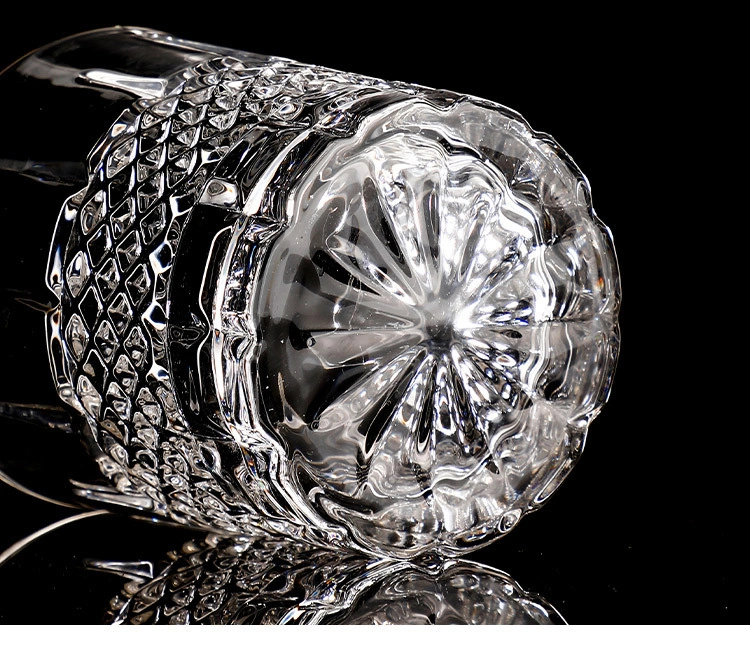
Clear glass exposes bubbles, scratches, chips, uneven rims, and decoration defects. Inspectors need an agreed viewing method and acceptable quality limits. They should also check carton condition, insert fit, movement, and labeling before shipment.
Transport testing should reflect the real packed configuration. A beautiful presentation box that allows movement is not export-ready. The purchasing agent links appearance standards with protective packaging, corrective action, and replacement planning instead of treating them as separate tasks.
How Should Buyers Brief a Personalized Glassware Purchasing Agent?
Define the Commercial and Creative Boundaries Early
A useful brief states the occasion, recipient count, destination, deadline, target price, glass style, decoration, packaging, and compliance responsibilities. It should distinguish fixed requirements from flexible areas.
Buyers should also explain the desired luxury signal. Weight, clarity, pattern, personalization, box construction, and unboxing sequence can each influence perceived value. Prioritizing them helps the agent spend the budget where recipients will notice it.
Use Approval Gates From Sample to Shipment
Set clear gates for product selection, decoration trials, packaging prototype, pre-production sample, personalization data, mass production, inspection, and shipment release. Every gate needs an owner and a deadline. Late artwork changes should trigger an explicit review of cost and schedule.
This controlled workflow is why a personalized glassware purchasing agent can outperform fragmented vendor management. The agent does not create luxury through price alone; the value comes from keeping design, individual data, quality, packaging, and delivery aligned until each gift reaches the right recipient.
FAQ
Q: What does a personalized glassware purchasing agent manage?
A: The agent can coordinate product selection, suppliers, samples, decoration files, personalization data, packaging, inspections, terms, and logistics. The exact scope belongs in the project brief.
Q: Can a personalized glassware purchasing agent handle individual guest names?
A: Yes, provided the project uses controlled data files, proofs, version rules, and reconciliation checks. Buyers should define who may access recipient information and when those files must be deleted or archived.
Q: How early should wedding buyers contact a personalized glassware purchasing agent?
A: Contact should begin before the final order deadline so there is time for glass selection, decoration tests, packaging samples, production, inspection, and shipping. Complex names or custom boxes require a larger buffer.
Q: How does a personalized glassware agent reduce breakage?
A: The agent can coordinate fitted inserts, carton specifications, packed-sample testing, pre-shipment checks, loading requirements, and replacement quantities. Protection must be tested with the actual gift configuration.
Q: What information should corporate buyers give a personalized glassware purchasing agent?
A: Buyers should provide recipient tiers, quantities, destination, deadline, budget, artwork, branding rules, personalization fields, packaging expectations, approval owners, and any market-specific compliance requirements.