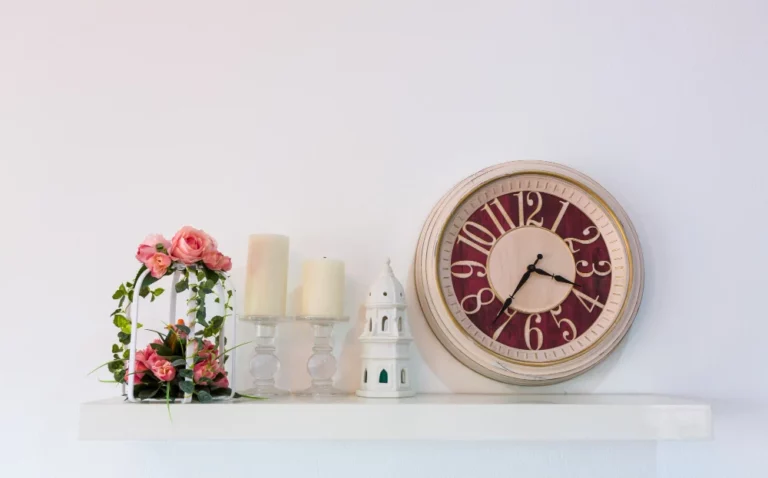

In the changing home design scene of 2026, a wall clock serves more than just telling time. It acts as a key part of a room’s look. If you own a home and want to update a space, or if you sell online and aim to build a strong product range, the spot for a clock can improve or harm the room’s feel.
Why Strategic Wall Clock Placement is Essential in 2026
Mastering the Ergonomics of Vertical Placement
A frequent error in room setup involves placing items too high up. To make a wall clock work well, it needs a spot for easy reading. In 2026, user-friendly design stresses viewing at eye level. This usually means 57 to 60 inches from the floor to the clock’s center. Such a height lets you see the time quickly. You can do this while sitting or standing. It avoids neck discomfort and keeps your routine smooth. Our broad market knowledge shows that buyers now value this mix of ease and purpose in home and office items.
Enhancing Room Symmetry Through Visual Weight
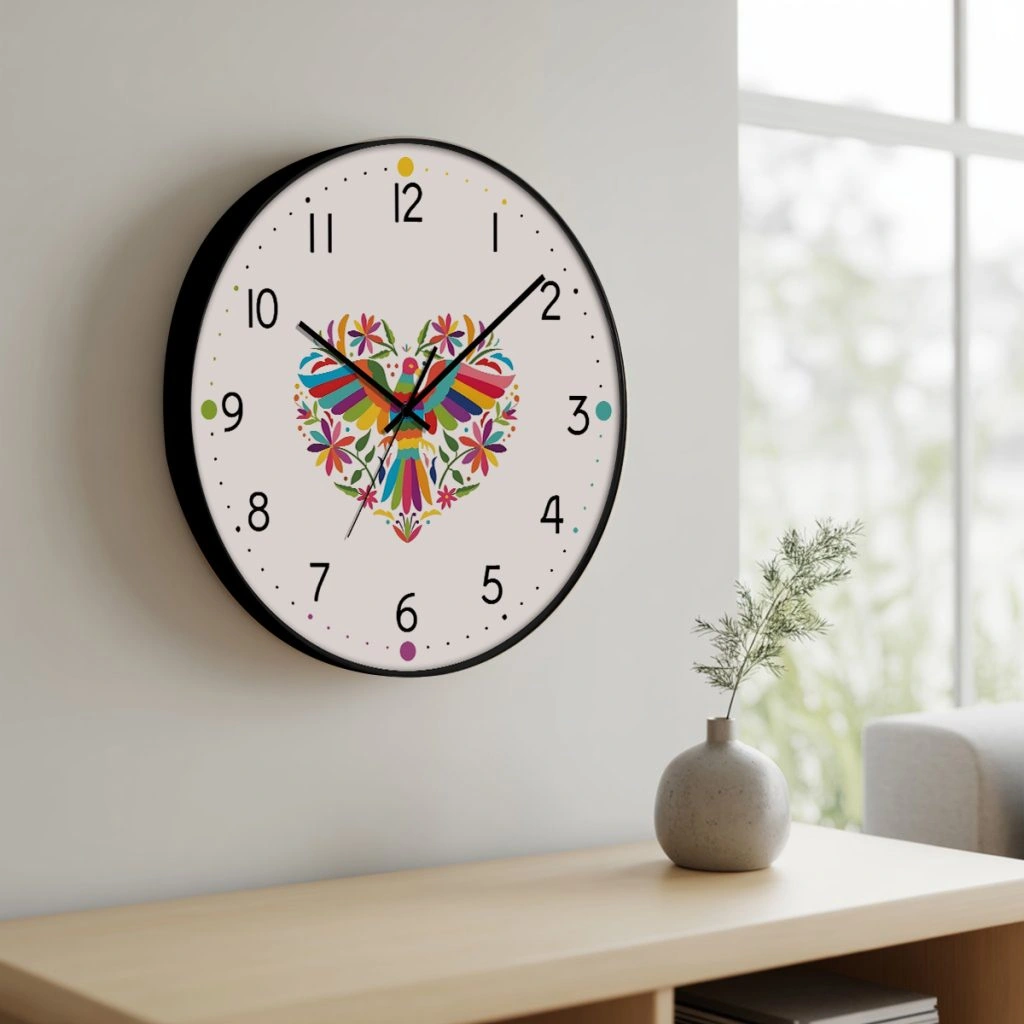
Every object in a room carries “visual weight.” A wall clock, particularly one with bold designs or larger dimensions, acts as an anchor that can balance the distribution of furniture and architectural features. By centering a clock within a wall segment or aligning it with a major piece of furniture like a sideboard, you create a sense of symmetry. This approach reflects our dedication to creativity and the joy of home life, ensuring that every product we source helps our customers thrive in a dynamic global market.
Where to Hang a Wall Clock in Your Living Room for Maximum Style?
Commanding Attention: The Focal Point Strategy
The living room acts as the main area for a bold item that mixes daily use with eye-catching appeal. To draw focus well, place the timepiece as the main center point. Aim for the wall behind the main couch or a partition in the eating area. There, it can boost the space’s overall look. In wide, open rooms, pick a style that displays size and appeal. This can produce a strong impact that grabs notice right when you walk in. By choosing a simple but graceful look, the clock fits smoothly into different room types. Thus, it remains a harmonious blend of functionality and artistic flair.
Blending Timepieces with Decorative Art
For a combined style, the “gallery method” works very well. Do not let the clock sit by itself. Instead, group it with various art prints, mirrors, and frames. This builds a custom area that shows your own taste. When we offer selection help for small brands and sellers, we often recommend a range of items. For example, our SZZ0099 Modern Minimalist Plastic Silent Wall Clock. This helps them create a unified set of home products. Such a collection supports lasting gains.
How to Choose the Perfect Spot in High-Traffic Functional Areas?
Enhancing Workflow: Kitchen and Dining Room Placement
In functional spaces like the kitchen, placement should follow the workflow. A “glance-friendly” zone, such as the wall above the pantry or the space above a doorway, allows for quick time checks without interrupting meal preparation. In the dining room, a clock should be visible to all diners but not so prominent that it discourages long, relaxed meals.
Staying on Schedule: Optimal Heights for the Modern Home Office
Remote jobs have grown common. As a result, the home office sees much use and needs clear order. Place a clock on the wall next to your desk. This lets you check work periods without it sitting right in your view. This setup helps minimize visual distractions and stress.
How to Style Different Types of Wall Clocks Professionally?
Creating Statement Walls with Oversized Decorative Clocks
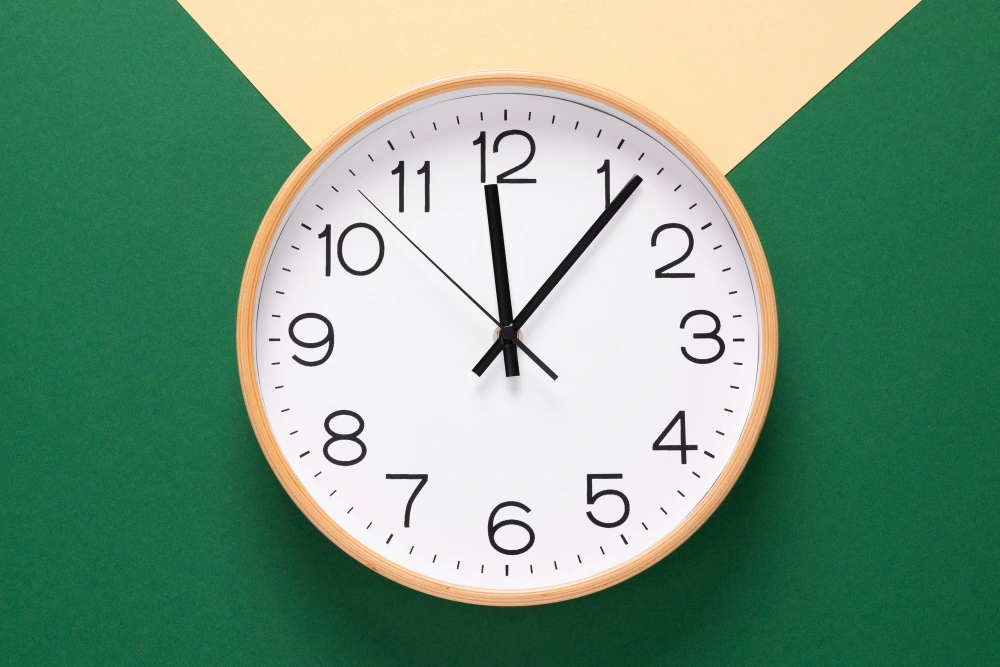
Oversized clocks require significant “negative space” to avoid making a space feel cramped. They are most effective on large wall areas, such as the main walls of a living room or a conference room, where they can show grandeur and style. When we manage the supply chain for mid-to-large enterprises, SANGNI focuses on sourcing these high-impact pieces that elevate product presentation while ensuring safety during transit through refined packaging design.
Incorporating Minimalist Designs into Modern Interiors
Simple clocks fit best in clean, current rooms. They go well with straight line patterns and soft color tones seen in today’s furniture and basic decor. These styles provide a smooth mix of use and looks. They aim to hold your cherished memories or mark time in a fine way. As a solid global selection partner, SANGNI supplies budget-friendly choices for these popular current looks.
Technical Considerations: How to Hang Your Clock Safely?
Selecting Hardware Based on Wall Construction
Safety matters as much as looks. The tools for hanging must fit the wall type. This could be plasterboard, wood, or even current PS 3D wall panels. We maintain tight quality checks and follow world standards. For this reason, we advise using the right supports. They make sure each item meets trust and rule needs.
Maintenance and Accessibility for Battery Replacement
Think about upkeep over time. Hanging a clock up high may seem impressive. However, it must remain reachable for battery swaps or setting the time. A good spot keeps the clock useful for years. This matches our promise of careful selection and top service.
FAQ
Q: What is the best height to hang a wall clock in my living room?
A: To get the right look balance and clear reading, place the wall clock’s center at eye level. This is often around 57 to 60 inches from the floor. It helps the clock blend well with other room items and furniture.
Q: Can I put a wall clock on the wall opposite my bed?
A: Yes, a wall clock in view from the bed works well for morning time checks. But if you pick this spot, select a quiet model without ticks. That way, it does not bother your rest.
Q: Where is the best place to hang a wall clock in a small kitchen?
A: For a tight kitchen, try above a door or on a slim wall part without cabinets. This keeps the clock easy to see. At the same time, it leaves room for other needed items.
Q: Should a wall clock be centered over a sofa or centered on the wall?
A: If the sofa is the key furniture on that wall, center the wall clock above it. This forms a single “view unit.” For a mostly bare wall, center it on the wall for improved balance overall.
Q: Is it okay to hang a wall clock near a window or in direct sunlight?
A: Avoid direct sunlight for wall clocks in general. Heat and light rays can fade colors or harm the inside parts over time. A wall at a right angle to the window often proves safer and clearer to see.