
Start by inspecting the underside of the table. Check the joints connecting the frame to the tabletop and legs for signs of looseness. Ask the supplier to demonstrate how each fitting can be released, which tools are required, and whether disassembly could damage the tabletop or frame. Compare the three choices by asking what can be replaced, what remains serviceable, and which fittings a replacement top requires without discarding the existing frame. Record the answers alongside the material declaration for that model. Compare evidence for timber separately from records covering the base and its fixing components.
What Makes a Coffee Table Material Sustainable?
Check the exact material and its origin
Compare the specifications for candidate tables. Record the top’s material rather than its sales name; record the frame material. Where are the finish and fasteners listed? Add them before comparing cleaning or disassembly. For a certificate, match the supplier and material to the table. Check whether the certificate covers the relevant solid wood components and supports the stated sourcing claims. The coated base needs its own specification for comparison.
Compare service life and end-of-life options
Before discarding a marked top, inspect its surface, edges, and joints. Check whether available replacement dimensions fit. Which fasteners move, and can the finish be refinished? Record answers beside its specification. See whether a top is sold alone or bundled with a sound base. For the selected size, request carton dimensions and gross weight. Compare shipping figures across suppliers for that destination and shipment method before final supplier selection.
Solid Wood Coffee Tables: Repairability Versus Sourcing
When solid wood can be a durable choice
A ring left by a glass needs a repair assessment based on the finish specification. Confirm the wood thickness available for the intended refinishing method. Before detaching the top, ask how its connections release without damaging the supporting frame. Record species and harvest location separately from treatment details and transport route. Request evidence for each; the species name cannot fill the others.
Distinguish solid wood from other wood products
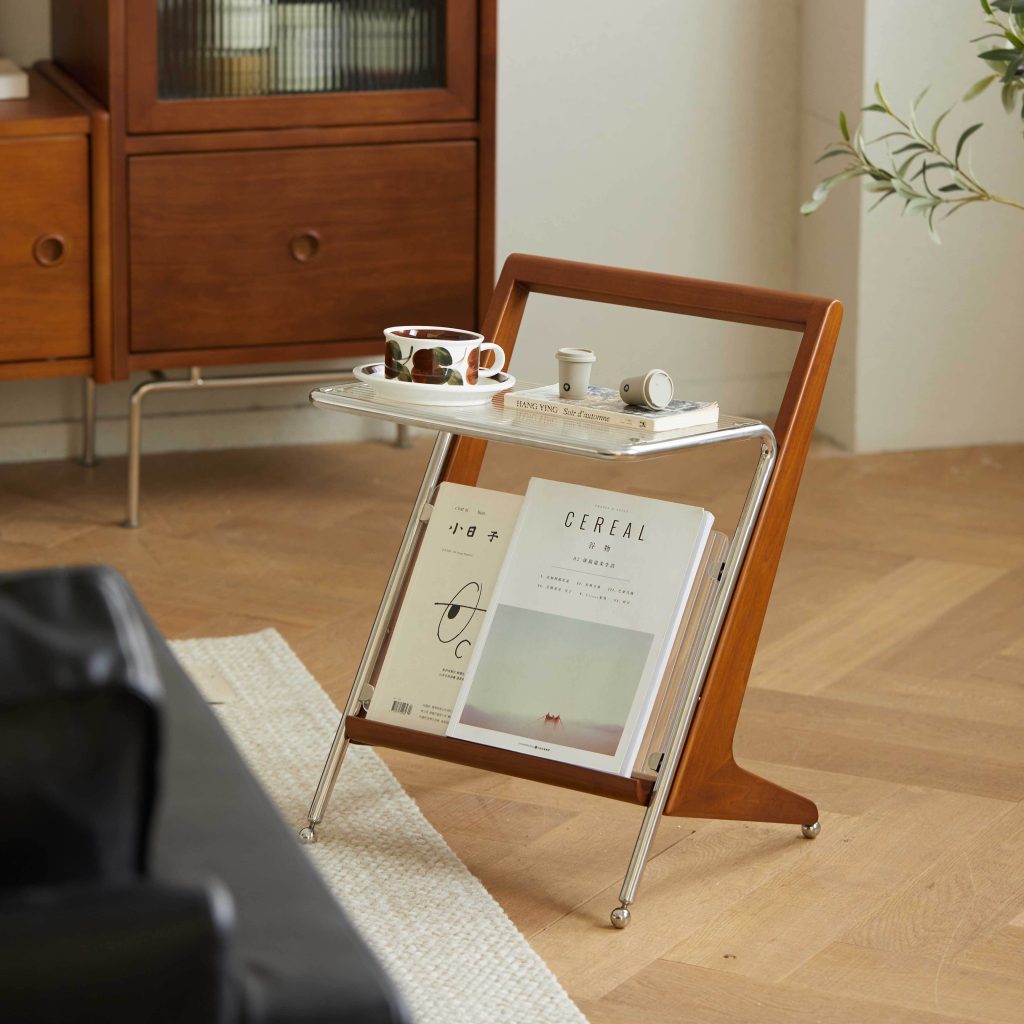
Check the top’s exposed edge, underside, and product specification. Veneer over MDF and solid wood need different repair plans; neither should be relabeled to improve a sustainability claim. SANGNI’s SNCTABLE0003 Modern Box Wood Coffee Table is made of box wood, with a holder for magazines or books. Solid, certified, reclaimed, or sustainably harvested status is not established by the box wood description. Ask for a confirmed construction specification before including this table in a solid wood comparison.
Glass Coffee Tables: Clarity, Care, and Replacement
Evaluate the full glass-and-frame assembly
Does the glass top drawing identify dimensions and fixing points, together with its edge treatment? Use the drawing for a replacement enquiry. Ask the supplier to confirm whether it contains every specification needed for quoting. Resolve unusual shapes before ordering the table. Check the connection to the base: which fittings release glass, and where would bonded joints obstruct removal? Ask the recycler about this tabletop using its glass specification. Confirm acceptance explicitly, even where other glass products are collected.
Plan for everyday use and damage
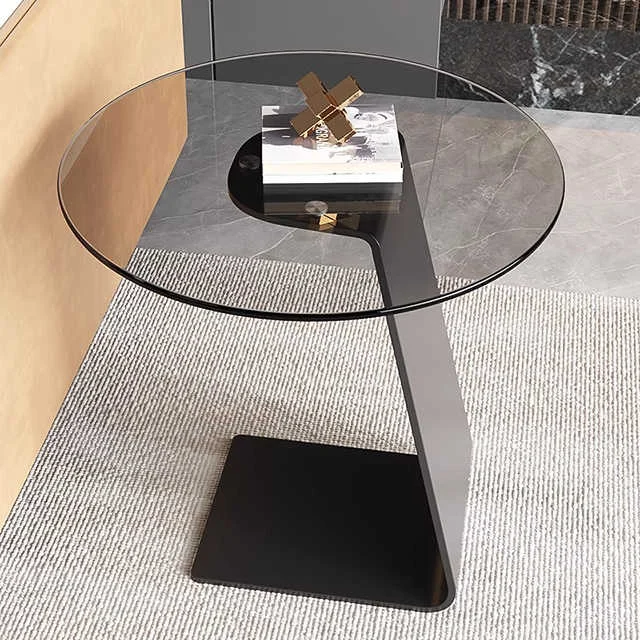
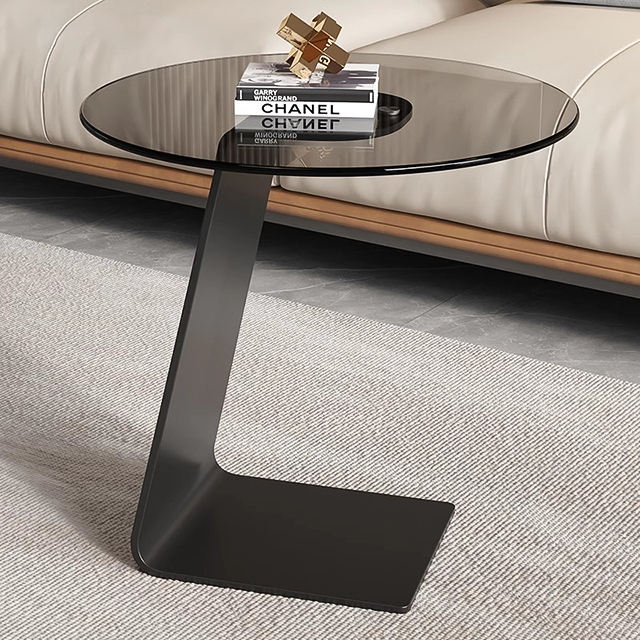
On glass, fingerprints stand out more than they do on textured surfaces. Check the intended position and moving route. Which corners could be knocked, and what edge protection is provided when the table is moved? Request handling instructions and confirm replacement availability before placing orders. SANGNI’s SNCTABLE0002 Modern Glass Coffee Table with Black Metal Base has a glass tabletop and a black metal base. Standard export packaging is specified. This table has no specified recycled content or identified environmental certification.
Metal Coffee Tables: Recycled Content and Finish
Ask what the metal specification actually covers
Trace the base from its supports to each foot, recording welded seams and any fastener that can be removed without damage. Ask supplier to list the metal grade and finish at each connection. For a recycled content statement, request a record naming the frame and its share. Find its recycled input percentage, and keep future recycling claims outside that material input calculation.
Compare metal with mixed-material construction
Glass, wood, and engineered-wood tops can all sit on metal frames. Request a separate quote for replacing a scratched tabletop without replacing the base, then check which connections must be detached to remove the top. SANGNI’s SNCTABLE0001 Modern Coffee Table uses a carbon steel frame and patterned MDF top, with customizable colors. MDF is not solid wood. For this coffee table, neither recycled steel content nor low-emission MDF status is confirmed in writing. Assess the top alongside the frame; a frame specification leaves the surface material unresolved.
How to Choose Between Wood, Glass, and Metal
Match the material to the room and maintenance plan
At home, inspect wear: can you repair the mark, or must that damaged piece instead be replaced? In tight quarters, glass keeps views open; a wood top brings solid visual focus to the room. A narrow metal frame can preserve clear walking space around the table. Record those preferences separately from the material’s environmental evidence. Check room dimensions before accepting an “eco” description. Review care directions and agree who cleans the table and handles its upkeep.
Request evidence before placing an order
For every quote, compare components, source records, finishes, spare parts, packaging, and care requirements as separate fields. Log each unanswered item beside its supplier’s candidate in the current project comparison sheet. SANGNI’s furniture range includes coffee tables and side tables. Our product sourcing service can coordinate samples before full-scale production, supplier discovery, and capability and certification review. We coordinate pre-production verification, in-process checks, and final evaluation, with packaging review and loading oversight. Our coffee table range alone provides no proof of sustainability credentials for a particular table model.
FAQ
Q: Is a solid wood coffee table more sustainable than a glass coffee table?
A: Put the wood sourcing record beside the glass specification. Request wood refinishing instructions and glass replacement details. Compare what remains usable after surface damage occurs.
Q: Can a glass and metal coffee table be recycled?
A: Send the recycler the glass type, metal specification, and a photograph of their attachment before purchase. Send the recycler specifications for both materials before purchase, and confirm any requirements for separating them.
Q: What should buyers ask about a sustainable solid wood coffee table?
A: Begin by distinguishing solid wood from veneer or MDF components. Request sourcing records that identify the timber species and confirm its origin. Request the finish specification and instructions for surface renewal.
Q: Does recycled metal make a coffee table sustainable?
A: It strengthens the material record when verified. Request the coating specification alongside the recycled content record. Assess the top material and available replacement parts alongside the frame’s material record.
Q: How can a buyer compare wood, glass, and metal coffee table materials fairly?
A: Keep identical requirements for materials, sourcing records, repairs, care, packaging, and disposal routes across the tables. Complete missing entries with supplier documentation before comparing records across candidates.