
Picking the proper canvas wall art size turns an empty wall into a clear sign of design match. Art sizes help shape room evenness, shape how things look, and create the feel of a space. If you are adding decor to a living room, bedroom, or hallway, knowing wall art dimensions brings fitting grace and sight ease.
Understanding the Importance of Canvas Wall Art Size
Size plays a part in wall decor that goes past simple looks. It sets how art works with nearby furniture, lights, and building parts. Selecting the right canvas wall art size aids in building unity between shape and purpose in any room setup.
Why Size Matters in Interior Design
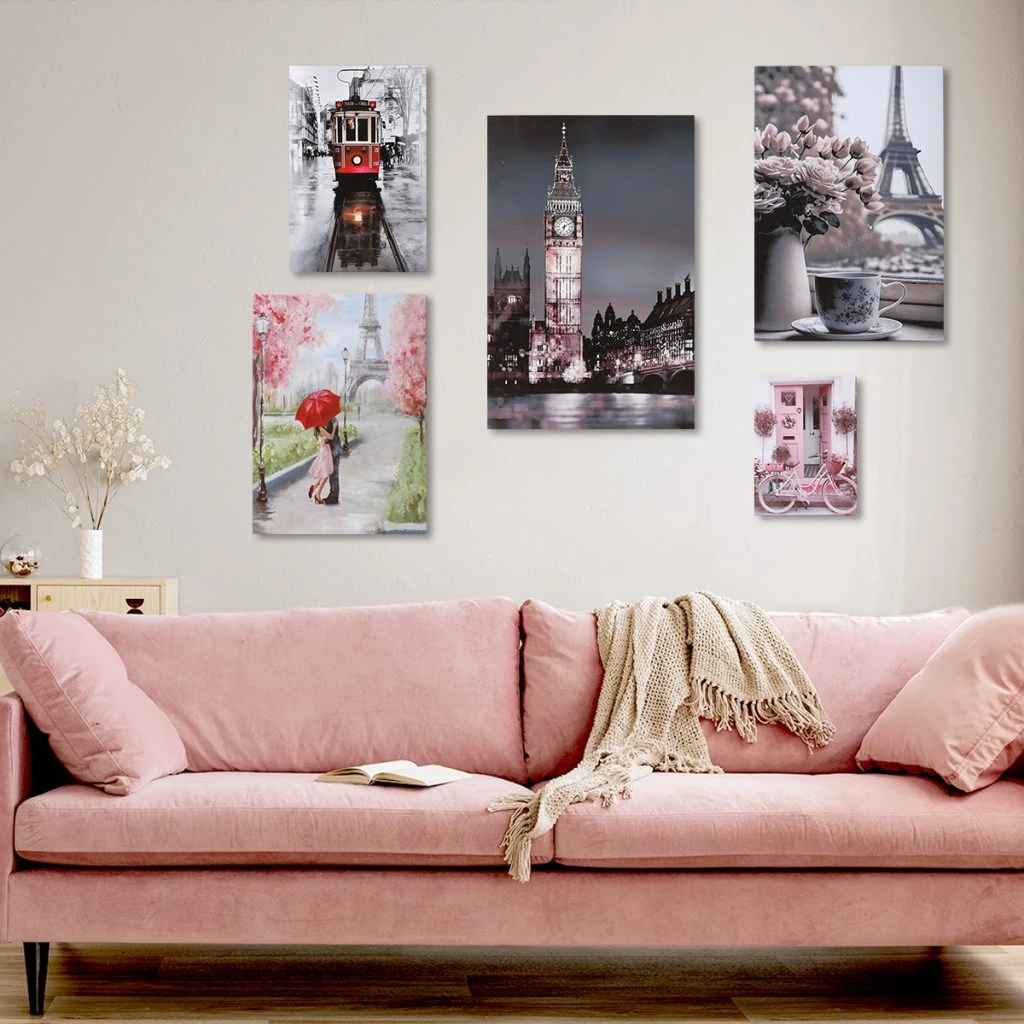
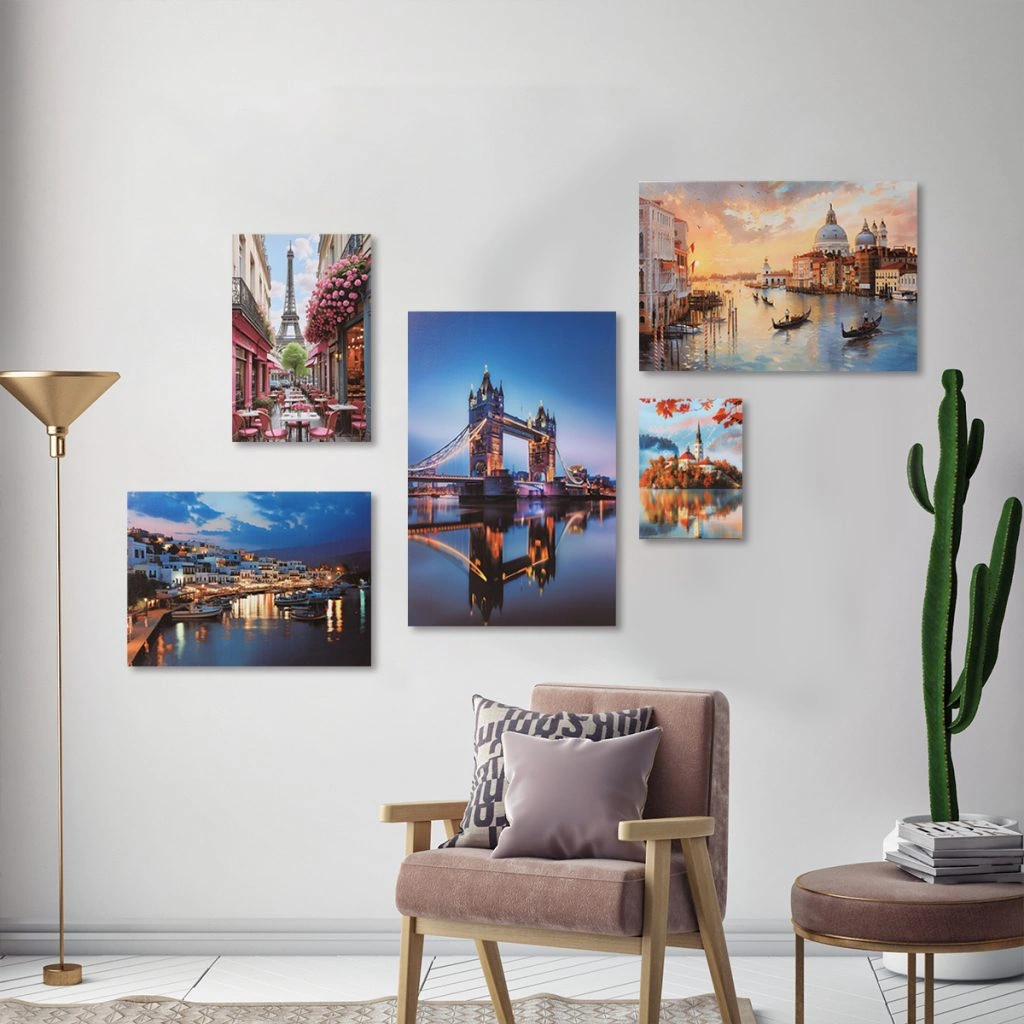
The scale of artwork directly impacts room balance and visual rhythm. Oversized pieces can dominate small spaces, while undersized ones may appear lost against expansive walls. Designers often emphasize proportion as a guiding principle; when properly scaled, art enhances both aesthetic appeal and emotional focus. For example, multi-panel styles like the PHHHX0002 5 Pcs Canvas Wall Art Print Painting Set for Home Decor show how cutting one picture into several panels spreads the sight load evenly over large areas. It keeps wholeness. This set has five different parts. They join to form a united and striking sight tale.
The Relationship Between Wall Space and Artwork Dimensions
A general guideline suggests filling 60–75% of available wall width with artwork to maintain equilibrium. For example, if your sofa measures 200 cm wide, an ideal canvas arrangement would span approximately 120–150 cm. Maintaining this ratio prevents disproportionate gaps or overwhelming presence. Designers frequently apply symmetry principles—centering artwork above furniture or aligning it with architectural lines—to achieve harmony between structure and decoration.
Measuring Your Wall for Canvas Art Placement
Accurate measurement forms the foundation of selecting proper canvas wall art dimensions. Without precise data, even high-quality artwork may appear poorly scaled relative to its environment.
Determining Wall Dimensions Accurately
Start by checking the width and height of the empty wall spot with a trusty tape measure. Think about windows, trims, or fittings that could cut usable area. Note these figures before looking at choices. This helps avoid choosing the wrong sizes later. Yiwu Sangni Home Co., Ltd., a subsidiary of Huahong Art Home, has evolved from being China’s well-known wedding frame brand into a globally trusted home goods supplier with over a decade of industry experience. Their skill in home decor makes sure each product—from frames to canvases—is made with size care fit for different rooms.
Calculating Ideal Artwork Size Based on Wall Measurements
For broad walls like those behind sofas or meal tables, choose parts that cover about two-thirds to three-fourths of the open width. Small spots gain from tall shapes or grouped setups that stretch views without filling space. When placing many canvases—like the PHHHX0001 5-Piece Framed Canvas Art Printing Painting—keep even gaps (often 3–5 cm) between panels. This holds line and beat through the whole show.
Selecting Canvas Sizes for Different Room Types
Every room kind needs clear thoughts on size, direction, and sight distance to reach looks that fit together.
Living Rooms and Common Areas
The main parts act as focus spots over sofas or shelves where visitors easily draw their gaze. Wide canvases match long furniture plans by copying their straight sizes. See distance counts as well. A 150 cm-wide canvas usually fits rooms where seats sit 2–3 meters away for easy sight.
Bedrooms and Private Spaces
Medium-sized artworks (around 80–120 cm wide) are ideal above headboards or dressers. Vertical orientations visually elongate smaller rooms while maintaining intimacy through controlled scale. Soft-toned palettes enhance tranquility without overpowering other decor elements—a concept reflected in SANGNI’s decorative painting collections that combine minimalist composition with refined texture.
Hallways, Entryways, and Transitional Areas
Narrow vertical canvases fit limited wall widths efficiently while creating directional flow along corridors. Series or triptych arrangements add rhythm across extended pathways; keeping equal spacing ensures continuity through transitional zones.
| Room Type | Recommended Width Coverage | Suggested Orientation |
| Living Room | 2/3 – 3/4 wall width | Horizontal / Multi-panel |
| Bedroom | 1/2 – 2/3 wall width | Vertical / Centered |
| Hallway | Variable narrow width | Vertical / Series |
Balancing Single vs. Multi-Piece Canvas Arrangements
Deciding between one big part or a few smaller panels depends on the style goal and building setting.
When to Choose a Single Large Canvas
One extra-large canvas suits plain setups that highlight one main focus spot. It makes setup easy. It boosts the effect with unbroken pictures. This fits open walls with plenty of blank space, like current living areas.
Benefits of Multi-Piece Sets and Gallery Walls
Multi-panel sets spread attention over several parts without dropping unity. This method shows in SANGNI’s five-piece framed lines that join lively tales with a size guide. Each piece is crafted to complement the others, forming a cohesive and impactful visual story that is sure to captivate. Gallery walls also make room by blending different sizes under matching color plans for personal shows.
Considering Furniture and Room Proportions in Art Selection
Canvas choice should match not only wall sizes but also nearby furniture size for a seamless join in room plans.
Aligning Artwork with Furniture Dimensions
A simple rule says select art about 75% as wide as the piece below it. For example, if your side table is 160 cm wide, pick art around 120 cm wide. The center alignment helps achieve visual balance. No part takes over sight. Instead, they aid the full setup together.
Coordinating Height Placement for Optimal Viewing Experience
Position canvases so their center sits roughly at eye level (57–60 inches from the floor). Adjust slightly when hanging above tall furniture like headboards or sideboards to maintain vertical alignment across adjoining walls.
Practical Tips for Visualizing and Finalizing Canvas Size Choices
Before final installation or purchase decisions, preview how selected sizes interact within actual space conditions through visualization techniques.
Using Mockups and Digital Visualization Tools
Many online platforms now provide augmented reality previews, allowing users to project virtual canvases onto real walls via smartphone cameras—reducing uncertainty about scale fit before ordering physical pieces.
Testing Layouts with Paper Templates or Painter’s Tape
Cut paper shapes to match possible canvas sizes. Tape them for a short time on walls at planned heights. This checks the size against close furniture or building traits. This hands-on way helps check the gap truth before making holes or hanging frames for good.
SANGNI’s effort goes beyond giving decor. It adds design smarts over every step from idea growth to last send. At SANGNI, we go beyond supplying products; we ensure strict quality control, refined packaging design, seamless global logistics coordination, and dedicated after-sales service. Their way makes sure each decor item—including framed prints like those featured above—is designed to meet both aesthetic and practical requirements across international markets.
FAQ
Q: What size canvas wall art fits best above a standard living room sofa?
A: Typically choose artwork spanning two-thirds the sofa’s width—about 120–150 cm for an average couch—to maintain proportional balance within seating arrangements while enhancing focal impact in open spaces such as living rooms.
Q: How do I measure my blank wall correctly before buying canvas art?
A: Check total width and height using a tape measure. Take away the space used by windows or trims. Then figure two-thirds of what is left as your good cover range before choosing your favored canvas wall art size.
Q: What size canvas should I use for narrow hallways?
A: Opt for vertical canvases under 60 cm wide arranged linearly along corridor length; maintaining equal spacing creates rhythmic continuity without overcrowding limited surfaces common in transitional areas.
Q: Can multi-piece canvas sets replace one large painting effectively?
A: Yes. Multi-panel styles like SANGNI’s five-piece framed sets offer an even spread over broader walls. They keep united pictures with a matched line between single panels.
Q: How high should I hang my canvas wall art for best viewing comfort?
A: Set middle height around eye level (57–60 inches from floor). If placing above furniture such as headboards or consoles, adjust upward slightly so the lower edge sits roughly 15–25 cm above the top surface. This ensures seamless vertical flow throughout the décor scheme.