
Why Maintaining Sharp Kitchen Tools Is Essential
How Sharp Kitchen Tools Improve Cooking Efficiency
As you prepare your food, you can only achieve high-quality results with the help of sharp tools. Cutting fresh vegetables and meat using the finest kitchen knives yields smooth and accurate cuts that maintain the integrity of your ingredients. A sharp edge moves smoothly through fibers. This means natural juices stay inside the tomatoes or meats instead of leaking onto the cutting surface. The improved texture and flavor lift the final dish. The process also greatly reduces meal preparation time. These changes turn difficult kitchen tasks into an efficient activity.
Why Dull Tools Can Be Dangerous
However, many people fail to recognize this simple truth. The duller the blade, the greater the danger posed by it. A dull blade requires a lot more pressure from above to cut through the skin of ordinary ingredients such as onions or root vegetables. This extra pressure reduces your control over the tool. Under heavy force, a dull blade easily slips off hard or smooth food surfaces. The slip sends all that momentum toward your fingers. Regular kitchen knife care supports both professional cooking standards and basic safety in any kitchen.
What Are the Key Steps to Keep Kitchen Tools Sharp?
Regular Honing and Stropping Techniques
To understand how to maintain sharp kitchen tools, it helps to look at the blade edge closely. Daily chopping does not wear away the steel right away. Instead, the tiny edge rolls or bends a little to one side. Honing uses a steel or ceramic rod to gently push this edge back into alignment. This step does not remove metal. A leather strop then polishes the edge further. It smooths out tiny rough spots and creates a smooth glide through delicate foods.
Professional Sharpening Methods and When to Use Them
When daily honing no longer restores the bite, the edge has worn down. It is then time for actual sharpening. Sharpening a kitchen knife involves using whetstones with different grits. These stones grind away a thin layer of tired metal and create a fresh edge. For international commercial buyers, wholesalers, and e-commerce brands, it is important to stock cutlery with reliable steel. As a premier global sourcing agent based in China, we at SANGNI provide complete one-stop procurement solutions. We check manufacturing partners carefully. This ensures the cutlery has strong factory edges and good steel hardness. These qualities give global supply chains a clear advantage.
How to Properly Clean and Store Kitchen Tools
Safe Cleaning Practices to Preserve Sharpness
Top-grade steel rapidly loses its strength due to poor maintenance practices. One important maintenance practice in the use of cookware is the total avoidance of putting high-end knives into the dishwasher. Hot temperatures are accompanied by constant moisture and harsh detergents. This causes tiny amounts of corrosion to occur on the blade surface. Moreover, the forceful water streams result in impacts between the blades and other pieces of cookware. Regular hand-washing in soapy, warm water followed by quick drying is the way to go.
Storage Solutions That Prevent Blade Damage
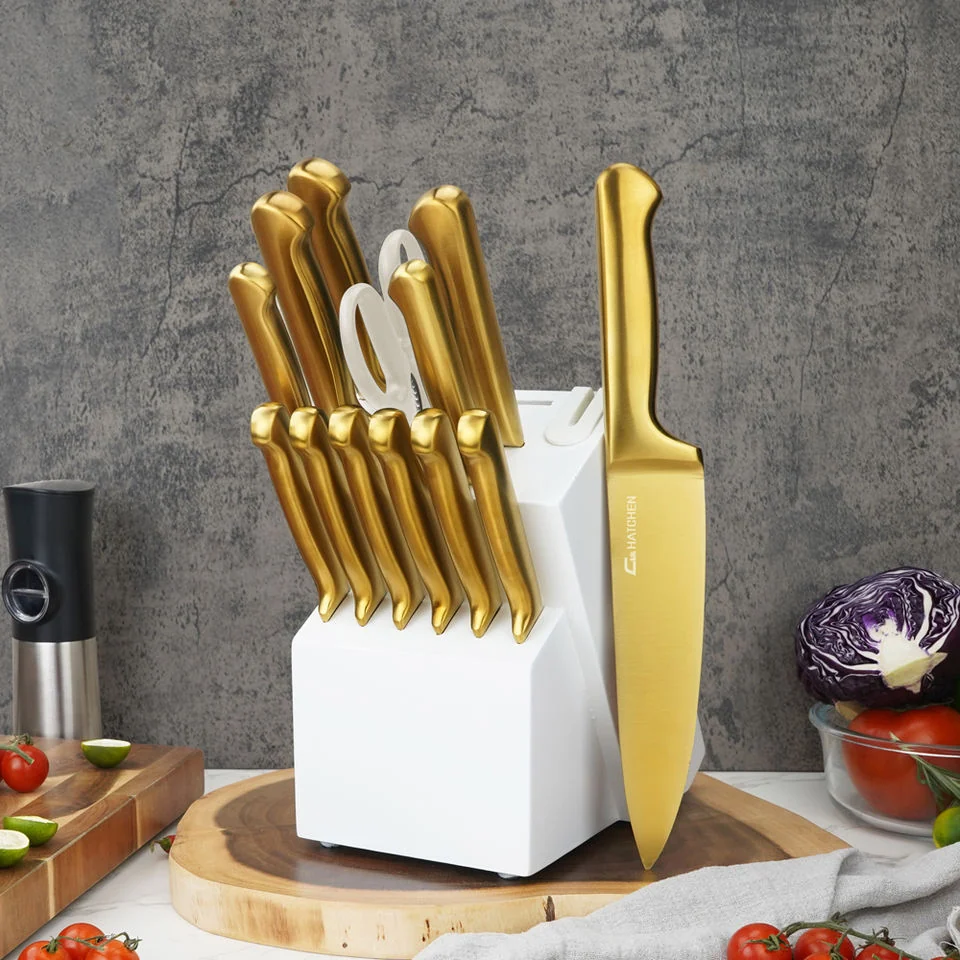
Placing loose blades in a crowded drawer damages their sharpness. Knives bump against other tools and suffer small collisions that dull the steel. Good proper knife storage is important for long blade life. For new culinary setups or retail inventory, it helps to choose built-in storage. For example, a well-organized collection like the SNKnives-016 New Design 14-Piece High Carbon Stainless Steel Kitchen Chef’s Knife Set with Wooden Knife Rack solves this problem directly. This set includes a solid wooden block. The block holds each blade separately. It protects the sharp edges from outside contact and keeps them in good condition between uses.
Which Materials and Tools Help Maintain Sharpness?
Choosing the Right Knife and Cutting Board Materials
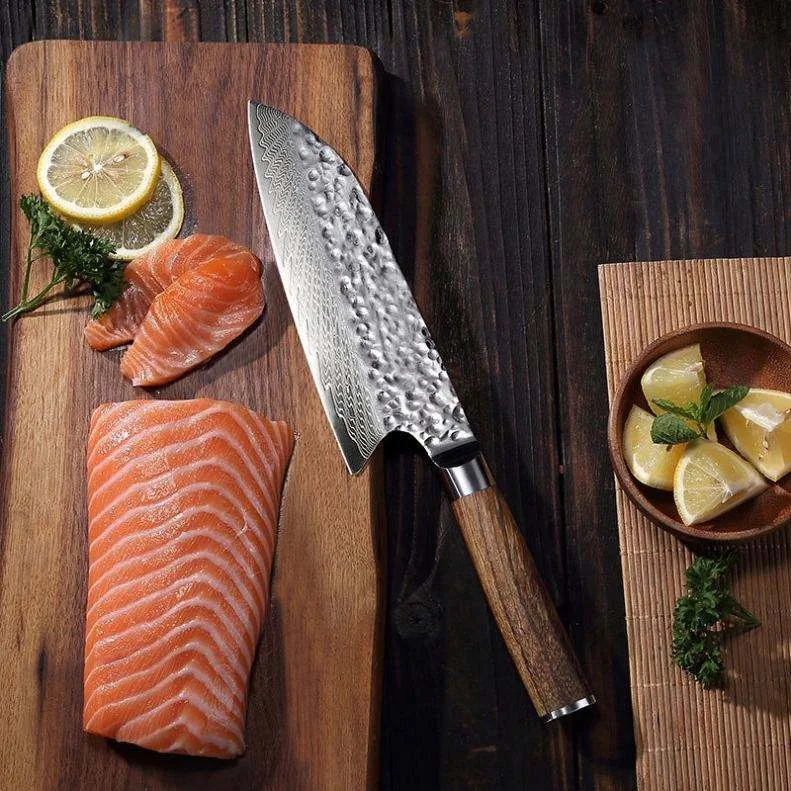
The life of a blade edge depends on the surface it meets. Hard surfaces such as glass, marble, ceramic, or bamboo are tougher than steel. They cause a sharp edge to roll or flatten quickly. Choose end-grain wood or high-density plastic boards instead. These materials give a gentle surface that protects the blade. Material choice also matters for the knife itself. For businesses that source top inventory, the SNKnives-015 Professional 8 Inch Damascus Steel Chef’s Knife with Eco-Friendly G10 Handle shows the value of quality metal. Its layered Damascus steel provides excellent edge retention and resistance to wear. Users enjoy lasting sharpness even during heavy preparation work.
Using Sharpening Stones, Rods, and Pull-Through Devices
Good edge maintenance needs the right equipment. Whetstones give the highest precision. They let users control the exact angle for each steel type. Honing rods work well as daily tools to keep the edge aligned between meals. Manual pull-through devices offer fast touch-ups for home cooks. However, they remove metal less evenly than traditional stones.
How to Troubleshoot Common Knife Maintenance Issues
Handling Chipped or Bent Blades
Sometimes a knife hits a hard bone, frozen food, or the wrong surface. This can create small chips along the edge. You do not need to throw the tool away. A chipped blade can be fixed. Use a coarse-grit whetstone around 400 grit to grind the area carefully until the chip disappears. Then move to medium and fine stones to rebuild the main cutting angle.
Addressing Rust, Stains, and Edge Dulling
Good stainless steel can still get stains or slight rust. This happens if it remains damp in a sink. Create a thick paste by mixing baking soda with water. Put the paste on the mark. Rub it gently with a soft pad. Follow the grain of the steel. Regular inspection and fast drying keep these problems from becoming larger.
Practical Tips for Extending the Lifespan of Your Kitchen Tools
Daily Habits That Keep Tools Sharp Longer
Good daily practices will mean less frequent and intensive sharpening. Clean the knife with a clean towel frequently while preparing food. It becomes more effective when done after chopping items such as lemon, onion, or tomatoes. Such products can cause corrosion to the steel.
Avoiding Mistakes That Damage Kitchen Tools
Never scrape chopped ingredients across a board with the sharp edge of a fine kitchen knife. This side movement rolls the edge immediately. Turn the knife over and use the spine to move food instead. Also, avoid using kitchen cutlery to open boxes or cut non-food items. Packaging materials contain rough particles that dull the blade fast.
FAQ
Q: How often should I perform regular kitchen knife care at home?
A: For good performance, you should use a honing rod before or after every major food preparation session. This keeps the edge aligned. Actual sharpening that removes metal to form a new edge is usually needed every 3 to 6 months. The exact time depends on how often you use your best kitchen knives.
Q: What is the most effective way to wash a high-carbon stainless steel kitchen chef’s knife set?
A: Always hand-wash a high-carbon stainless steel kitchen chef’s knife set with mild dish soap and warm water right after use. Dry the set thoroughly with a towel next. Never put the set in a dishwasher. The high heat and harsh chemicals in the machine cause micro-corrosion. Our global procurement services at SANGNI supply premium collections like the SNKnives-016 set. These collections do well with traditional hand-washing routines.
Q: What are some critical knife sharpening tips to prevent destroying the blade?
A: The most important knife-sharpening tips include keeping the stone wet with water or oil. Hold a steady angle during every stroke. Strop the blade at the end to clear the tiny wire edge. Regular kitchen tool maintenance stops the edge from becoming fully dull. This makes future care much easier.