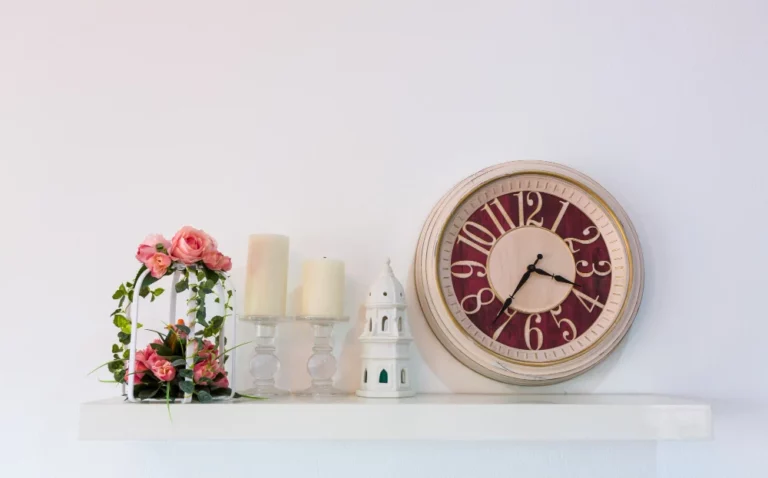

The contemporary shelf clocks market trends 2026 analysis shows a clear change in the category. Clocks are now bought more and more as small home decor items instead of simple timekeeping tools. Digital devices already give the time. So consumers look for practical use, nice appearance, and a good fit with the room. Retailers and sourcing teams should pay attention to larger modern home decor trends in 2026. They should focus on the need for fewer yet more special pieces.
What Is Driving the Growth of Contemporary Shelf Clocks in 2026?
From Timekeeping Products to Functional Decorative Objects
The clock category is moving from pure utility toward functional home decor. A shelf clock can anchor a console. It can finish a bookcase. Or it can serve as a conversation piece on a sideboard without wall installation. This makes decorative shelf clocks useful where buyers want personality but have limited space for large art.
The strongest products balance two jobs. They offer readable timekeeping. They also have a case, dial, color, or silhouette that adds to the room. In 2026, value is measured by how well a clock completes a styling arrangement. It is not measured only by how it shows time.
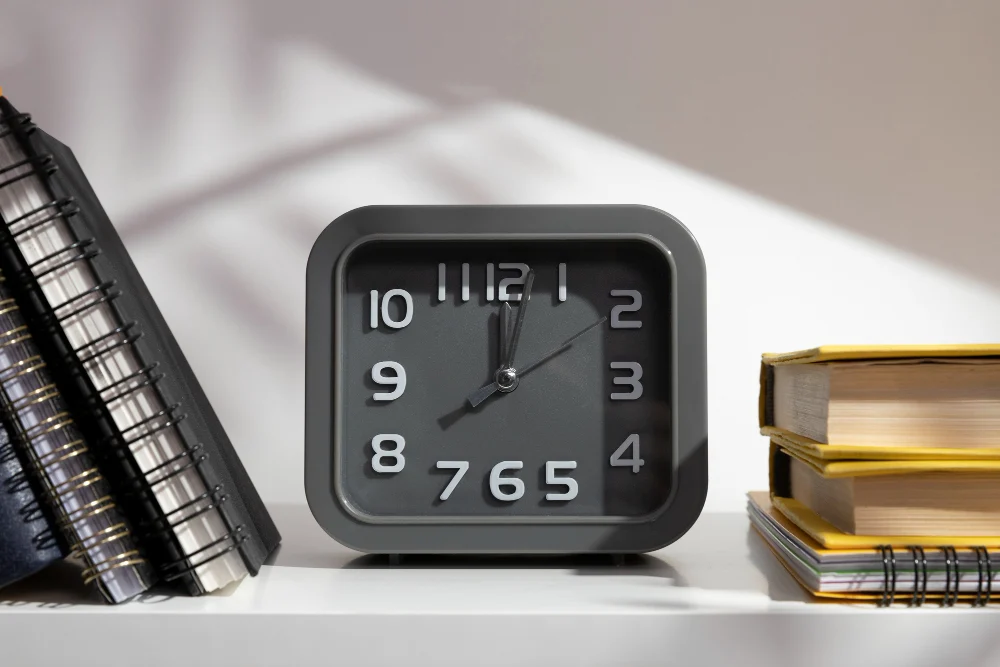
Smaller Living Spaces Increase Demand for Compact Decor
Urban apartments, smaller homes, and multifunctional furniture are changing small-space home decor. Consumers need objects that occupy little surface area. These objects should improve the overall look. A shelf clock can sit beside books, plants, ceramics, framed art, or storage baskets. It does this without taking over.
This creates an opportunity for compact decorative clocks. They need stable proportions and clear placement logic. Retailers can present them for consoles, open shelving, bedside tables, workspaces, and kitchen display areas. This gives customers several uses rather than one fixed location.
What Are the Key Contemporary Shelf Clocks Market Trends in 2026?
Warm Minimalism Replaces Cold Minimalist Designs
One of the clearest modern shelf clock trends is the move from severe minimalism toward warm minimalism. Neutral colors remain important. Yet consumers are responding to softer edges, rounded cases, muted contrast, and natural-looking surfaces.
Warm minimalist clock trends suggest palette options such as beige, charcoal, off-white, muted green, soft terracotta, and warm gray. These tones sit comfortably with wood, woven textiles, ceramics, and painted furniture. The design should remain simple. It should not look visually empty.
Natural Materials and Organic Textures Gain Consumer Interest
Natural material home accessories continue to influence decorative products. Wood-inspired finishes, matte surfaces, tactile cases, and handcrafted-looking details connect a shelf clock with wider sustainable decor trends. A retailer can merchandise it beside mirrors, carpets, vases, baskets, and frames. This approach works better than isolating it as a timekeeping product. SANGNI’s Home Decor range includes clocks, mirrors, carpets, and vases. It supports this broader category approach.
Sculptural Shapes Create More Retail Opportunities
Consumers are also showing interest in curved forms, asymmetrical profiles, layered cases, and artistic silhouettes. Sculptural shelf clocks create visual interest. They still keep a practical role. They sit between a functional accessory and a small art object.
A balanced assortment may include one restrained round design. It can have one soft geometric form. It should also offer one expressive option. This lets buyers test artistic demand without abandoning everyday usability.
How Are Consumer Preferences Changing the Shelf Clock Market?
Buyers Prefer Personalized Interior Styling Over Matching Sets
Personalized home decor trends are moving shoppers away from perfectly matched furniture sets. Many now build interiors from mixed objects. These objects have different materials and stories. A shelf clock can connect them through a repeated color, contrasting shape, or practical function.
This makes curated shelf styling more important than selling one isolated product. Retailers should show how a clock works with books, plants, ceramics, photographs, and small lamps. The buying decision often depends on whether it supports a coherent room story.
Quiet and Comfortable Living Influences Product Selection
Quiet homes, bedrooms, and work areas are shaping silent decorative clock trends. Buyers may look for quiet operation, restrained contrast, and a design that supports peaceful home design. They want to avoid unnecessary stimulation.
For a relevant adjacent example, SANGNI offers the SZZ0099 Modern Minimalist Plastic Silent Wall Clock. It is presented with subtle hour indicators, silent movement, a 30 cm diameter, and a simple hook mechanism. It is a wall clock rather than a shelf clock. Still, its quiet, reduced visual language illustrates the kind of comfort-focused expectation. This expectation can influence nearby clock categories.
What Product Opportunities Should Retailers Consider in the 2026 Shelf Clock Market?
Multi-Style Collections Help Brands Reach Different Customer Segments
Retailers should avoid building an assortment around one design language. A three-part collection could include minimalist, vintage-inspired, and artistic pieces. This creates shelf-clock product opportunities across customer segments and room styles.
The collection should still share practical standards. These include stable bases, readable faces, proportionate dimensions, and easy-to-merchandise finishes. Visual variety works best when customers understand the role of each style immediately.
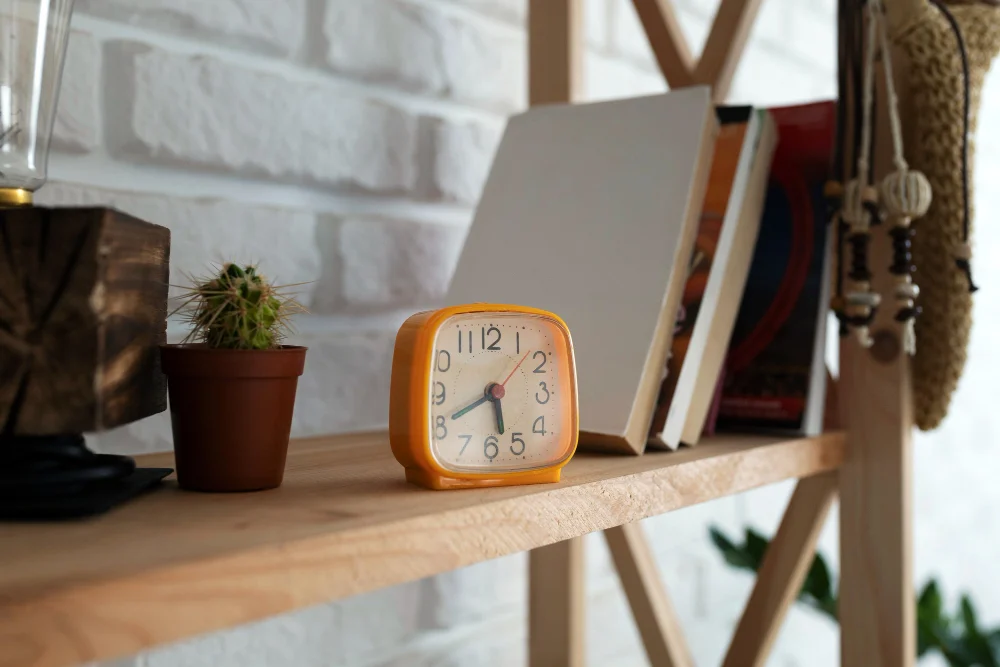
Flexible Sourcing Supports Faster Market Adaptation
Shelf clock sourcing trends favor buyers who can test several directions before committing to a large assortment. A flexible sourcing partner can compare supplier capabilities. It can coordinate samples. It can review packaging needs. It can also organize quality checkpoints.
SANGNI supports supplier discovery, capability evaluation, and sample coordination. Our broader Home Decor scope includes clocks, mirrors, carpets, and vases. This allows brands to consider shelf clocks within a wider collection rather than as a standalone purchase. The SZZ0098 Modern Metal Wall Clock Silent Non-Ticking Decor is another verified adjacent example. It is described with a simple frame, clear numbering, durable metal material, and silent non-ticking movement.
How Can Businesses Prepare for Contemporary Shelf Clocks Market Trends in 2026?
Focus on Trend Forecasting Before Product Selection
Trend forecasting should happen before final product selection. Buyers can compare regional preferences. They can test colors and silhouettes. They can collect channel feedback before scaling inventory. This reduces the risk of overstocking styles that look current briefly but do not fit the wider assortment.
Separate durable signals from short-lived details. Warm neutrals, compact proportions, quiet operation, and adaptable styling are more useful portfolio signals. They matter more than one viral color or novelty shape.
Build Product Portfolios Around Long-Term Home Trends
The strongest contemporary shelf clocks market strategy connects short-term relevance with long-term usability. Timeless proportions, adaptable finishes, sustainable materials, and clear positioning help a clock remain useful as rooms change. Buyers should evaluate whether a design can move between living rooms, bedrooms, offices, and retail displays.
For brands developing a broader home decor sourcing strategy, SANGNI’s SZZ0130 Modern Minimalist Decorative Wall Clock for Home Office provides a verified adjacent reference. It has a modern minimalist design, clear numbers, a metal frame, a PP face, metal hands, and home-office relevance. Our service scope also includes pre-production verification, in-process checks, final product evaluation, packaging review, loading oversight, warehousing, and international logistics coordination. These steps help buyers connect trend selection with practical purchasing management and quality control.
FAQ
Q: What are the main contemporary shelf clocks market trends in 2026?
A: The main trends are warm minimalism, natural-looking materials and textures, sculptural forms, personalized styling, compact proportions, and quiet functional decor. Retailers should combine them with clear use cases.
Q: Are contemporary shelf clocks still popular in modern home decor?
A: Yes. Their role has shifted from a primary timekeeping product to a decorative object with a useful function. A shelf clock can add scale, rhythm, and personality to a console, bookcase, sideboard, or workspace.
Q: How do contemporary shelf clocks fit into small living spaces?
A: They occupy limited surface area and work with books, plants, ceramics, framed art, and storage pieces. This suits apartments, multifunctional furniture, entry consoles, and compact work areas.
Q: What styles of contemporary shelf clocks are popular in 2026?
A: Minimalist, organic, sculptural, and retro-inspired styles are relevant. Warm neutrals, curved or asymmetrical forms, matte finishes, and handcrafted-looking details help a collection address different preferences.
Q: How can retailers choose contemporary shelf clocks for 2026 markets?
A: Start with regional preference research. Test silhouettes and finishes. Define customer segments. Avoid one short-lived style. Supplier planning should also cover samples, procurement coordination, packaging, quality control, and logistics.