
Many skirting board installation problems are created before an installer opens a box. Incorrect material selection, incomplete dimensions, unclear fixing requirements, poor storage, and late specification changes can produce gaps, warping, adhesive failure, or costly rework. Buyers can prevent them by treating the product, environment, and supply chain as one specification.
Why Installation Mistakes Often Start at Procurement
Installation teams work with the product and information they receive. If a buyer confirms only the appearance, the installer must make assumptions about material, dimensions, finish, fixing method, and environment. That may be acceptable for a small renovation but risky for a hotel project or commercial building with repeated rooms and a fixed handover schedule.
The procurement brief should connect design intent with installation requirements: room type, floor and wall conditions, moisture exposure, quantity, packaging needs, and batch acceptance standards.
Specification Gaps Between Buyer and Installer
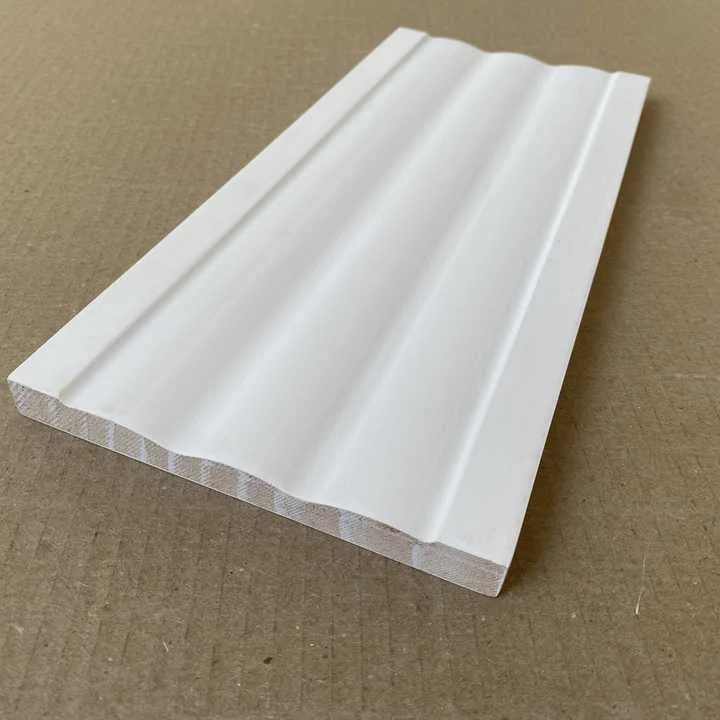
A buyer may request a white wall base trim with a particular profile, while the installer needs exact information before cutting and fixing. Confirm thickness, width, length, corner treatment, surface finish, joint method, fixing method, and the approved finish reference.
The required specification changes by application. Hotels may need repeatable dimensions and room-by-room packaging; residential renovation may prioritize profile matching and easy cutting. A custom skirting board order should translate these needs into an approved drawing, sample, and written specification.
SANGNI can support supplier discovery, capability evaluation, and sample or prototype coordination before full-scale production.
Unrealistic Cost Expectations
The lowest purchase price is not the lowest project cost. Uneven thickness, inconsistent lengths, rough finishing, weak packaging, or missing installation information can increase cutting and adjustment work. Replacement after flooring or painting is complete can exceed the original material savings.
Compare a skirting board supplier on consistency, sample approval, inspection scope, packaging, handling, replacement risk, and communication. The quotation should state what is included.
Product Selection Mistakes That Cause Skirting Board Installation Problems
Material choice should follow the environment and installation method, not only the profile or color. A decorative skirting board may look correct in a sample but still be unsuitable for the room or planned adhesive.
Warped Boards and Length Inconsistency
Warped skirting board sections are difficult to align against a wall. Length inconsistency creates visible joints, uneven corners, and extra cutting. Common risks include unstable material quality, poor manufacturing control, and incorrect storage.
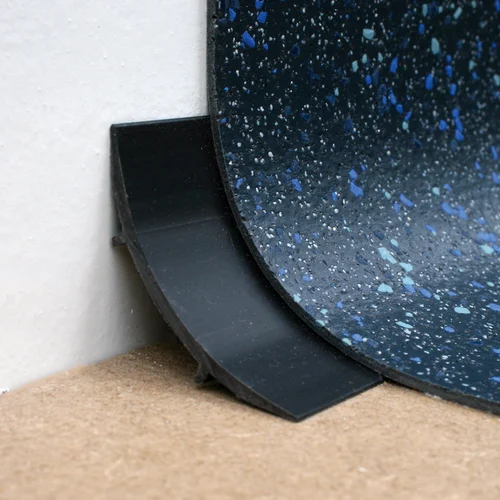
For moisture-exposed areas, a PVC skirting board can be considered when moisture resistance is a priority. SANGNI’s SNSkirting Board-007 is a self-adhesive PVC skirting board roll for floor accessories and indoor or commercial installations; performance still needs project-specific confirmation. A PS skirting board can suit buyers who value light weight, smooth finishing, and simple cutting. SANGNI’s SNSkirting Board-006 is described as a lightweight polystyrene wall-base product for residential and commercial spaces, with resistance to moisture, warping, and cracking stated in its product description.
Our SNSkirting Board-005 is a PS skirting board for furniture raw material and decorative interior applications.
Before a bulk skirting board order, request representative samples and define acceptable variation for length, thickness, profile, color, and surface finish.
Poor Adhesion Performance
Adhesive failure is not always a product defect. It can result from unsuitable adhesive, a dusty or uneven wall, residual moisture, incompatible surface treatment, insufficient curing time, or inadequate fixing pressure.
Confirm the installation method, wall preparation, adhesive compatibility, and whether the product has adhesive backing. A self-adhesive format still needs a clean, dry, stable surface.
Environmental Factors Ignored During Selection
Room conditions can change suitability. Consider humidity, temperature changes, cleaning routines, impact exposure, and substrate condition.
Humidity and Temperature Effects
Bathrooms, kitchens, and basements deserve closer attention to moisture exposure. PVC may be practical when moisture resistance is a priority. Waterproof MDF skirting boards may be considered only when product data and construction support that use; not every MDF board is waterproof.
Dry indoor spaces may allow PS or wooden skirting boards when appearance and substrate are suitable. Also consider movement, ventilation, cleaning, and maintenance.
Storage Conditions Before Installation
Even a correctly specified product can be damaged before it reaches the wall. Store boards flat on a stable surface, protect them from direct moisture, keep edges from being crushed, and avoid heavy loads on finished faces. Inspect the shipment before cutting.
Check for deformation, scratches, moisture damage, broken corners, and inconsistent lengths. Photograph and separate questionable pieces before installation.
Communication Failures Across Supply Chain
The quotation is only one part of a successful installation. Buyers, suppliers, quality teams, logistics providers, and installers need the same approved information.
Missing Installation Guidelines
Do not request only a price. Ask for installation method, fixing instructions, surface preparation, joint guidance, cleaning limits, and maintenance information.
SANGNI’s sourcing and quality coordination can help buyers discuss requirements, samples, supplier communication, and inspection expectations before shipment. Review the Product Sourcing service when a project requires supplier matching and requirement coordination.
Late Specification Changes
Changing size, color, profile, labeling, or packaging after production starts can create mixed batches and delays. Confirm drawings, samples, dimensions, finish, carton marks, quantity, and packaging before releasing a bulk skirting board order.
Use written change control. Every revision should identify what changed, which batch is affected, who approved it, and whether old materials can still be used.
How SANGNI Reduces Installation Risks for Buyers
SANGNI supports buyers as a sourcing and coordination partner. Our role can include supplier discovery, product development coordination, quality control, warehousing, shipping, and after-sale support around project requirements. It does not replace the buyer’s installer or site inspection.
SANGNI’s building supplies range includes skirting boards and other finishing materials, including PVC/WPC/MDF wall panels and crown moldings. SANGNI’s services cover product sourcing, product development, quality control and assurance, warehousing, shipping, and after-sale support around project requirements.
Installation-Oriented Product Guidance
An installation-oriented discussion starts with the application: residential renovation, hotel rooms, offices, retail areas, or another project type. Share room conditions, profile, dimensions, finish, fixing method, quantity, packaging, and timing. SANGNI can help match the requirement with supplier and product options and coordinate samples.
For a project comparing PVC, PS, MDF, and wooden skirting board, document the decision as a requirement matrix. Record moisture exposure, finish, cutting method, substrate, adhesive plan, inspection points, and replacement needs. This makes building material sourcing easier to review.
For product identity and profile review, buyers can also inspect the SNSkirting Board-006 polystyrene wall-base product. The final specification should still be approved against the project environment, installation method, and accepted sample.
Clear Technical Documentation
Technical documents should bring together the approved sample, specifications, drawings, finish reference, installation method, packaging details, and inspection expectations. SANGNI’s coordination scope includes pre-production verification, in-process checks, final product evaluation, packaging review, and loading oversight. Review the Quality Control & Assurance service for quality coordination before dispatch.
SANGNI’s coordination scope can include pre-production verification, in-process checks, final product evaluation, packaging review, loading oversight, warehousing, and international logistics.
FAQ
Q: What are the most common Skirting Board installation mistakes?
A: The most common mistakes are unsuitable material, incomplete dimensions, poor substrate preparation, incompatible adhesive, incorrect storage, and late specification changes. Confirm the environment, profile, size, finish, fixing method, and installation instructions before ordering.
Q: How do buyers choose the right skirting board material?
A: Compare humidity, temperature, cleaning, impact exposure, design, installation method, and budget. PVC skirting board may suit moisture-sensitive areas, while PS skirting board can suit lightweight decorative applications. MDF skirting board and wooden skirting board require product-specific confirmation.
Q: Why do skirting boards warp after installation?
A: Warping may follow moisture exposure, poor storage, unstable material quality, substrate movement, or an unready surface. Inspect boards on receipt, store them flat and dry, and confirm material suitability before fixing.
Q: What information should buyers confirm before ordering bulk skirting boards?
A: Confirm material, profile, thickness, width, length, finish, color, corner details, fixing method, packaging, quantity, inspection requirements, and installation guidance. Approve a sample before releasing the order.
Q: Can SANGNI help buyers source customized skirting boards?
A: Yes. SANGNI can support supplier matching, sample coordination, product development discussions, quality control, packaging review, warehousing, logistics, and after-sale support. Provide the application, drawings, specifications, finish, quantity, and project requirements.