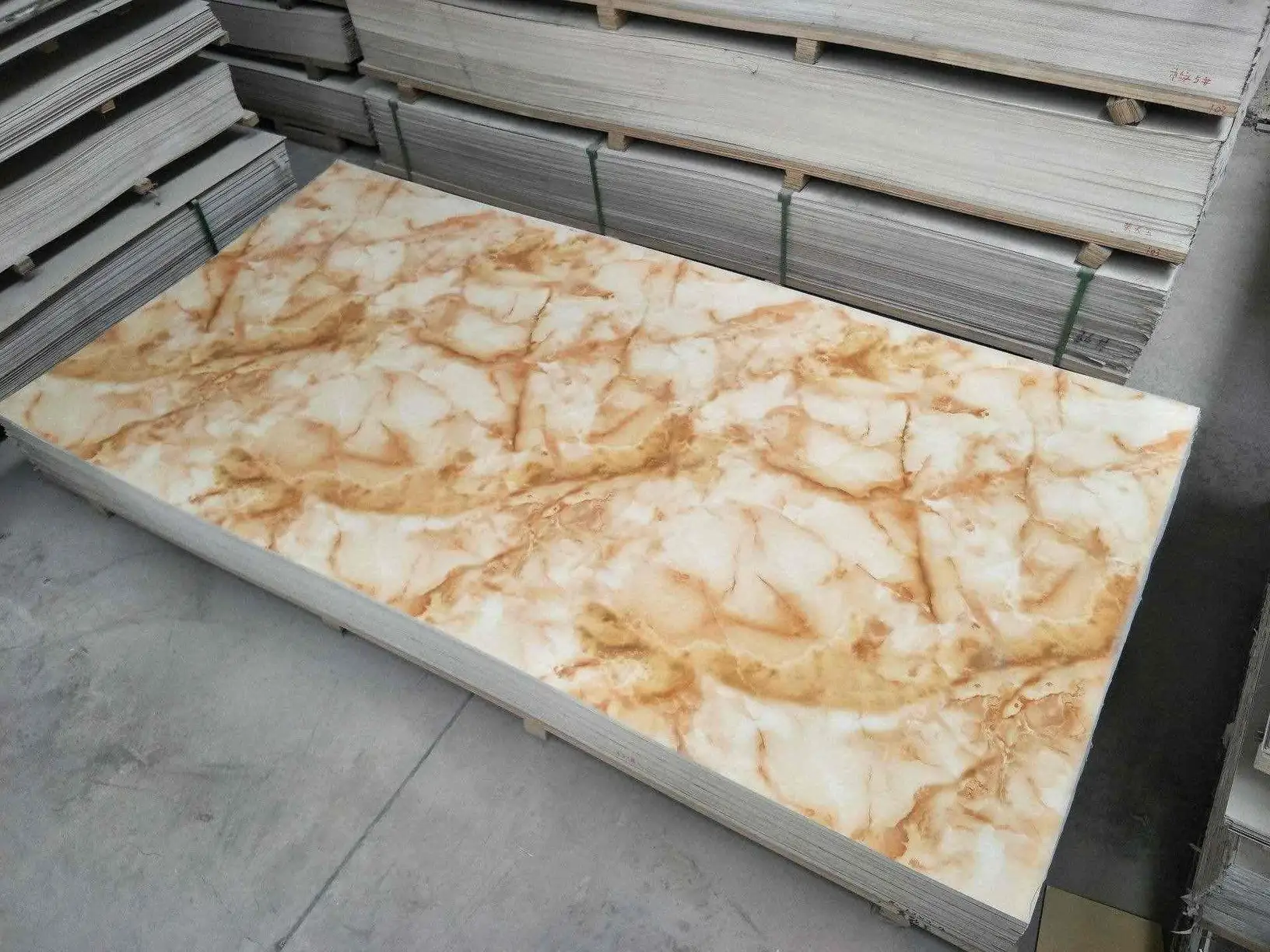

Put the cutting layout beside the freight quotation before comparing UV board panel sizes. Does the cheaper sheet leave an unassigned strip? Does its pack require more shipping space? Carry both answers into the purchase calculation. Sheet price alone leaves those costs unresolved. Use the project measurements to count finished pieces, then compare what each option costs to deliver. Compare the quoted formats using those costs and the finished piece counts.
Start With Finished Parts, Not a Standard Sheet Size
Build a cut list from actual installation dimensions
Give each finished panel a row, with width, height, quantity, and visible finish direction. Which rows need openings, narrow returns, or exposed edges? Mark those first. Which measurements already include trimming or joint allowances? Have the installer identify them before the cutting layout is drawn. Retain the wall measurements beside the production dimensions, with a column for revisions. When a measurement changes, revisit the order: does the revised layout need more sheets?
Confirm which dimensions the supplier is quoting
Which measurement does the quotation give: nominal board size, usable face after edge trimming, or packed size? Record the supplier’s answer alongside thickness, size tolerance, cutting allowance, and chosen finish format; obtain written confirmation before proceeding. UV boards and carbon crystal boards are extruded wood-plastic composite boards. Possible surface laminates include PVC, PP, or PET-G. Ask which of these finishes is available for the board size under discussion; do not assume interchangeability here. At SANGNI, we can coordinate supplier discovery and samples for checking the board and finish before ordering.
Compare UV Board Panel Sizes by Cutting Yield
Calculate usable pieces per sheet
Inside each candidate sheet outline, place the parts. Where will saw kerf and edge trimming fall? Can a piece rotate without changing the specified finish direction? If not, keep its orientation fixed on every layout. An area calculation alone misses that restriction. How many complete pieces fit? Divide the required quantity by that count, then round up to whole sheets. Use identical allowances when drawing the next format so the comparison measures the size difference.
Classify offcuts before calling them waste
Find a scheduled part for the offcut. Will its dimensions work with the required finish direction and edge condition? Put that part reference on the strip before counting it. Without an assigned part, count that strip as waste. Compare the remaining strips across the entire part schedule. Does the larger board remove a joint but leave an unusable width? Does the smaller format require more sheets yet fit the parts better? One wall cannot settle that comparison alone.
Translate Sheet Yield Into Total Material Cost

Price the number of sheets actually needed
Set board specification, finish, quantity, cutting service, packing, and delivery terms beside each quotation. Are any entries different? Resolve differences first. Then multiply sheet price by the cutting plan’s whole-sheet count; add supplier cutting and edge finishing charges. Enter the allowance for breakage or site changes separately from cutting yield. How much risk can the project accept? Set the allowance accordingly. Recheck sheet counts against price: if the cheaper format needs extra sheets, compare that cost before accepting its apparent saving.
Test the sensitivity of the decision
Copy the confirmed cut list and change parts to represent a plausible revision. Recalculate the sheet count. Does the preferred format still cost less? Our sourcing work includes discovering suppliers and evaluating their capabilities, certifications, and alignment with required standards. We can coordinate samples and prototypes before full-scale production. Supplier capability evaluation and sample coordination serve different stages: the former reviews the supplier, while the latter provides samples or prototypes ahead of production. Check the assumptions against the sample.
Check Freight Costs Against the Packing Plan
Request packed measurements and handling details
Our service scope includes verification before production, checks during production, and evaluation of the finished product. Packaging review and loading oversight are also included. Beyond those checks, we can coordinate the design of packaging, warehousing arrangements, and international logistics. The order still needs packed measurements and loading plans. A wall panel category helps identify the product category. Obtain the order-specific packing plan before calculating the shipment requirements.
Compare delivered cost per usable part
Our warehouse and shipping coordination includes international logistics, packaging review, and loading oversight. Send the supplier's packed dimensions and shipment terms with each freight enquiry. What is the total for material, cutting, freight, and packaging? Divide it by usable finished piece count. Then check the destination: can the longer sheet be lifted, stored, and moved through the available access? A cutting layout may favour that format while the handling or shipping quotation favours another. Compare their delivered costs before approving the proposed size for purchase.
Approve the Size With a Documented Trial
Validate a sample cut and visible finish
Take the proposed sheet format through a representative cut before approving bulk quantities. Do the parts fit at joints? Inspect face orientation and exposed edges; test the offcut plan too. For a UV carbon crystal surface, ultraviolet light cures a liquid resin coating into a transparent protective layer. That describes the construction. Compare the specified finish with the sample: will its appearance be acceptable? Ask the supplier; this description guarantees no performance. Record the accepted sample and its measured dimensions.
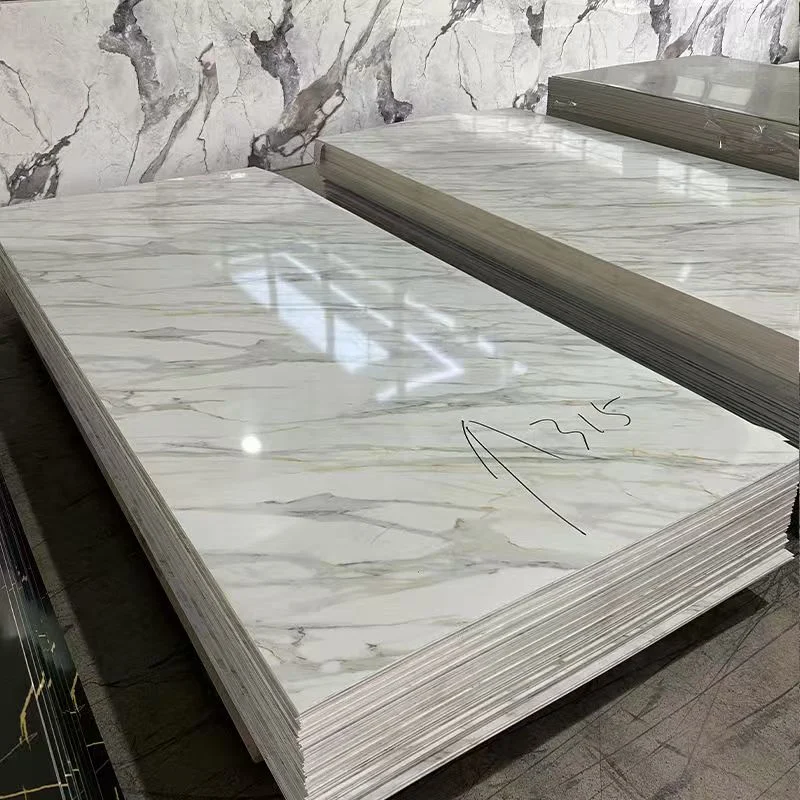
Freeze a purchase and packing checklist
Enter the accepted sheet dimensions and tolerance, finish, quantity, trimming allowance, cutting responsibility, packing configuration, and delivery terms on the order. Does the attached cut layout identify reusable offcuts? Do those references match? Will production match the approved sample? Obtain confirmation directly from the supplier. Review board specifications with product sourcing support and warehouse and shipping coordination: who will handle each part of the order? Retain the comparison with the order; selecting a format cannot guarantee waste reductions or freight savings.
FAQ
Q: What UV board panel size creates the least cutting waste?
A: Draw the finished part list on each available size, including cutting allowances and finish direction. Can the offcuts serve other scheduled parts? Count usable pieces per sheet from those layouts before choosing.
Q: Are larger UV board panels always cheaper to ship?
A: No. Obtain packed dimensions and a freight quotation for each option. Check the handling quotation against freight charges and sheet counts. What does each usable part cost to deliver?
Q: How should buyers calculate UV board cutting waste?
A: Count the whole sheets required by a practical cut layout, then distinguish offcuts assigned to real parts from unusable strips. Include trimming and saw kerf in the layout.
Q: Does UV board thickness affect freight cost?
A: Request the pack’s sheet count, gross packed weight and dimensions. How does the thickness change those figures? Thickness can change those figures; use them when comparing the freight quotations.
Q: What should an order for custom UV board panel sizes specify?
A: State the confirmed sheet dimensions and tolerance, finish, quantity, cutting responsibility, packing configuration, and delivery terms. Approve a representative sample when appearance or cut fit matters.