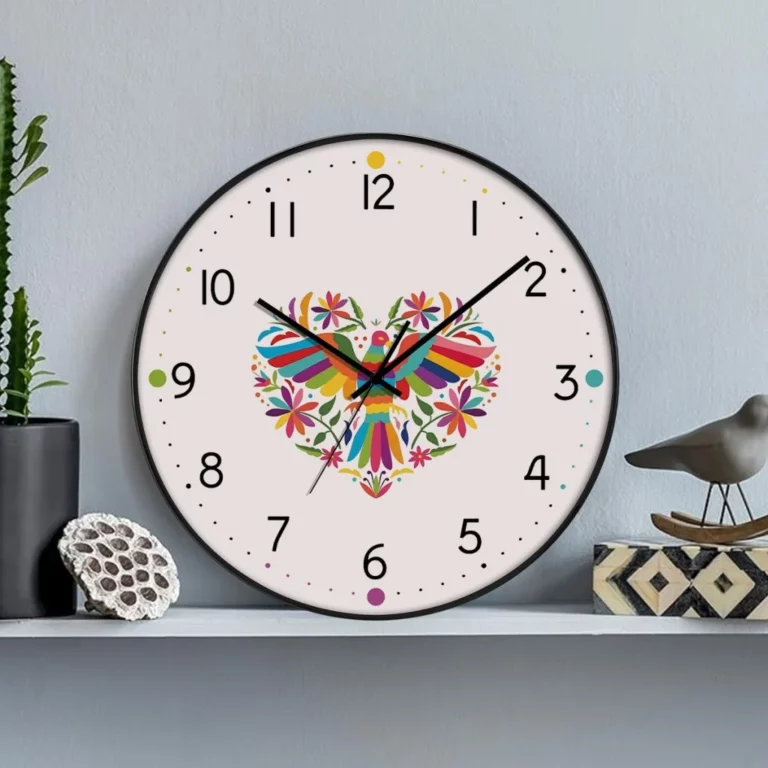

A minimalist clock should make time easy to read. It should keep the room calm to look at. The right choice depends on its use, wall size, lighting, furniture, and the other details already in the space. Pick a clock that blends into the decor when the wall needs a softer center of attention. Pick one with stronger contrast when time must show up right away.
Why Is a Minimalist Clock Becoming an Important Part of Modern Home Design?
Minimalist Clocks Combine Everyday Function with Decorative Value
A clock is not limited to a basic role anymore. On a blank wall, it can add rhythm, size, and balance. It does this without needing another decorative item. A minimalist clock therefore works as functional decor. It gives the household a useful time reference. At the same time, it adds shape and personality.
The best designs simplify instead of taking away. A clear face, simple numbers, a thin frame, or a basic digital display shows the time. It does this without filling the wall with extra details.
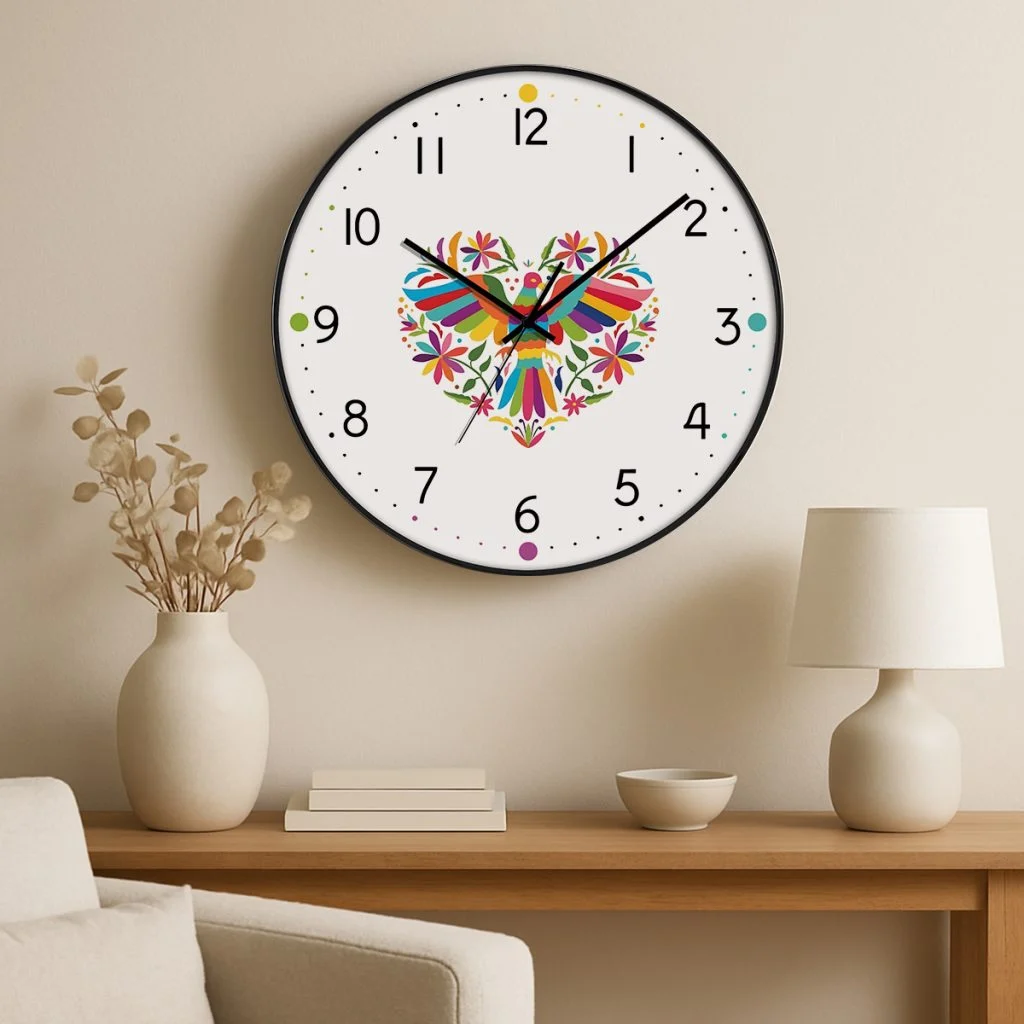
Simple Clock Designs Create a More Balanced Interior Atmosphere
Visual simplicity lowers the clash between the clock and art, shelving, plants, or lighting. It fits modern, Scandinavian, Japandi, and other interiors built around open space and controlled contrast.
The minimalist clocks do not always have to be plain white or without numbers. What matters is the hierarchy of importance. The face, hands, border, or screen must be clearly comprehensible. Some carefully chosen elements can lend warmth. Excessive color use, labeling, or effects are distractions.
How Can You Choose the Right Minimalist Clock for Different Rooms?
Choosing a Minimalist Clock for Living Rooms and Open Spaces
For a living room, start with the wall rather than the clock. A large sofa, media wall, or open area needs enough clock presence. This helps it become part of the overall look. Too small and it disappears above furniture. Too large and it competes with artwork.
Relate the clock to the sofa and nearby frames. A round analog clock softens straight furniture lines. It creates a center of attention. A digital display suits a compact contemporary room when quick readability matters.
Selecting a Minimalist Clock for Bedrooms and Relaxing Areas
A bedroom needs a quieter visual and acoustic experience. Choose a minimalist clock for bedroom use with a simple face and restrained contrast. It should have no unnecessary glow. If ticking is distracting, check for silent movement. If darkness matters more than the absence of a dial, choose a digital clock with dimmable brightness.
SANGNI’s SZZ0099 Modern Minimalist Plastic Silent Wall Clock is a verified analog-style example with silent movement, subtle hour indicators, a 30 cm diameter, and a simple hook mechanism for quiet rooms.
Finding the Right Minimalist Clock for Home Offices and Study Rooms
Home offices and study rooms need fast orientation. They should avoid another busy interface. A minimalist clock for home office use should read clearly from the normal working position. It must not compete with the monitor, task lighting, or wall notes. An analog face can make the space feel less screen-heavy. A digital option helps when schedules or timers must be checked instantly.
Consider mounting height and viewing angle. Behind a monitor, a low-contrast face may frustrate. In the side field of vision, a restrained design can provide time awareness. It does this without pulling attention away from work.
What Minimalist Clock Styles Work Best with Different Interior Themes?
Scandinavian Minimalist Clocks for Natural and Bright Interiors
Scandinavian rooms benefit from light, open compositions and a small number of useful objects. Choose a Scandinavian minimalist clock with a clear face and soft neutral contrast. Pick a finish that sits beside pale wood, woven textiles, and simple furniture. A narrow frame preserves an airy feeling. Modest dark details define a bright wall.
If the room uses natural textures, a glossy or high-tech display may feel abrupt. A quiet analog design or softly framed digital clock is easier to integrate when warmth matters.
Modern Minimalist Clocks for Contemporary Homes
A modern minimalist clock works well with clean lines, neutral colors, metal accents, and architectural furniture. Strong contrast, a geometric frame, or a controlled digital display can reinforce the room’s structured character.
For a metal analog option, SANGNI’s SZZ0098 Modern Metal Wall Clock Silent Non-Ticking Decor is described with a simple frame, clear numbering, durable metal material, and silent non-ticking movement. Those characteristics support a modern wall-decor role in living rooms, bedrooms, kitchens, and offices. They do this without requiring an elaborate decorative arrangement.
Japanese-Inspired Minimalist Clocks for Calm Living Spaces
Japanese-inspired interiors depend on restraint, negative space, and visual rhythm. Choose a clock that is easy to understand but quiet in appearance. It should have a simple dial, muted finish, or reduced display. Leave enough empty wall around it. This keeps it part of the overall composition.
This style suits bedrooms, reading corners, and relaxing areas. Too many markers, bright colors, or visible controls can break the calm effect.
What Factors Should You Consider Before Choosing a Minimalist Clock?
Match Clock Size with Wall Space and Room Proportion
Size is a composition decision. It is not only a measurement. A small clock may look accidental on a broad living-room wall. It looks appropriate above a desk or beside a doorway. Compare it with the furniture below, nearby art, and the main viewing distance.
Mark the proposed diameter with removable tape or paper. Check it from the doorway and the seat where it will be read most often. This shows whether the clock has enough presence. It also confirms it remains legible.
Consider Materials and Colors That Fit Your Home Style
Material changes perceived weight. Metal can feel architectural. Plastic can feel light and easy to coordinate. Wood-look details can add warmth to Scandinavian or Japandi rooms. Color affects readability too. A calm palette works only when hands, markers, or numerals remain distinct.
Repeat a tone already present in the room rather than adding an isolated accent. The clock will remain easier to keep when furniture, wall paint, or artwork changes.
Choose Designs That Stay Relevant Beyond Short-Term Trends
Home decor is a long-use purchase. So evaluate the clock after the trend effect wears off. Ask whether its proportions, readability, and material will still work if the room is repainted or rearranged. A restrained frame, clear display, and simple setup usually outlast excessive novelty.

How Are Minimalist Clocks Becoming a Growing Category in Global Home Decor?
Brands Are Looking for Flexible Home Decor Products with Wider Appeal
For home decor brands, a clock sits between a functional item and a decorative accessory. It can be styled in living rooms, bedrooms, offices, and kitchens. Different faces, materials, and display modes address different markets. Offer clear choices. These include quiet analog wall decor for calmer rooms, direct digital displays for task-led spaces, and adaptable finishes for different palettes.
Reliable Sourcing Helps Brands Develop Better Home Decor Collections
SANGNI’s Home Decor range includes Clocks, mirrors, carpets, and frames. Brands can discuss clock sourcing as part of a broader collection. We support supplier discovery, capability evaluation, and sample coordination before full-scale production. The SZZ0130 Modern Minimalist Decorative Wall Clock is one verified analog-style example for home-office and living-room use.
Our service scope includes pre-production verification, in-process checks, final product evaluation, packaging review, loading oversight, warehousing, and international logistics coordination. This keeps product requirements, packaging, and shipment planning connected.
FAQ
Q: How do I choose the right minimalist clock style for every room?
A: Start with the room’s main need. Choose analog when the clock should blend into decor. Choose digital when time must register instantly. Select silent movement when ticking is distracting. Pick non-illuminated or dimmable display options when bedroom light is sensitive.
Q: What size minimalist clock works best for a living room?
A: Choose a size that relates to the sofa, wall width, and viewing distance. Use paper or tape to test the diameter from the doorway and the main seating position before installing the clock.
Q: Is a minimalist clock suitable for a bedroom?
A: Yes. Select a simple, quiet design with no unnecessary glow. A silent analog clock suits people sensitive to display light. A digital option should be dimmable enough for sleeping conditions.
Q: How can a minimalist clock match different home decor styles?
A: Match its frame, dial contrast, material, and color to the room’s existing furniture and visual rhythm. Scandinavian rooms favor light and natural cues. Modern rooms suit clean contrast. Japanese-inspired rooms need more negative space.