
Why Are Minimalist Clocks Becoming a Home Decor Trend in 2026?
In the old days, watches were compact and functional. In 2026, these devices will become a part of a bigger trend towards peace, simplicity, and tasteful decoration. The amount of visual distractions decreases, fewer decorations and more light colors and useful features are used, but still giving the feeling of personal touch. That is why choosing the best minimalist clocks for home in 2026 is such a relevant task for those who want to renovate their room.
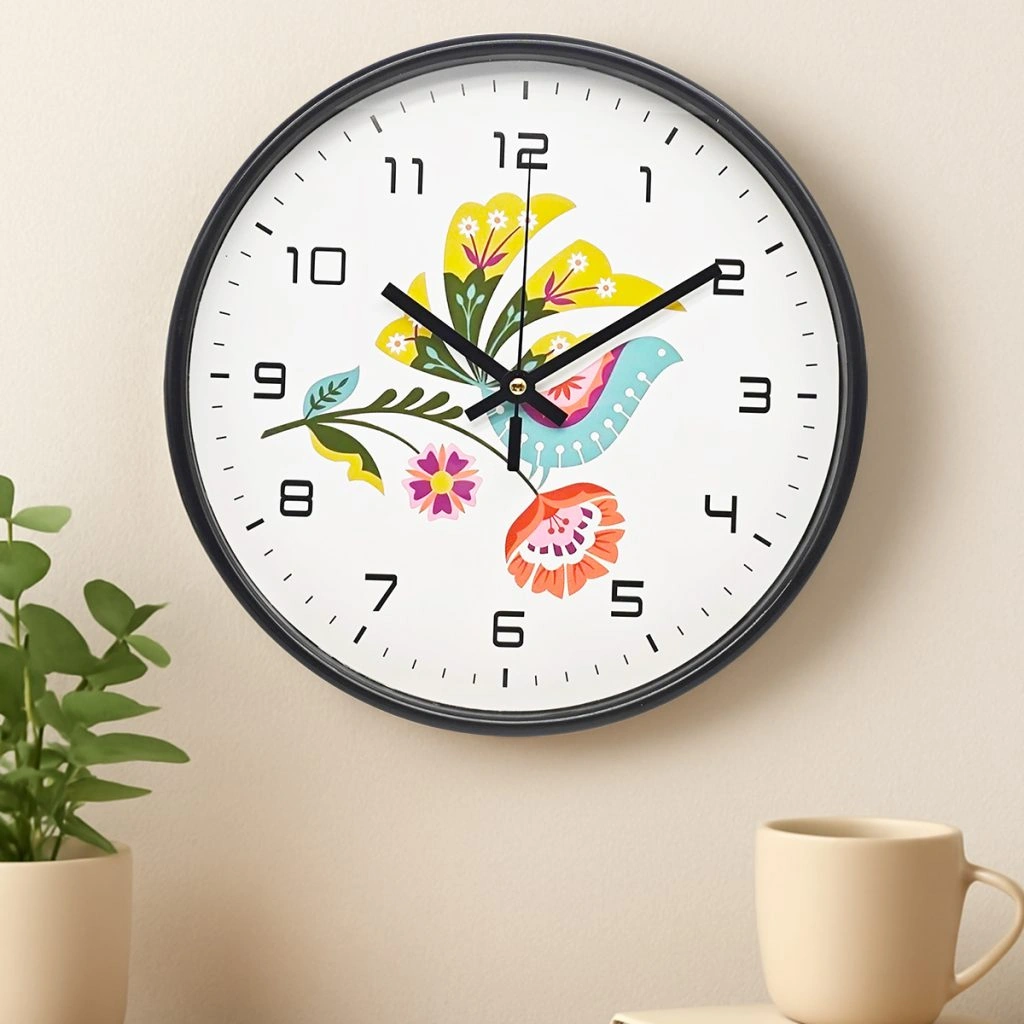
A minimalist clock shows the time. It anchors a wall and supports the mood of a space. Unlike large artwork or crowded shelves, it does not pull too much focus. It gives the wall a clear center. At the same time, it keeps the room open and airy.
Why are wall clocks returning as decorative focal points?
Interior design in contemporary homes is normally characterized by large blank walls, open-plan interiors, and minimal furniture. However, in order to make such an interior complete, it should have an appropriate accent. The minimalist wall clock 2026 trend will help you create the required ambiance in your interior. It adds the room form, rhythm, and symmetry.
How does analog timekeeping support calmer modern living?
A lot of individuals need less time staring at screens at home. An analog watch at home will enable individuals to tell time without picking up their phones. This simple practice plays an important role in sleeping rooms, reading nooks, kitchens, and study rooms. It is not about nostalgia but being mindful of daily tasks.
What Defines the Best Minimalist Clocks for Home in 2026?
Good minimalist clocks for home 2026 will not simply be minimalist clocks. Design of a minimalist type is characterized by the elimination of anything unnecessary and the keeping of anything that enhances usability. Ideally, a clock should be legible, well-proportioned, and easily combinable with any interior.
Clean dial design: when less detail improves readability
A clean dial makes a clock easier to read from a distance. Simple hour markers, clear numbers, or a numberless face can all work depending on the room. For example, a kitchen or office may need clear numerals. A living room can use a more decorative minimalist home decor clock with subtle markers.
Silent or non-ticking movement: why quiet design matters more now
Noise has become an aspect of design to consider. While a clock can be designed to be aesthetically appealing, noise from its ticking can prove disruptive when placed in a bedroom or study. A silent clock is especially useful in rooms where people sleep, work, read, or relax. The SZZ0130 Modern Minimalist Decorative Wall Clock for Home Office uses a silent, non-ticking quartz movement powered by one AA battery. These features make it suitable for home and office decor where quietness matters.
Which Minimalist Clock Styles Are Popular for Modern Home Decor?
Warm minimalist clocks with soft neutral colors
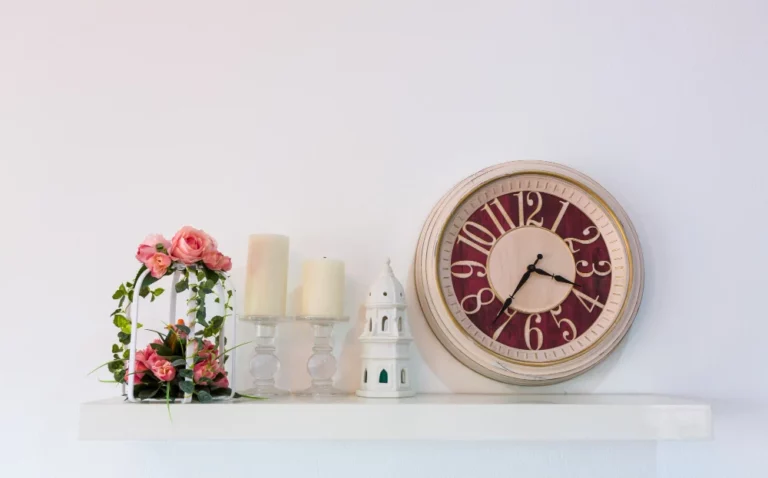
The warm minimalist trend is among the most functional trends for interior design. The public prefers to decorate their homes with beige, taupe, cream, walnut, wooden colors, and neutral earth colors rather than cold white interiors. A minimalist clock for modern home decoration could contribute to this trend with its minimalistic lines and color scheme.
The key is restraint. A clock should not fight with curtains, rugs, wall panels, or furniture. It should connect the room’s materials together.
Metal minimalist wall clocks for modern interiors
Metal finishes are popular because they bring structure to soft interiors. Black metal feels clean and architectural. Brushed brass adds warmth. Silver or chrome can suit a cooler, modern room. A metal minimalist wall clock is a strong option when users want a clock that feels more like wall decor than a basic utility item.
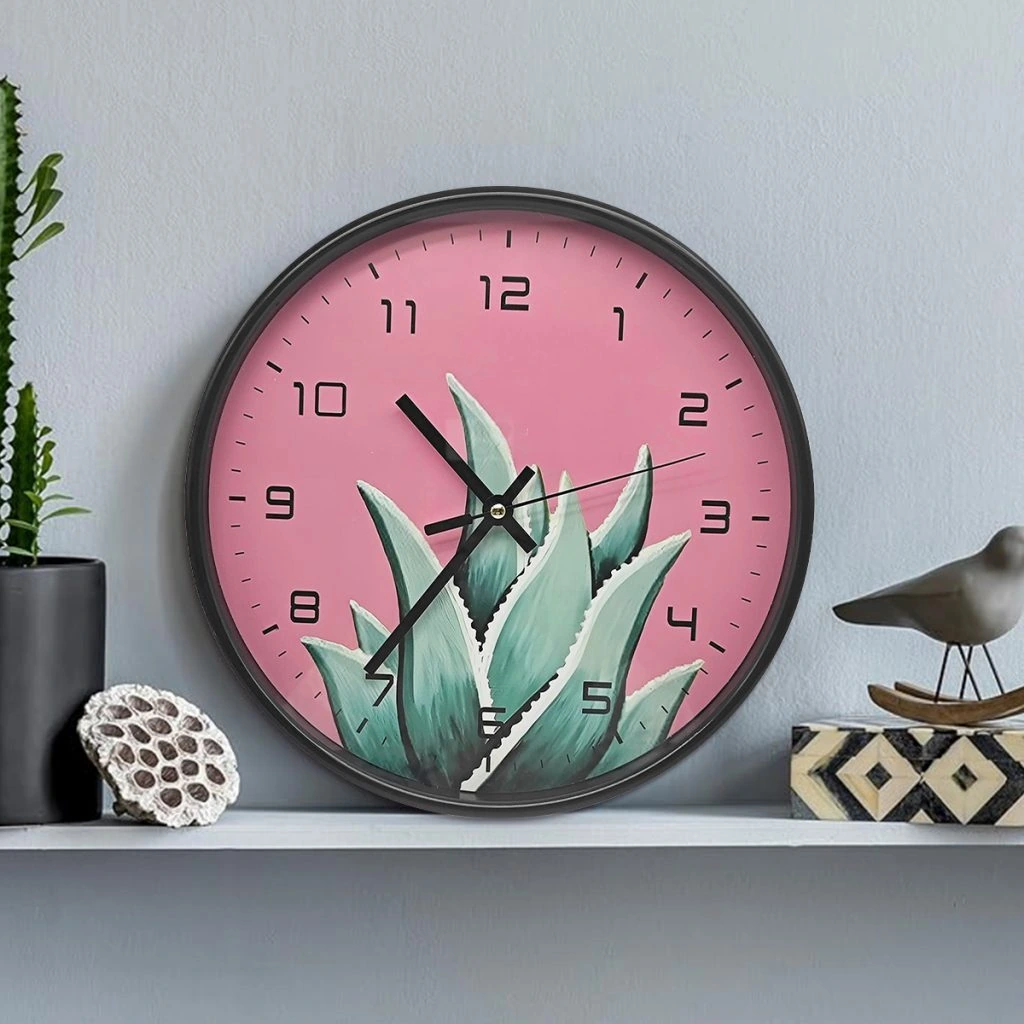
Our SZZ0098 Modern Metal Wall Clock Silent Non-Ticking Decor fits this trend with a minimalist metal look, silent non-ticking quartz movement, and clear numbering. It can work in living rooms, bedrooms, kitchens, or offices where the clock needs to feel decorative but not visually heavy.
How Should You Choose Minimalist Clocks for Different Home Spaces?
The best clock is not always the most stylish one. It is the one that matches how a room is used. A living room needs proportion. A bedroom needs silence. A kitchen needs readability. A work area needs low distraction.
Living room clocks that create a calm visual anchor
For a living room, a large minimalist wall clock can act as a focal point if the wall is spacious. The clock should relate to nearby furniture. A 30cm clock may suit a smaller wall. A wider wall may need a bigger diameter or a stronger frame.
Kitchen and dining clocks that balance readability with decor
In the kitchen and dining area, functionality becomes important. Use clear numerals, good contrast, and an easily cleanable surface. The clock should be designed in such a way that it enables you to quickly check the time while cooking, dining, and preparing yourself for the day ahead.
Bedroom and work-area clocks that reduce distraction
For bedrooms and home offices, choose a silent, non-ticking clock for the bedroom or a quiet work area. The dial should be calm, not overly graphic. Our SANGNI SZZ0099 Modern Minimalist Plastic Silent Wall Clock, with its 30cm diameter, 4 cm thickness, lightweight plastic body, and numberless dial with subtle hour indicators, suits interiors that need an uncluttered look.
What Materials and Finishes Make Minimalist Clocks Look Timeless?
Wood, natural textures, and warm finishes
Wood-look or natural finishes help soften hard modern rooms. They are especially useful with beige walls, linen sofas, rattan accents, and warm lighting. A wood minimalist wall clock can make a clean room feel more inviting.
Matte black, metal, and simple contrast
Matte black is still one of the easiest choices for modern homes because it frames the wall clearly. Metal clocks can work well with glass, stone, and concrete-effect surfaces and neutral wall panels. For B2B buyers, these finishes are also easier to position across multiple decor styles.
As a procurement agent, SANGNI can assist the buyers in examining various home decoration items within the larger context of the supply chain. Our services include market research, coordination of suppliers, quality control, packaging, warehouse management, and international logistics. These efforts will help in identifying suitable clocks that meet the design requirements.
How Do Size and Placement Affect Minimalist Clock Styling?
A minimalist clock can still look wrong if the size or placement is poor. The most common mistake is choosing a clock that is too small for an empty wall. Another mistake is placing it too high. This makes it feel disconnected from the furniture below.
For most rooms, the clock should relate to a visual group such as a sofa, console shelf, dining table, or desk. Leave enough negative space around it. If the wall already has artwork, mirrors, or shelving, the clock should support the arrangement rather than compete with it.
Think of the clock as functional wall art clock decor. It should tell time, but it should also complete the wall composition.
FAQ
Q: What are the best minimalist clocks for home 2026 trends?
A: The top minimalist clocks for home 2026 trends feature silent quartz movement, clean dials, neutral colors, metal frames, warm natural finishes, and clocks that work as functional wall decor. Buyers look for designs that seem peaceful. These designs stay clear to read. They also combine with modern interiors without trouble.
Q: Are silent minimalist wall clocks better for bedrooms?
A: Yes. A silent minimalist wall clock will be more appropriate for use in the bedroom since it does not produce the continuous ticking sound that may interfere with rest. The ticking wall clock would also be appropriate for studying and working areas.
Q: What size minimalist wall clock is best for a living room?
A: The right size depends on the wall and furniture layout. A medium clock around 30cm can suit smaller walls. A large minimalist wall clock may fit better above a sofa console or feature wall. The clock should look balanced. It should not appear isolated.
Q: How do minimalist clocks improve modern home decor?
A: Minimalist clocks for home decor improve a room. They add structure. They bring rhythm. They provide a function. They do this without creating clutter. They work well for blank walls. They suit neutral interiors. They fit open-plan spaces. They help in rooms where users want a peaceful yet complete look.
Q: Should a minimalist home decor clock be analog or digital?
A: An analog minimalist home decor clock is usually better for warm, calm, and decorative interiors because it feels softer and less screen-like. A digital clock can work in practical areas, but analog styles are often easier to blend with modern home decor