
In the competitive world of interior construction, finding a material that balances luxury aesthetics with durability is essential. UV Boards (often known as UV Marble Sheets or Carbon Crystal Boards) have emerged as a leading solution for B2B buyers seeking high-end finishes without the cost of natural stone. While these boards offer remarkable visual appeal and ease of installation, they are not a universal solution for every environment. To ensure project success, contractors and designers must understand where this material excels—and where it falls short. This guide explores the performance characteristics of UV boards to help you make informed sourcing decisions.
Understanding the Composition and Technology of UV Boards
To check how well it works, you must grasp what is under the top layer of these common wall panels.
From WPC Base to UV Curing: How UV Marble Sheets Are Made
The main part of a solid UV board is usually a Wood-Plastic Composite (WPC) or a PVC-stone powder mix. It forms via high-heat pressing. This makes a base that is green, tough against wear, and much firmer than old wood types. The “UV” means the top coating. There, a liquid resin goes on and hardens right away under ultraviolet light. It creates a clear, tough guard layer against scratches.
Visual Aesthetics: Why Faux Marble Finishes Are Trending
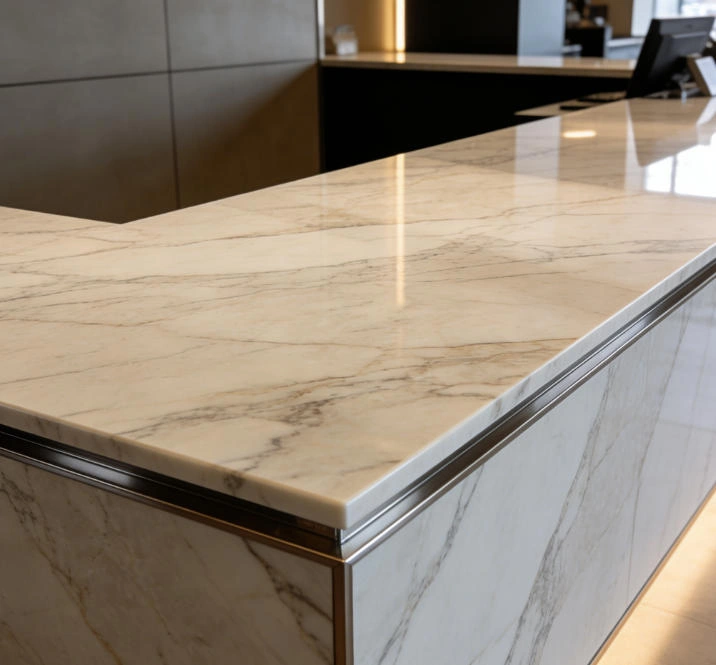
These boards aim to copy real patterns. They give the fancy feel of marble or wood grain without the big load. The shiny top boosts the look’s depth. As a result, they are popular for making rich indoor spaces at a small part of the true stone’s cost.
Where UV Board Performs Best: Ideal Waterproof and Indoor Applications
The main strength of the UV board is its full-structure waterproof ability. This makes it better than MDF or wood in wet spots.
Mastering Moisture Resistance in Bathrooms and Restrooms
Water damage is a primary concern in wet areas. UV boards made from plastic and stone powder are inherently waterproof and moisture-proof, preventing the warping and mold issues common with wood. They are ideal for bathroom vanities and shower surrounds, maintaining their integrity even in damp environments.
The Heart of the Home: Hygienic and Stylish Kitchens
In kitchens, cleanliness and upkeep matter most. The smooth UV-cured top fights oil and spots. So, you can clean it with just a quick wipe. This beats grouted tiles that hold onto grease.
Serene Bedroom Retreats: Safe and Stylish Feature Walls
Safety counts a lot in home plans. Top WPC-based boards have no formaldehyde and are kind to the earth. Therefore, they make a healthy space inside bedrooms. Plus, the range of wood and stone patterns lets you create cozy, personal designs.
Elevating Commercial Spaces: Hotel Lobbies and Office Corridors
In business projects, safety and lasting power are musts. UV boards reach a B1 fire rating. That means they put out flames on their own and do not feed the fire. This is safer than wood floors. Their firm top also resists wear well. Hence, they fit busy spots like shops and medical centers.
Critical Advantages of UV Wall Panels Over Traditional Materials
Builders like UV boards for their mix of price, quick work, and results.
UV Board vs. Natural Stone: Cost-Effectiveness and Installation Speed
Next to natural stone, UV boards weigh much less and cost less to ship. You can put them up fast with frame glue or metal clips. So, no need for hard stone-laying jobs.
UV Board vs. MDF and Wallpaper: Superior Durability and Maintenance
MDF swells, and wallpaper comes off. But UV boards fight bugs and hold their form. They give the easy, lasting strength needed for ongoing site care.
Installation Flexibility for Modern Renovation Projects
UV boards work great for updates. You can cut them simply and fit them over even old walls. This lets you change rooms like hotel stays or work areas fast. And it causes little stop time.
Where It Falls Short: Limitations and Strategic Considerations
Even with their pluses, UV boards have clear limits. You must note them to skip setup issues.
Outdoor Weathering Risks: Why UV Boards Are Strictly for Interiors
Regular UV marble sheets do not work well outside. They lack good fade-proof traits and steady color in direct sun and breeze. For yard paths or side covers, use PE (Polyethylene) wood-plastic items instead. They handle the weather better.
Substrate Preparation: The Need for Perfectly Flat Surfaces
The stiff nature of stone-plastic mixes means they do not bend to rough walls. So, the bottom layer must be very even (≤3mm/2m drop). This stops the boards from curving or twisting after fitting.
Thermal Sensitivity Near High-Heat Sources
UV boards react to big heat shifts. Do not place them where temperatures change a lot, such as in saunas. Also, keep them from direct sunlight. Otherwise, they may twist or change shape.
Solving Sourcing Challenges with SANGNI’s Material Expertise
Dealing with quality differences in the building goods market can be tough. SANGNI makes it easier as your trusted buying helper.

Ensuring Consistent Quality Through Rigorous Control
We do more than supply. We act as a buying agent with over ten years of know-how and ties to 500+ checked sellers. Our many-step check process makes sure each board hits world standards. This skips usual issues like off-colors or weak inner strength.
Global Logistics and Customization for Bulk Buyers
We manage over 5,000 containers each year. So, we offer custom buying plans and cover all shipping from border checks to drop-off. If you want special changes or large buys, we make sure items get there on time and in your budget.
FAQ
Q: How do I choose the right waterproof wall panel?
A: Look for panels with a WPC or SPC core, as these materials are inherently waterproof and moisture-proof. Ensure the product is specified as “full-structure waterproof” to guarantee performance in wet areas like bathrooms.
Q: Are UV marble sheets a good alternative to real stone?
A: Yes, they are a cost-effective alternative that mimics the texture of stone while being lighter and easier to install. However, they are best used indoors due to weather sensitivity.
Q: What is the fire rating of these wall panels?
A: High-quality stone-plastic UV boards typically meet the B1 fire protection standard, meaning they are flame-retardant and self-extinguishing.
Q: Can UV boards be used outdoors?
A: Generally, no. Standard UV/PVC boards are prone to aging and discoloration under UV exposure. For outdoor use, PE wood-plastic composites with better weather resistance are recommended.
Q: Why should I use a sourcing agent for building materials?
A: A sourcing agent like SANGNI leverages deep market insights and a vetted supplier network to secure competitive pricing and ensure strict quality control, reducing the risks associated with global procurement.