
In 2026, projects for fixing up and changing homes, picking the right skirting board sets the tone for how a room looks and holds up over time. It acts as the key link between walls and floors. A good one hides building gaps and stands up to everyday use. New materials from scientific progress replace old, stiff ones. These new options bend well and help the environment. Builders, designers, and buyers of supplies need to know how to pick materials that fit their job needs.
Common Skirting Board Challenges in Renovation Projects
Uneven Walls and Existing Floor Constraints
One of the most frequent hurdles when remodeling older buildings is dealing with walls that are no longer perfectly straight. When traditional, stiff skirting boards are applied to these undulating surfaces, unsightly gaps appear, requiring excessive caulking that ruins the clean finish. Additionally, the existing floor materials dictate strict physical constraints on the thickness and bottom coverage area of the new baseboards.
Limited Installation Timeframes
In commercial remodeling or large-scale residential renovations, time is the most expensive commodity. Traditional wood profiles require on-site cutting, extensive sanding, multiple coats of paint, and long drying times, which can severely delay the overall project schedule. Sourcing pre-finished materials that allow for rapid deployment is a critical strategy to compress timelines and increase project turnover rates.
How to Match Skirting Boards to Existing Interiors for Seamless Renovation
Color and Height Alignment Issues
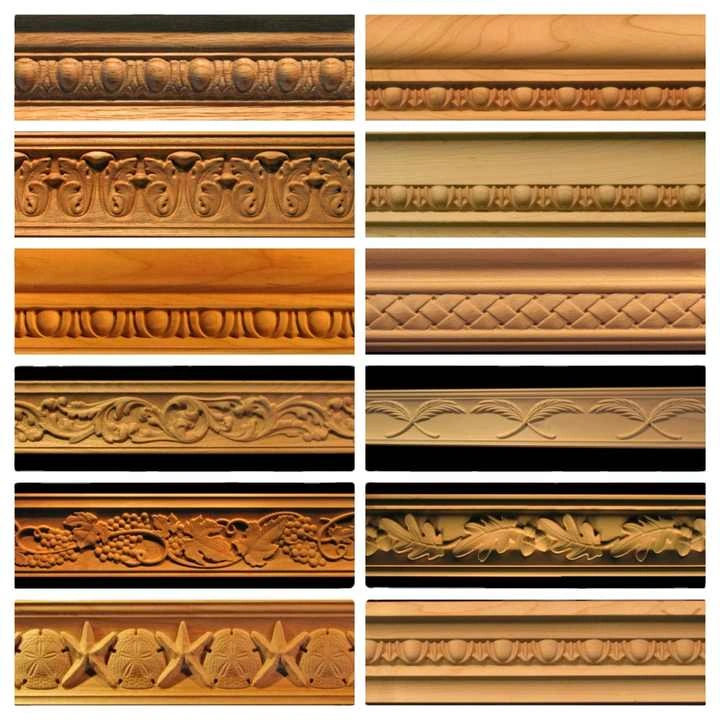
A smooth update means blending new parts with the old ones well. The board height needs to fit right with the room’s ceiling and door frames. If it gets too high in a short room, the space feels closed in. Matching colors exactly is hard too. Ready-made or foil-covered boards fix color problems across rooms. For example, the SNSkirting Board 010 Architects Crown Base Chair Rail Wainscoting Interior Woodworking helps tie baseboards to wall panels and rails. It creates a smooth shift that old, mismatched woodwork cannot match.
Material Compatibility Risks
Pairing modern engineered flooring with traditional solid wood baseboards introduces material compatibility risks. Different materials have varying coefficients of expansion and contraction in response to temperature and humidity fluctuations. During seasonal changes, this incompatibility can lead to cracked edges or warped profiles. Choosing modern composite base materials with high structural stability significantly mitigates the risks associated with environmental shifts.
Flexible Skirting Board Options for Remodeling: PVC and Hybrid Solutions
The Advantages of Eco-Friendly PVC and WPC Composites
To handle remodel troubles, items like Polyvinyl Chloride (PVC) and Wood-Plastic Composites (WPC) lead the marketHigh-quality Polystyrene (PS) and PVC boards are entirely waterproof, resistant to insect damage, formaldehyde-free, and heavy-metal-free. They comply with strict global eco-friendly building standards and align with recognized environmental certifications. Take the SNWall Moulding 020 Polystyrene Eaves and Skirting Board for Window and Door Decoration. As agents, we get this useful PS board. It works as a strong base and frames windows and roofs without old make risks.
Dimensional Stability on Uneven Walls
When remodeling older homes, contractors frequently encounter uneven or undulating walls. It is a misconception that standard skirting boards should bend to fit these curves. Instead, professional installation on uneven surfaces relies on high-quality caulking to conceal gaps. This is where PVC and WPC composites truly excel: their exceptional dimensional stability. Unlike solid wood, which absorbs moisture from fillers or the environment and eventually warps—causing caulk lines to crack—PVC and PS materials are 100% waterproof. They do not expand or contract, ensuring that once the gaps on an uneven wall are professionally sealed, the finish remains flawless and maintenance-free for years..
Minimizing Disruption and Damage During Skirting Board Replacement
Adhesive-Based Installation Benefits
Modern composite profiles often feature flat-back designs that perfectly accommodate high-strength construction adhesives or nail-free glue. Compared to the traditional method of using a brad nailer, an adhesive-based installation completely avoids the risk of piercing hidden, fragile plumbing or aging electrical wiring concealed within old walls. Furthermore, once the adhesive cures, the surface remains pristine, eliminating the tedious task of patching and painting over nail holes.
Best Practices for Safe Removal
Taking off old boards often rips wallpaper or drywall. To do it safely, cut deep along the top with a knife first. This breaks the seal from filler and paint. Then use a wide tool at the wall base. Apply a steady push to avoid harm to the wall.
How SANGNI Assists Buyers in Renovation Projects
Project-Specific Product Selection
We are a trusted agent worldwide with ten years in the field. Each fix-up job has its own style and money limits. We do not make or design items. But we use our checked group of over 500 suppliers to find what fits. For PVC, WPC, MDF, or PS panels and boards, our links match your look and use needs just right.
Installation-Friendly Specification Design
When getting items for clients, we pick ones for quick site work. We focus on PS and WPC goods with easy glue, nail, or clip setups. Finding these fast-build features helps buyers and teams cut labor and time in updates.
Cost Control and Reliable Global Supply Chain
Keeping costs low matters in big fix jobs. We handle over 5,000 containers a year. Our buying strength and talk skills get good prices without low quality. We offer full help with checks, packing to fit, and shipping by sea, air, or train. This chain gets supplies safely and on time. We cover papers and drop-off worldwide.
FAQ
Q: How to choose the right skirting board material for a damp renovation environment?
A: In high-moisture areas like bathrooms, kitchens, or basements, it is strongly advised to avoid traditional MDF or solid wood. Instead, choose 100% waterproof materials such as PVC, WPC (Wood-Plastic Composite), or high-quality PS (Polystyrene) products. These plastic-based composites will not absorb water, swell, or rot, making them the ideal, durable choice for damp remodeling projects.
Q: Is MDF or PVC better for remodeling an older house?
A: It depends entirely on the physical condition of the house. If the old walls are perfectly flat and the indoor environment is dry, MDF is a highly cost-effective choice that takes paint beautifully. However, if the remodeling project involves uneven walls or potential moisture issues, PVC is the superior option. PVC has the flexibility to hug uneven contours seamlessly and is completely waterproof and formaldehyde-free, drastically reducing long-term maintenance costs.
Q: Which brand is recommended when purchasing bulk skirting board products for commercial projects?
A: In the international building materials market, there is rarely a single “best” brand. Different factories focus on various composite technologies. For large-scale buyers and contractors, working with a skilled global sourcing agent like SANGNI makes things much smoother. SANGNI has direct links to a checked network of over 500 leading Chinese manufacturers. We carefully align your budget and material needs with the most affordable factory options out there.
Q: What factors do top companies consider when evaluating a skirting board supplier?
A: When big global stores and major project teams buy building supplies, they go past just the basic strength of the skirting board. Their main attention stays on how steady the supply chain is and if it follows rules. They favor suppliers that offer plain green certifications, such as data showing no formaldehyde and no heavy metals. They also want strict checks on quality and the ability to handle thousands of containers each year. A sourcing partner that provides live tracking of shipments keeps their large renovation jobs running without stops.
Q: How to choose a new skirting board to seamlessly match existing door architraves?
A: The key points are thickness and the shape of the design. For a smooth look in the shift, pick a new skirting board that is a bit thinner than the current door architrave. This way, it does not stick out oddly past the door frame. Plus, going for ready-made choices in several colors or materials that take paint lets you fit the precise color of the room’s current edges. You avoid the trouble of painting in steps right on site.