
The worldwide furniture field sees a big change right now. The traditional dichotomy between low-cost mass production and exclusive high-end design is blurring. Imported coffee tables from China are leading this change. They reshape what it means to combine fine aesthetics with environmental responsibility. For business-to-business sellers and interior designers, grasping this move to “sustainable luxury” matters a lot. It helps find goods that fit today’s buyers’ demands for aesthetics, tangible value, and environmental stewardship.
The Evolution of Imported Coffee Tables from China in 2026
Shifting from Mass Production to Eco-Conscious Craftsmanship
The story around “Made in China” furniture shifts a lot. It moves from mere high-volume production to a focus on value and environmental impact. Manufacturers in the region are adopting green skills and sustainable craftsmanship. They answer the world’s calls for lower carbon footprints and fair trade. This change makes imported coffee tables from China often built with the same care as in European shops. Yet, they offer a scalable solution for global buyers to expand their market share. Suppliers integrate sustainable practices early in the production line. As a result, they deliver products that serve as ethical and aesthetic anchors for contemporary living spaces.
The Role of Advanced Manufacturing in Achieving Affordable Luxury
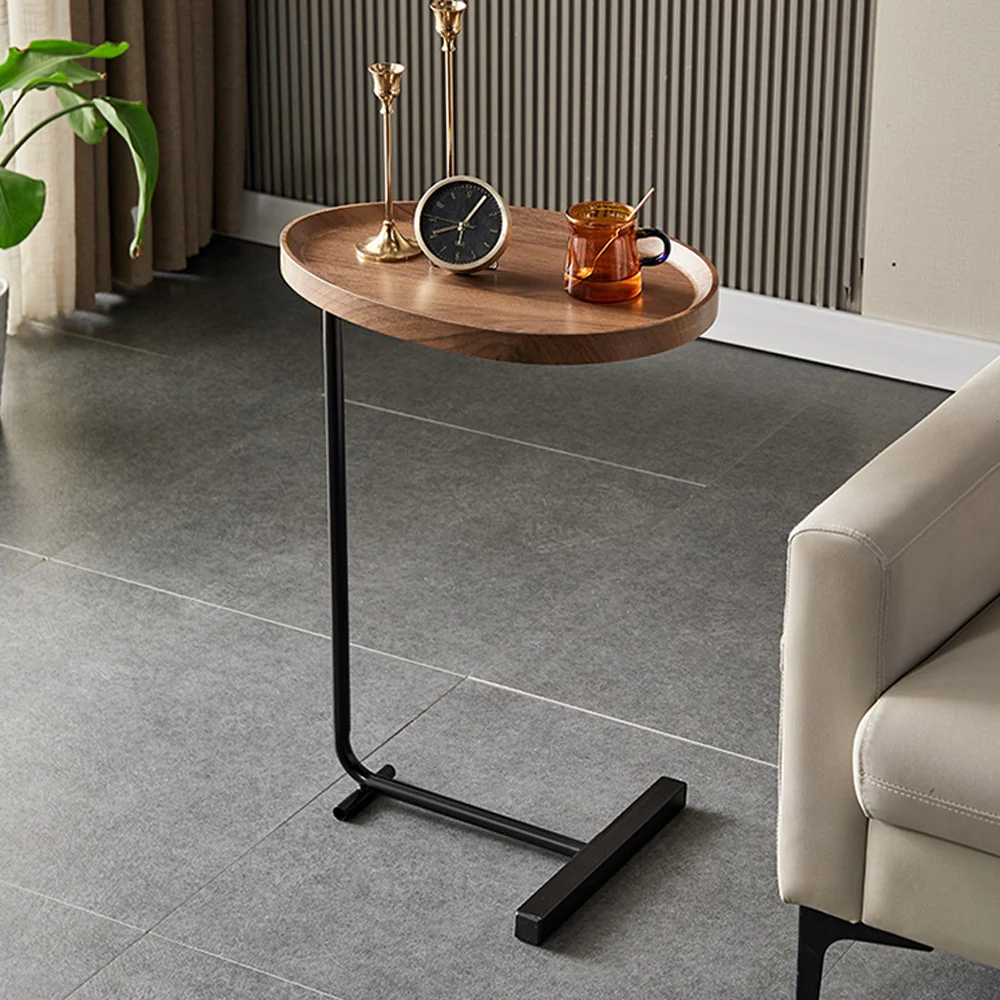
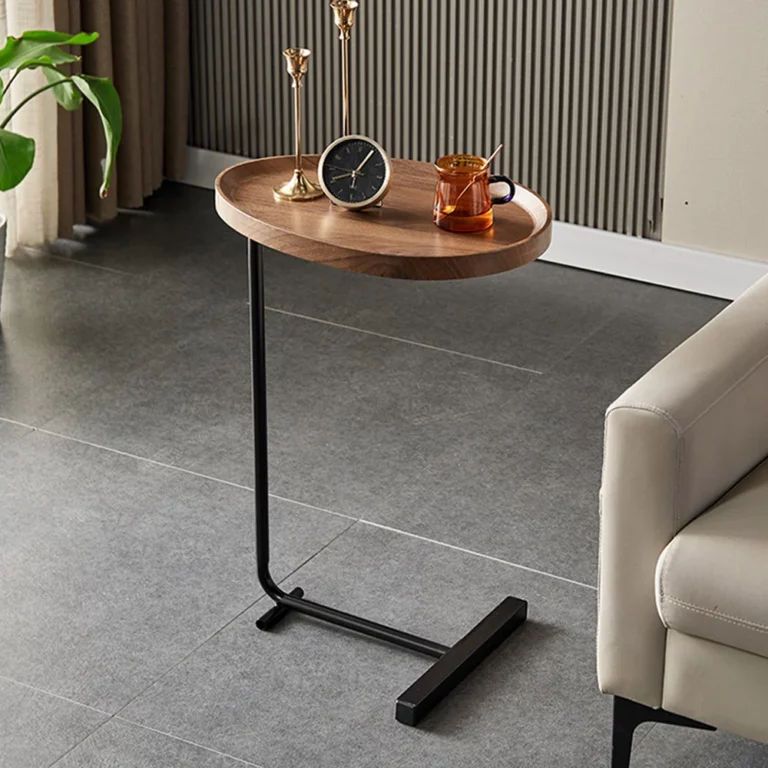
Technological advancements in Chinese manufacturing facilities are democratizing access to premium furniture designs. Advanced manufacturing techniques, such as precision CNC cutting and automated finishing, enable complex joinery and mixed-material aesthetics that were previously cost-prohibitive for mass production. This intelligent approach minimizes material waste, forming a core component of sustainable manufacturing. At the same time, it makes sure each table’s built-in strength hits high-end levels. Sellers can now get smart styles. For instance, the SNCTABLE0001 Modern Coffee Table demonstrates this fusion of technical precision and aesthetic appeal, available without the prohibitive costs typically associated with bespoke furniture.
Key Features Defining Sustainable Luxury in Coffee Table Design
Premium Materials: From FSC-Certified Wood to Recycled Composites
Natural Stone and Ceramic Integrations for Longevity
Strength is perhaps the cornerstone of sustainable luxury. New trends show a rise in the use of sintered stone and ceramic materials. These materials offer the luxurious appearance of natural marble while providing superior resistance to scratches, heat, and stains. This significantly extends the product’s lifespan. Unlike porous natural stones that require chemical sealants, high-density ceramic surfaces are hygienic and low-maintenance. This shift enables manufacturers to construct flagship pieces. They stay in good shape for many years. Thus, it reduces the need for replacement and lowers environmental damage over time.
Eco-Friendly Metals and Low-VOC Finishes
Current high-end often mixes well. It pairs warm woods with cool, reused metals. The industry is shifting towards greater sustainability. They get covered with low-VOC (Volatile Organic Compound) layers for safe room air. This demand for non-toxic materials is crucial for meeting strict regulatory standards in the USA and Europe. It reflects a holistic design philosophy where user safety is prioritized as highly as the product’s visual appeal.
Durability and Timeless Aesthetics as the Ultimate Eco-Friendly Trait
True sustainable design in furniture planning is achieved when an item is built to last in both construction and aesthetics. Imported coffee tables featuring timeless aesthetics, such as clean lines and functional silhouettes, counter the disposable culture driven by fleeting trends. Take the SNCTABLE0003 Modern Box Wood Coffee Table, for example. It joins a strong build with a basic look and handy storage space. This ensures it remains relevant and desirable in a home for years. By picking items that put long life first, firms help a circular economy. There, resources are valued and preserved.
Strategic Sourcing for High-End Furniture from China
Evaluating Craftsmanship and Detailed Finishing
Premium sourcing requires meticulous attention to detail that distinguishes mass-market goods from high-end pieces. When checking imported coffee tables, business buyers must check the exact joins, even the ends, and the firm base. Furthermore, superior packaging solutions demonstrate a supplier’s commitment to quality. It makes sure goods reach in top shape. This cuts losses and carbon from returns and damage.
Navigating International Certifications and Ethical Standards
The Importance of BSCI and FSC Compliance
Solid “sustainable luxury” requires backing from known world marks. Pick helpers who work with makers that follow rules like the Forest Stewardship Council (FSC) for fair wood sourcing and the Business Social Compliance Initiative (BSCI) for good working conditions. These marks give outside checks. These certifications verify that products originate from facilities that respect environmental standards and labor rights. This is a must for many new buyers.
Ensuring Supply Chain Transparency and Traceability
Clear sight forms the base of trust in the world furniture trade. A good chain lets buyers track stuff back to the start. This ensures sustainability claims hold true. Such an open view matters for marketers who want to sell truth. Plus, it builds long-term trust with eco-conscious buyers.
Optimizing Your Furniture Procurement with SANGNI Sourcing Solutions
Leveraging a Vetted Network of 500+ Reliable Suppliers
We at SANGNI know that finding the right mix of quality and price can prove tough in a big field. As a focused sourcing helper, we use a checked network of over 500 steady sellers. This links you to makers that fit your needs for premium sustainable furniture. We go beyond listing goods. We pick sources to make sure each coffee table matches your market’s levels and place in the market.
Comprehensive Quality Control and Global Design Collaboration
Our job goes beyond basic links. We serve as your check partner on-site. We use a many-step look process. It covers raw stuff checks to end item tests. This makes sure it follows world quality rules. Also, as we link you to makers, we work with a group of over 100 planners. This includes pros from the UK, US, and France. They help get goods fit for world style likes.
Seamless Global Logistics and After-Sales Support
We make hard world trade moves simple. This keeps your buy trip even from start to end. Our group handles all parts of world shipping. This includes sea, air, and railways. We pick paths to cut ship costs and hit time drops. Plus, we give steady after-sales help. It covers item use tips and quality fixes. So, you can grow your field while we take care of supply chain complexities.
FAQ
Q: What are the best brands for imported sustainable coffee tables?
A: In a wide range of retail brands, the one top pick for a B2B buyer often skips a single brand. Instead, it turns to a solid sourcing agent. This agent reaches many leading makers. Partnering with a skilled sourcing helper lets you tap the same strong plants that big world brands use. It makes sure you gain the exact style and green traits, such as FSC wood or reused metals. These match your work setup without extra costs for a brand label.
Q: How do I choose high-quality imported furniture for my business?
A: Picking the correct furniture calls for checking past the cost label. You need to assess the supplier’s skills and certs. Put first those suppliers who share clear details on their materials and production steps. Look in particular for fit with world standards like ISO9001 and work checks like BSCI. Also, see if the supplier runs a firm quality check system. This includes looks before shipment. Such steps prove key to make items fit your trade’s needs.
Q: Which material is better for a modern coffee table: Sintered Stone or Solid Wood?
A: The pick between sintered stone and solid wood hinges on the wanted look and use needs of your buyers. Solid wood, as seen in our Box Wood Coffee Table, brings warmth, true charm, and a lasting pull. It works well for natural modern rooms. In contrast, sintered stone or ceramic surfaces offer a smooth, current style with better guard against heat and marks. This makes them a good fit for busy modern houses where lasting strength counts most.
Q: What are the top companies for sourcing furniture from China?
A: The leading firms for sourcing give a full “one-stop” answer over a simple item list. The best helpers are sourcing agents with broad field reach and steady ties to many checked suppliers. These firms bring extra worth by managing talks, quality checks, and shipping. They serve as your far base in China. This cuts risks and boosts smart work.
Q: How can I verify if an imported coffee table is truly sustainable?
A: To verify a product’s sustainability claims, request valid documentation demonstrating its environmental credentials. This covers FSC certification (Forest Stewardship Council) to confirm wood comes from well-run forests. It also includes GRS (Global Recycled Standard) certification for items with reused materials. Solid suppliers should share these certs openly. On top of that, you need to confirm their plants follow tight earth rules on emissions.