
Today’s interior design needs a smooth mix of looks and strong build. This turns skirting boards from basic parts into key building features. As 2026 nears, architects and buyers focus on better materials. These give a steady size and easy setup. Picking the right skirting shape goes beyond hiding the floor-wall gap. It means building a full look that holds up in busy homes and work spaces.
Modern Skirting Board Design Trends Shaping Contemporary Interiors
Minimalist Skirting Profiles: The Rise of Square Edge and Shadow Gap
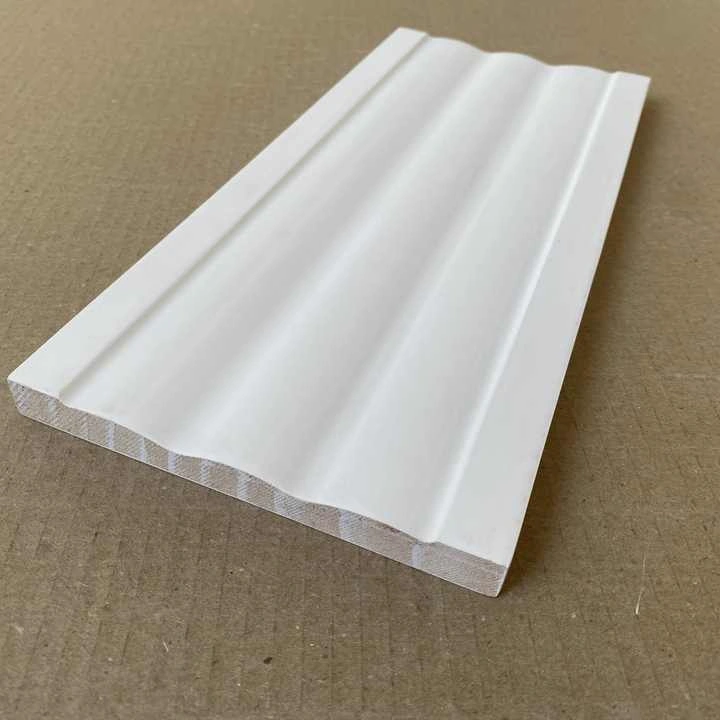
Simple styles in 2026 keep pushing for skirting shapes with clean, plain lines. These beat old fancy trims. The “Shadow Gap” or setback skirting makes walls seem to float. Meanwhile, the square-edge type gives a flat, neat end. It fits well with smooth modern woodwork. To get this sharp look, makers need exact work. Take the SNSkirting Board-010 Architects-Crown Base Chair Rail Wainscoting Interior Woodworking. It uses thick stuff to keep 90-degree corners firm. Soft woods often lose that over time. These clean plans cut down the mess in sight. They let the room’s main shapes stand out.
Color Coordination Strategies: Matching Walls vs. Creating Contrast
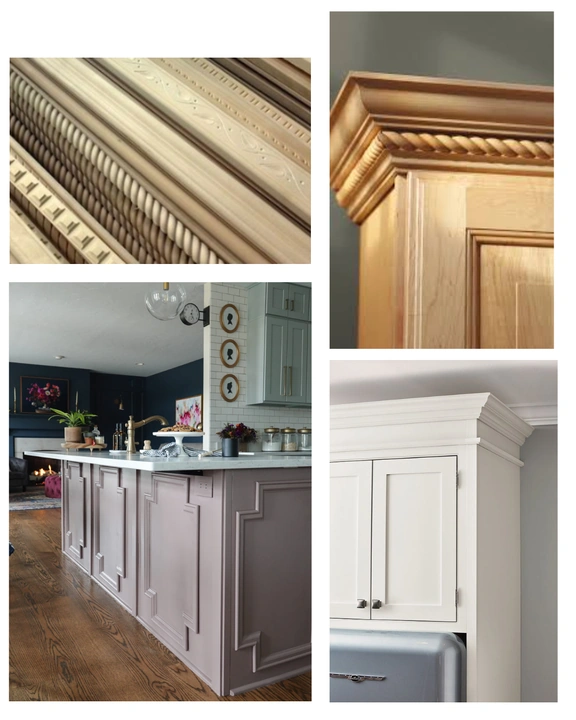
Current color plans go past plain white edges. They now like full sets where skirting blends with walls or adds a smart touch difference. Designers pick ends that copy fine feels, like the Morandi Color series or natural Wood Effects. This builds a smooth flow from floor up. With hot stamping and layer tech, makers put these soft shades, from light brown-grays to deep walnut, right on PS and PVC bases. This way gives a single-color feel. It makes spaces seem bigger. That’s key in small hotels and high-end homes.
Comparing Skirting Board Materials: Durability and Aesthetics
WPC and PVC Skirting: Waterproof Solutions for High-Moisture Areas
Moisture resistance is a must for skirting in wet spots like baths, kitchens, and lower levels. WPC (Wood-Plastic Composite) and PVC types are made to keep water out. They fix old problems in wood or basic MDF, like rot, swell, and bend. For work upkeep groups, a pick like the SNSkirting Board-008 (Waterproof MDF) or strong PVC shape keeps the base wall safe. It stays good after wet wipes. These goods also fight bugs and mold well. That stretches the inside setup’s life a lot.
PS (Polystyrene) Mouldings: Lightweight and Eco-Friendly Alternatives
Polystyrene (PS) shapes stand out as a better pick for new builds. They mix thick build, green safety, and a simple handle. These are free of formaldehyde and heavy metals. So, they suit safe green certs and home interiors. PS skirting, like the SNSkirting Board-006 Modern Style Custom Floor Accessories Polystyrene Wall Base Plastic Skirting Board, recycles fully. It gives the strength to hold a hit while staying light to move. Now, makers make wider ones. Standard is about 16cm, with custom up to 20cm. This fits the push for tall, bold base parts in fine spots.
High-Density MDF vs. Solid Wood: Balancing Cost and Finish Quality
Solid wood has old-time appeal. But thick types often give better evenness and lower cost for big jobs. Made skirting skips wood’s flaws, like knots and twists. It makes a smooth face that takes paint well. New push tech lets fake mixes copy wood feel. They add better hold against heat changes. For tight-budget work that needs good looks, switching to top fake mixes saves money. It boosts hold against the weather, too.
Functional Skirting Board Features for Commercial and Residential Projects
Cable Management Systems Hidden Within Skirting Profiles
Modern skirting work is increasingly designed to conceal wire setups for smart homes and auto offices. Many pushed PVC and WPC shapes have empty middles or back slots. These make paths for data lines and power cords. This built-in wire hide skips wall cuts. It keeps plaster whole and wires out of sight. This helps a lot in office updates. Power and data shift often there. It lets easy changes without wall harm.
Installation Efficiency: Adhesive Bonding vs. Traditional Nailing
Fast setup matters for job gains. New skirting goods back quickly, low-work fix ways. PS and WPC shapes fit many methods. You can use no-nail glue, small nails, or clip holds that stick to walls. This bend lets workers move fast on different bases, from sheet walls to stone. No big prep needed. Snap clips cut time more. They allow pull-off later for wire reach without harm. That adds value in work spots.
Optimizing Your Supply Chain with SANGNI Sourcing Services
One-Stop Procurement for Diverse Building Supplies and Home Decor
We focus on making global buying easy. We act as your set partner for many home and building goods. At SANGNI, we use a checked net of over 500 sure sellers. This gives a full buy fix beyond just making. You skip split orders from many plants for chairs, wall sheets, and skirting. We group them into one easy shipment. This full way lets you get all, from side tables to WPC wall sheets, and fit shapes at once. It cuts desk work and ship mess a lot.
Customization Capabilities: OEM/ODM for Unique Project Specs
We know new jobs need special sizes that stock goods miss. So, we give full custom help. Our buy skills let us fit product sizes, like skirting widths over standard to 16cm or 20cm. This meets the exact build needs. If your job wants a special Morandi shade or wood line stamp on PS, we link with makers to change forms and ends. This bend makes the end a good match for your plan and market needs.
Rigorous Quality Control and Global Logistics Coordination
We link China’s making to the world quality rules with our full check layers. Our group does a strict look from the raw check to the end test. Every skirting batch hits hard rules for hold and end before ship. With know-how on over 5,000 loads a year, our ship team picks best moves by sea, air, or train. This gets goods on time to the USA, Europe, and more. By covering the quality check to border clearance, we cut risk. Your buy line runs smooth.
FAQ
Q: Which skirting board material is best for resisting scratches in high-traffic areas?
A: High-density Polystyrene (PS) or Stone Plastic Composite (SPC) skirting boards are excellent choices for high-traffic zones due to their hardness and impact resistance. Unlike softwood, which dents easily, these materials are designed to withstand physical wear and are scratch-resistant, making them ideal for commercial spaces like malls or hospitals.
Q: Can modern skirting boards be installed on curved walls?
A: Yes, certain flexible PVC skirting profiles are designed specifically for curved applications. Some models, often available in rolls, can contour to rounded walls or columns without snapping, providing a seamless finish where rigid boards like MDF or solid wood would be impossible to install.
Q: How do I select the right skirting height for a room with high ceilings?
A: For rooms with high ceilings, it is generally recommended to use taller skirting boards to maintain visual balance. A skirting height of 15cm to 20cm helps ground the space and adds a sense of grandeur, whereas standard 8-10cm boards might look disproportionately small in a large, open room.
Q: Are PS skirting boards safe for indoor air quality?
A: Yes, high-quality PS (Polystyrene) skirting boards are formaldehyde-free and do not emit harmful volatile organic compounds (VOCs). This makes them a safe and eco-friendly option for residential bedrooms, nurseries, and projects aiming for green building standards.
Q: What is the most cost-effective way to install skirting boards in a large project?
A: Using adhesive bonding or a clip-on system is often the most cost-effective installation method for large projects. These methods are faster than traditional drilling and screwing, significantly reducing labor hours, and they result in a cleaner finish that requires less filling and painting afterward.