

The Evolution of Skirting Board Dimensions in Modern Interiors
Analyzing Optimal Height Ratios for 2026 Design Trends
Skirting board specs in 2026 move clearly to a “Golden Ratio” setup. They leave behind heavy old styles for simple, clean looks. Designers and builders now focus on the “1/18 rule.” It means the skirting height should be about one-eighteenth of the ceiling height. This creates a balanced sight. Old shapes often went over 20cm. But market info shows people like heights from 12cm to 16cm now. This range gives enough weight for upscale rooms. At the same time, it keeps the straight edges that fit today’s business and home builds. Picking the right height stops the skirting from taking over the room’s look. It also avoids seeming too small next to tall ceilings.
Why Profile Depth Matters for Covering Expansion Gaps
The profile’s thickness, or depth, is a key tech detail. It affects how long a floor setup lasts. New floor types like SPC (Stone Plastic Composite) and loose vinyl need a set expansion gap around the room edges. This stops the floor from bending. A skirting thickness of 10mm to 15mm covers this gap well. It does so without extra trim that looks messy. When you pick a profile with enough depth, it handles floor shifts from weather changes. As a result, the setup stays smooth and pro-looking.
Material Specifications: Comparing Durability and Stability
WPC and PS vs. Traditional Wood: Moisture Resistance Metrics
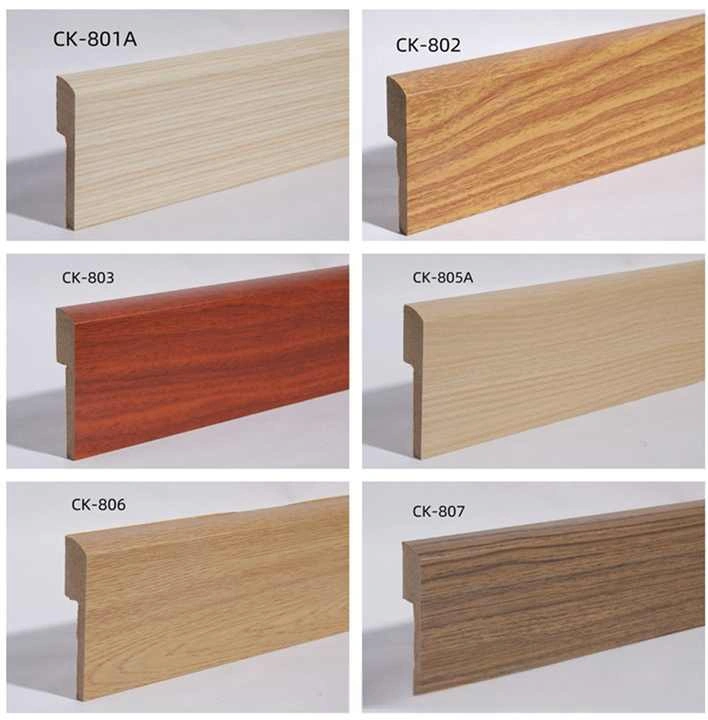
The material makeup is the main spec that cuts down on fix-up calls and keeps clients happy over time. Old wood or MDF soaks up water in damp spots. But High-Density Polystyrene (PS) and Wood-Plastic Composite (WPC) specs give full waterproofing. In wet areas like hotel baths or kitchens, items like the SNSkirting Board 008 Hotel Floor Waterproof MDF Direct Decoration Skirting Board keep sizes steady. These new plastic-based items resist bending, mold, and bugs. They do much better than wood in strength checks.
Impact of Material Density on Cutting and Fitting Precision
Top skirting specs now call for set density levels. This helps with exact angle cuts and marks during setup. Thin materials break or soften under fast saws. That leads to bad joins that need lots of filler to cover. New making methods for PS and WPC make a tight, even inside build. It lets you cut sharply and cleanly like hardwood. But it skips the wood’s uneven lines. This strong setup is key to keeping pointy outer edges and smooth inner marks. Those are signs of fine work.
How Manufacturing Length Specifications Optimize Project Efficiency
The Strategic Advantage of 2.9m Standard Lengths
Setting skirting lengths to 2.9 meters is a smart spec. It helps with shipping and setup looks. This size fits box sizes for full loads. It also matches usual room heights and wall lengths to cut joins. With longer straight pieces, workers use fewer end-to-end links on walls. This gives a neater, unbroken line. Plus, it cuts waste from short ends compared to smaller standards. In the end, it boosts job profits.
Reducing On-Site Labor with Pre-Finished Surfaces
Specs for ready surfaces using heat press or wrap tech have changed job times a lot. Old plain wood needs sanding, base coats, and paint layers right there. That adds days to the plan. But new PS and PVC skirting comes with plant-applied covers. For example, the SNSkirting Board 007 Self Adhesive PVC Skirting Board Roll has sticky backs for a quick fix. These install-ready specs skip paint work and wait times. So, rooms can get used right away.
Advanced Installation Features Built into Modern Profiles
Design Tolerances for Hidden Cable Management
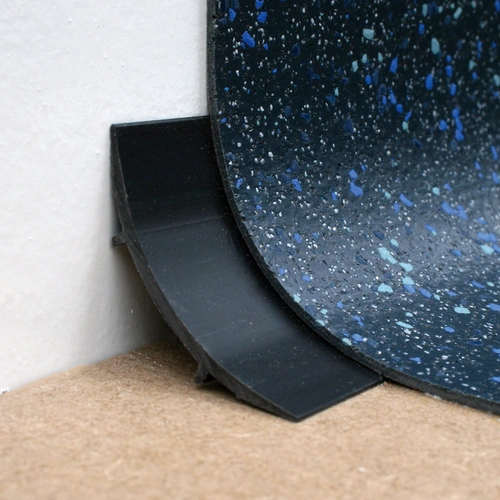
New skirting shapes often include empty back designs. They meet the rising call for wire handling in smart homes and workspaces. These built paths let low-power lines like internet or sound wires run out of sight behind the board. This skips cutting into walls. The making step allows tricky inside shapes. They add strength but keep weight down and use up. This two-way spec makes a trim piece into a useful base part.
Flexibility Specs for Uneven Wall Surfaces
Stiff materials do not stick flat to walls that are not straight. This causes ugly spaces that hurt the end look. Specs for plastic skirting, mainly PVC or bendy PS mixes, give some flex. It lets the board follow small bumps in the wall. This fit ensures a close hold without many screws or putty. It gives a pro finish even in fix-up jobs where walls differ.
How SANGNI Delivers Precision-Engineered Skirting Solutions
Customization Capabilities for Global Market Standards
At SANGNI, we draw on more than ten years in the field to act as your go-to supply helper. We link you to makers who hit exact world specs. We know markets vary in needs. So, we use our checked supplier group to offer custom widths of up to 20cm. We also do color matches with heat press tech. Our job is to connect your project needs to the make line. This way, if you want a certain wood look or flat color, the item sent fits your plan just right.
Rigorous Quality Control Ensuring Consistent Specs
We do more than just buy. We run a step-by-step check to make sure every length meets tight size rules. From start materials to pack-up, our group handles the full chain for steady quality in big orders. We manage over 5,000 containers each year. We check that sourced PS, WPC, or PVC items follow world rules for water holding and strength. This lets you grow your work without worry over quality.
FAQ
Q: What is the best material for skirting boards in 2026?
A: For modern applications, High-Density Polystyrene (PS) and Wood-Plastic Composite (WPC) are considered the best choices due to their water resistance, durability, and lack of maintenance compared to traditional wood or MDF. SANGNI sources these high-performance materials to ensure long-lasting quality for your projects.
Q: How do I choose the right skirting board height for my room?
A: A general rule of thumb is to choose a skirting height that is approximately 1/18th of your ceiling height. For standard 2.4m ceilings, a height of 120mm to 140mm works best. We can source a variety of heights, including the popular 16cm specification, to suit different architectural styles.
Q: Which brand of skirting board offers the best value for bulk orders?
A: When looking for value in bulk, it is better to look for a reliable sourcing partner rather than a single retail brand. SANGNI connects you directly with top-tier Chinese manufacturers, ensuring you get factory-direct pricing on high-quality PS and WPC skirting boards without the markup of consumer brands.
Q: Is it better to choose pre-finished or primed skirting boards?
A: Pre-finished skirting boards are generally superior for commercial and large-scale residential projects because they eliminate painting labor and costs. Our sourced products often feature hot-stamped or film-wrapped finishes that are ready to install immediately, saving significant time on-site.
Q: Who are the top suppliers for waterproof skirting boards?
A: The top suppliers are those with robust supply chain management and strict quality control in manufacturing hubs like China. SANGNI stands out as a premier sourcing agent, providing access to a vast network of vetted suppliers specializing in 100% waterproof PS and WPC skirting solutions tailored for global markets.