
What Is UV Board Material and How Does It Perform in Interior Applications?
Key Characteristics of UV Board Material
The UV board serves as a kind of decorative panel. It stands out for its UV-cured coating. This coating boosts surface toughness and visual appeal. The term ‘UV’ in UV board points to the ultraviolet curing method. This method hardens the surface lacquer. It forms a protective layer that fights daily wear and tear. UV carbon crystal board is a type of board with a UV layer printed on its surface (liquid resin is applied to the floor surface and quickly cured by ultraviolet light, forming a transparent protective film). This process not only yields a shiny finish. It also makes the panel tougher against scratches, dampness, and color loss from light exposure.
The core of a UV board typically consists of Medium-Density Fiberboard (MDF) or particleboard. These materials are chosen for their affordability, workability, and stability. Once the base panel is manufactured, it is coated with a UV lacquer—often a PET-G high-gloss film or PP scratch-resistant film—that is cured using ultraviolet light to create a seamless, mirror-like surface. The base material is also wood-plastic board (WPC), extruded board, and then the surface is laminated with PVC film, PP scratch-resistant film, PET-G high-gloss film, etc.
How UV Board Differs from Other Interior Panel Materials
UV boards beat melamine boards in shine and color richness. Melamine panels often show a dull or medium-shine finish. They can look plain under lights. In contrast, UV boards boost light and fresh style in any area.
UV boards provide a cheaper choice than acrylic panels. They keep good looks without big losses. Acrylics give a deep shine. But they cost more. So, UV boards fit projects that watch costs yet want nice results.
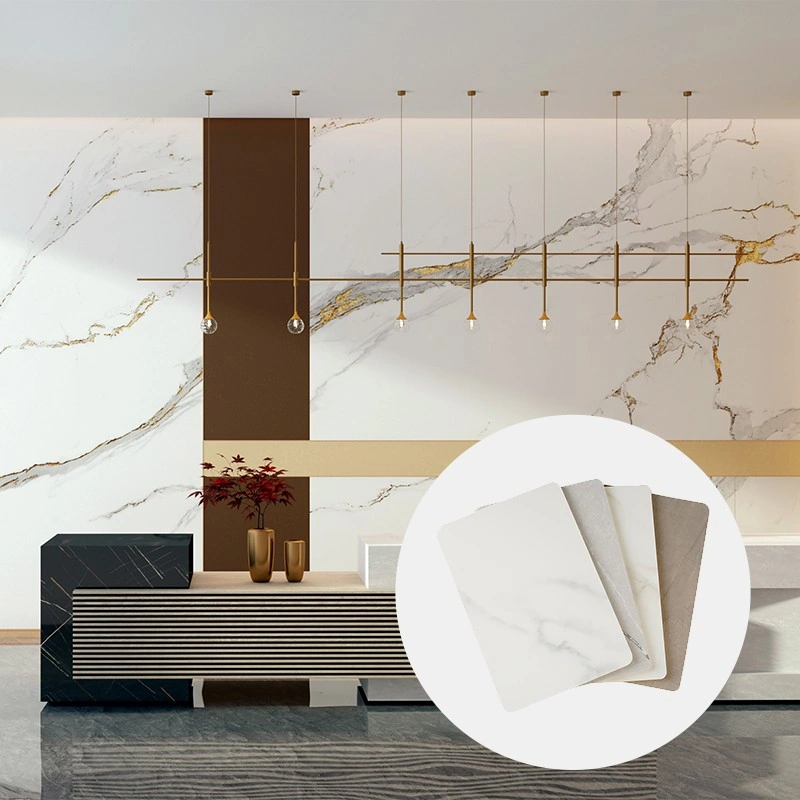
A key feature of UV boards is their even factory finish. The machine-based UV curing ensures a steady shine and smoothness over the whole surface. This fits well with modern interior styles. Those styles focus on straight lines and simple designs.
Is UV Board Material Suitable for High-Traffic Interior Spaces?
Durability of UV Boards in Commercial and Residential Settings
UV boards get built to handle tough use in homes and businesses. The firm coating from UV curing makes a barrier. It resists common touches, scrapes, and chemical contact. Thus, they work great for kitchens, office areas, shop counters, and busy spots where strength matters most.
Due to their strong surface, UV boards need little care. You can wipe spills with ease. The shiny finish stays good even after long daily use. Plus, UV carbon crystal board is a type of board with a UV layer printed on its surface (liquid resin is applied to the floor surface and quickly cured by ultraviolet light, forming a transparent protective film). This makes it less prone to chemical harm. That factor counts in places like clinics or labs.
Moisture and Heat Resistance: Can UV Boards Handle Challenging Conditions?
Moisture resistance is another strong suit of UV boards. Thanks to their sealed surface, these panels do not absorb water easily, reducing the risk of swelling or warping in humid environments such as bathrooms or kitchens.
Although not designed to be heatproof, UV boards do handle moderate temperature fluctuations better than many standard laminates. Proper edge banding further strengthens their moisture resistance by sealing vulnerable panel edges against water intrusion. This makes them a practical choice for interiors exposed to occasional steam or splashes.
Where Can You Use UV Board Panels Effectively in Interior Design?
Common Applications of UV Boards in Residential Interiors
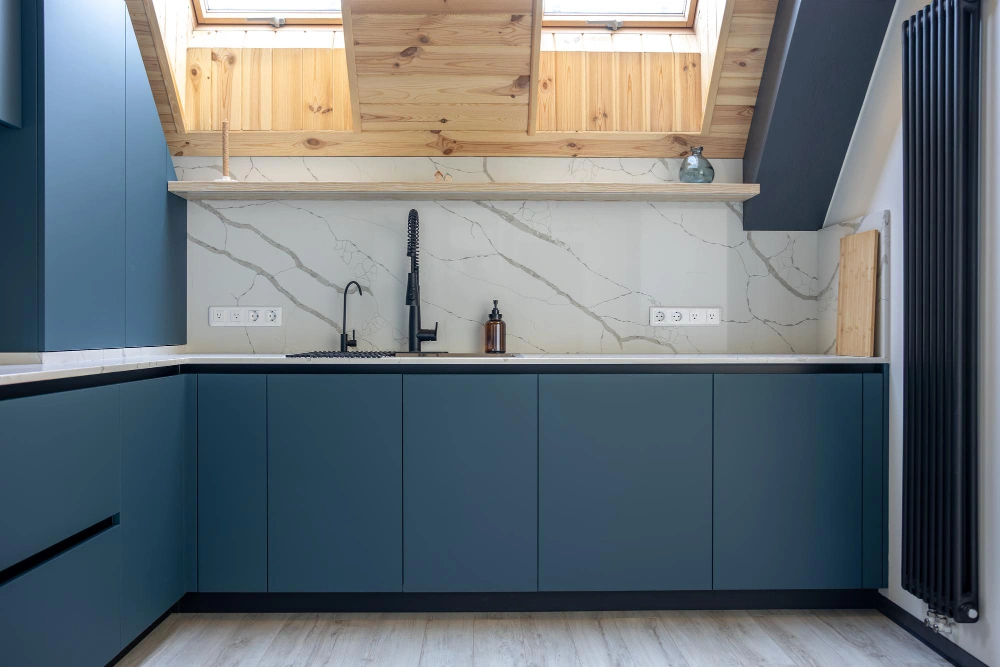
The shiny surface of UV boards fits well with home storage units. They appear often in kitchen cabinets. There, looks and use must blend. The non-absorbent finish pushes away stains and oil. So, cleaning takes little work.
Wardrobe doors and bathroom cabinets see them too. This comes from the material’s strength and nice look. The smooth style of UV boards matches ready-made furniture. That furniture stresses clear lines and fresh finishes. UV carbon crystal board is a type of board with a UV layer printed on its surface (liquid resin is applied to the floor surface and quickly cured by ultraviolet light, forming a transparent protective film). It improves both use and style.
Commercial Use Cases That Benefit from UV Board Properties
In commercial environments, UV boards serve a dual role—offering durability while reinforcing brand aesthetics. Office partitions and wall cladding benefit from their clean visuals and easy maintenance. Retail counters often feature glossy UV surfaces that reflect product lighting effectively, enhancing merchandise visibility.
Hospitality venues such as hotels and cafes also favor UV boards for reception desks and decorative wall panels because they deliver a polished look with minimal upkeep. Their ability to maintain gloss under constant use ensures these spaces continue to impress guests over time.
What Should You Consider Before Choosing UV Board Material?
Aesthetic Options: Colors, Textures, and Surface Finishes Available
UV boards offer many finish types for different tastes. From plain shiny colors to wood-like patterns, they allow choices for strong impacts or quiet elegance. Some types even have mirror effects. These make rooms seem larger. That helps in tight spaces.
Shiny finishes lead the market. But dull versions are starting to appear. People pick them for a softer style. Still, they remain rarer than shiny ones.
Installation Requirements and Compatibility with Other Materials
Fabricating UV boards requires precision tools due to their hardened lacquer layer. Improper cutting may lead to chipping along the edges. That said, they are fully compatible with standard cabinetry hardware and fixtures used across kitchens, wardrobes, and shelving units.
To maintain long-term performance, proper edge sealing is essential. This helps prevent moisture infiltration at panel joins—a critical consideration in wet-prone areas.
How Can SANGNI Help You Source Quality UV Board Materials?
Our Role as a Professional Procurement Agent for Interior Panels
At SANGNI, we focus on linking worldwide clients to reliable makers. These makers supply top interior items. That includes UV board panels. Yiwu Sangni Home Co., Ltd., a subsidiary of Huahong Art Home has evolved from being China’s well-known wedding frame brand into a globally trusted home goods supplier with over a decade of industry experience. Our procurement service covers every step: from supplier vetting and sample verification to compliance checks and global logistics coordination.
We simplify sourcing high-quality home products from China for retailers, wholesalers, brand owners, and e-commerce businesses, enabling you to focus on expanding your business while we manage sourcing operations seamlessly.
Product Range We Handle Within the Scope of UV Boards Only
Types of Core Materials We Source for Clients
We supply MDF-based UV boards. They suit everyday interior tasks. We also offer particleboard-core types. These give cheap options without losing looks or strength. UV carbon crystal board is a type of board with a UV layer printed on its surface (liquid resin is applied to the floor surface and quickly cured by ultraviolet light, forming a transparent protective film). It works across price levels.
Surface Options Available Through Our Supplier Network
Our broad supplier ties give access to many surface types. This covers shiny white panels for fresh kitchens or wardrobes. It also includes woodgrain designs that mimic a real wood feel. No upkeep needed. These picks let designers match different style needs simply.
FAQ
Q: What is the best brand for UV board materials?
A: While specific brand preferences vary by region and project needs, sourcing through professional agents like SANGNI ensures access to rigorously vetted manufacturers who offer high-quality UV boards with consistent performance and finish.
Q: How do I choose between UV board and acrylic panel?
A: Choose UV board if you’re seeking cost-effectiveness with excellent gloss and durability; opt for acrylic if you need ultra-high gloss with deeper color saturation but can accommodate higher material costs.
Q: Are UV boards suitable for kitchen cabinet surfaces?
A: Yes, UV boards are frequently used for kitchen cabinets due to their high-gloss appearance and resistance to moisture and stains—making them easy to clean and visually striking.
Q: What’s the difference between melamine board and UV board?
A: Melamine boards generally have a matte or semi-gloss finish and offer basic durability; UV boards feature a superior glossy surface that’s more resistant to scratches and moisture thanks to their cured lacquer coating.
Q: Which companies offer reliable sourcing for UV panels?
A: Procurement agents like SANGNI provide comprehensive sourcing services—from supplier evaluation to international logistics—ensuring businesses receive dependable supplies of premium-grade UV board materials globally.