
What Is UV Board Material and Why Is It Gaining Attention in Interior Applications?
Key Features That Define UV Board as a Surface Material
UV board material, commonly known as UV-coated panels, is gaining popularity in modern interiors due to its distinctive high-gloss aesthetic and performance advantages. One of its most appealing traits is its high-gloss finish, which is achieved by coating the surface with a UV-cured resin that forms a transparent, reflective layer. This gives UV boards a sleek, mirror-like surface that enhances the brightness and depth of interior spaces.
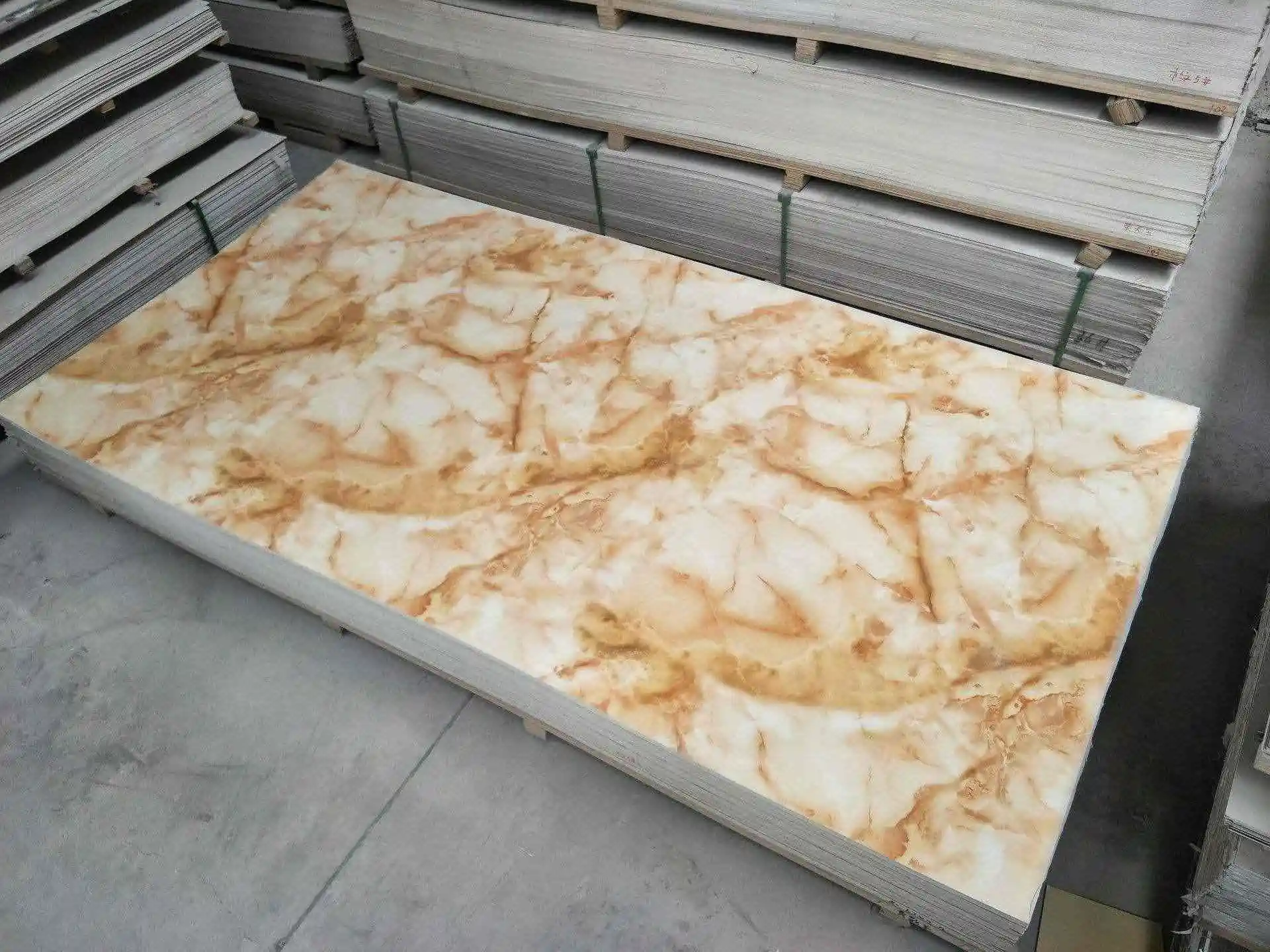
In terms of resilience, UV board panels offer excellent scratch resistance and are designed to withstand daily wear and tear, making them suitable for high-contact areas. Moreover, the UV coating adds a moisture-resistant barrier, an essential feature in humid environments such as kitchens and bathrooms. UV carbon crystal board is a type of board with a UV layer printed on its surface (liquid resin is applied to the floor surface and quickly cured by ultraviolet light, forming a transparent protective film)
How UV Board Differs from Traditional Interior Panel Materials
UV boards differ from usual options like melamine, acrylic, or laminate panels. They stand out due to steady shine and better strength. Melamine boards cost less. But they lose brightness with time. Acrylic panels give shine. Yet they feel softer and scratch easier. UV boards mix the good parts from both. They offer lasting shine and strength.
In build, UV boards keep edges strong over long periods. Laminate layers might peel or chip at the edges. But the UV-cured surface sticks better. It holds edges well.
Safety for the environment sets it apart, too. The base uses wood-plastic board (WPC). It’s an extruded board. Then, the top gets PVC film, PP scratch-resistant film, PET-G high-gloss film, and more. The making process avoids formaldehyde in glues and coatings. So, it helps keep indoor air clean and healthy.
When Does UV Board Material Make Practical Sense in Interior Projects?
Ideal Interior Scenarios Where UV Board Excels
UV board works best where looks meet real needs. Take kitchen cabinets and ready-made furniture. Its resistance to scratches and water keeps surfaces clean. This holds up against oils, tools, and spills.
Shop interiors gain a lot from UV boards. The even look and shiny tops keep a steady brand style in many stores. Offices use their easy upkeep too. Daily wipes don’t harm the finish. So, it stays sharp and pro.
Limitations to Consider Before Choosing UV Boards
UV boards have upsides, but they come with limits. They react to hard hits or strong heat. Hot items right on top might bend or change color. Also, check edge banding fit early in plans. Some glues don’t stick to the smooth UV surface.
Matching with base materials matters. Medium-density fiberboard (MDF) often serves as the core. But not every glue works the same on different bases.
How to Evaluate the Suitability of UV Board for Your Project Scope?
Key Criteria for Selecting UV Board Based on Project Requirements
Picking the best UV board means checking specs that fit your aims. Gloss on the surface counts a lot. Many pick super-shiny for max bounce-back of light. But dull options exist for simple style.
Thickness needs to fit the build needs. Tough jobs might need thicker panels for steadiness. Base match is vital too. UV layers go on MDF or particle board cores. Yet MDF gives smoother flats and better hold for screws.
Weather, such as temperature changes or dampness, should guide choices. In wet spots such as beach areas or baths, WPC core UV boards promise long-lasting work.
Questions to Ask Suppliers Before Sourcing UV Boards
When getting UV boards from sellers, ask about custom work like color fits or special sizes. Steady looks in big jobs rely on even batches. So, check if they test quality over many runs.
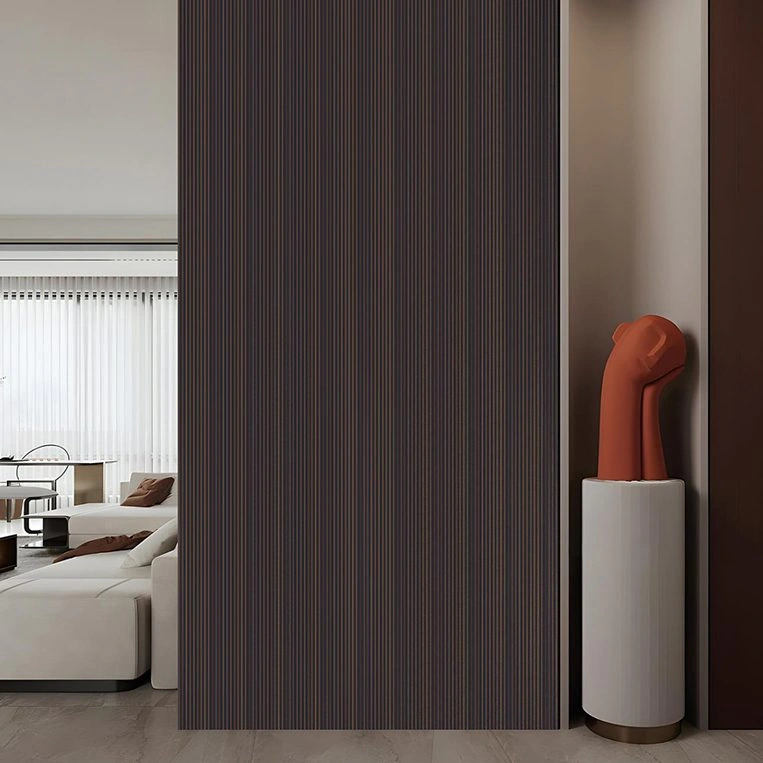
Get papers on green certs, too. The S10053 Premium PS 3D Wall Panel – Wood Effect with Morandi Color Finish skips formaldehyde. It has no heavy metals and fights bugs. This should be normal for inside goods now. Clear times for delivery matter to skip hold-ups from low stock.
How Does UV Board Perform in Long-Term Commercial Use Cases?
Maintenance Expectations for High-Traffic Commercial Interiors
To keep the shiny look of UV boards long-term, follow care steps. Skip rough cleaners. Use soft cloths and light soaps instead. They clean without fading the shine.
A big plus for UV board is its hold against color loss from fake lights. In shops or offices with long light hours, the UV top layer stops fading. So, colors stay bright for years.
Durability Insights Based on Application Type and Usage Patterns
How long UV boards last depends on how they’re used. In hotels, looks matter most. Contact stays light there. So, panels hold up with little work. But in shop counters or office desks with lots of moves, edges might wear if set up incorrectly.
Edge banding helps a lot in those spots. Strong edges stop peeling or breaking from rubs or bumps.
What Procurement Support Does SANGNI Offer for UV Board Projects?
Our Role as a Trusted Procurement Agent in the Interior Industry Supply Chain
SANGNI, a subsidiary of Huahong Art Home, has over ten years of experience in home goods. We focus on finding top building items like UV boards via our wide seller links. With solid market knowledge and checked sellers, SANGNI gives cheap, full sourcing for firms around the world. We make sure of great quality.
Our procurement team assists clients with bulk orders while ensuring consistent quality standards across batches. We handle the entire shipping process from customs clearance to final delivery ensuring a seamless supply chain.
Product Categories Available Through SANGNI’s Procurement Services
UV High Gloss Boards for Cabinetry and Furniture Panels
These items come in different shine levels. They suit business interiors that want strong visual pops. Colors match current styles. We can tweak them on request.
Matte Finish UV Boards Tailored for Subtle Design Aesthetics
These fit offices or hotel spots where less shine works best. The panels keep the scratch hold and strength of shiny types.
Fire-Rated UV Panels for Enhanced Safety Compliance Projects
For jobs that need fire rules—like hotels or schools—we find UV panels with fire-slow traits. They keep the nice look too.
FAQ About Using UV Board Material in Interior Projects
Q: How does UV board compare to acrylic or laminate panels in durability?
A: While acrylic offers good shine and laminate offers affordability, UV board combines gloss with durability. Its UV-cured top layer resists scratches better than acrylic and maintains color longer than laminate.
Q: What are the best applications for UV board in interior design?
A: Ideal applications include kitchen cabinets, wardrobes, retail displays, and office partitions—especially where aesthetics must meet wear resistance.
Q: How do I choose between matte vs high-gloss UV board finishes?
A: Choose matte for low-reflection environments like offices or lounges; go with high-gloss in kitchens or commercial spaces where reflectivity enhances visual depth.
Q: Which core material is better for UV boards—MDF or particle board?
A: MDF is typically preferred due to its smooth surface and higher density, offering better support for the UV coating and superior durability over time.
Q: What certifications should I look for when purchasing UV boards?
A: Ensure products are formaldehyde-free and meet global sustainability standards like FSC or ISO9001—SANGNI offers certified products meeting BSCI, SMETA, FSC, GRS, and ISO9001 standards. Always request documentation from your supplier.