What Is UV Board and Why Does It Matter for Bathroom Furniture
UV Board Material Composition for Moisture-Heavy Bathroom Environments
UV board is a waterproof composite panel. It is designed to work well in damp bathroom settings. This makes it a top choice for today’s bathroom furniture. It uses a WPC or PVC-based substrate. Then, it adds a shiny UV-cured film on top. This mix offers solid structure and a guard layer. The layer fights off humidity, water splashes, and everyday steam. As a result, bathroom cabinets, vanities, and shelves keep their form and shade. They avoid swelling or peeling as time passes.
UV-Cured Surface Technology and Key Performance Characteristics
UV-cured surface technology brings UV board its main toughness and shine. It beats out regular laminated or painted boards in performance. The UV coating cures fast under ultraviolet light. This forms a firm, sealed layer that resists scratches. Such a shield boosts the board’s power against cleaning agents, soap leftover, and spills from care products. These are things that often harm usual materials in bathrooms.
How UV Panels Differ from MDF, PVC, and Other Traditional Furniture Boards
UV panels stand out from MDF, PVC sheets, or melamine-faced boards. The UV top layer boosts both looks and strength. Unlike MDF, UV boards stay dry and do not warp. Standard PVC sheets lack the same surface toughness and color hold. For bathroom pieces that need vivid finishes, stone designs, or sleek shine, UV board gives a high-end look. It also needs little care.
Waterproof and Durability Advantages of UV Board in Bathroom Applications
Water Resistance, Steam Resistance, and Long-Term Structural Stability
Water resistance stands as the key plus of UV board for bathroom furniture. The UV-coated surface serves as a moisture block. It stops water from soaking in. It keeps the base steady, even in bathrooms with poor airflow. Steam over long periods does not lead to bubbles, bends, or edge puffing. Thus, the UV board fits perfectly for vanities, wall storage, and basin cabinets.
Surface Durability: Scratch Resistance, Color Retention, and Anti-Fouling Properties
Surface toughness of UV board helps owners who want lasting bathroom furniture. The UV-cured coating fights scratches. It guards against daily use. This keeps the shine and feel steady. The tough surface also blocks stains, prints from fingers, and spills from makeup. It cuts down cleaning time a lot. This beats matte-laminated boards or painted wood.
Comparative Moisture Behavior of UV Board vs. WPC, PVC, and MDF Panels
UV board does better than MDF and basic PVC in wet conditions. Its coating makes a closed, non-absorbent layer. WPC boards resist water, too. However, the UV coating adds much better surface strength and ease of cleaning. This extra guard makes the UV board very useful in bathrooms. There, steady dampness and chance water hits are common.
Resistance to Swelling and Deformation Under High Humidity
Resistance to swelling and bending keeps UV board cabinets and shelves in good shape. This holds true even in bathrooms with regular damp air. Such steadiness sets UV board apart from MDF. MDF grows quickly when it meets moisture.
Mold Prevention and Hygienic Benefits for Bathroom Furniture
Mold prevention offers another key gain. The UV surface stops moisture intake. It also cuts down on germ spread. This keeps UV-coated bathroom furniture clean and safe. It suits homes that value neatness.
Functional and Aesthetic Benefits of Using UV Board in Bathroom Furniture
High-Gloss, Matte, and Marble-Look UV Finishes for Modern Bathroom Design
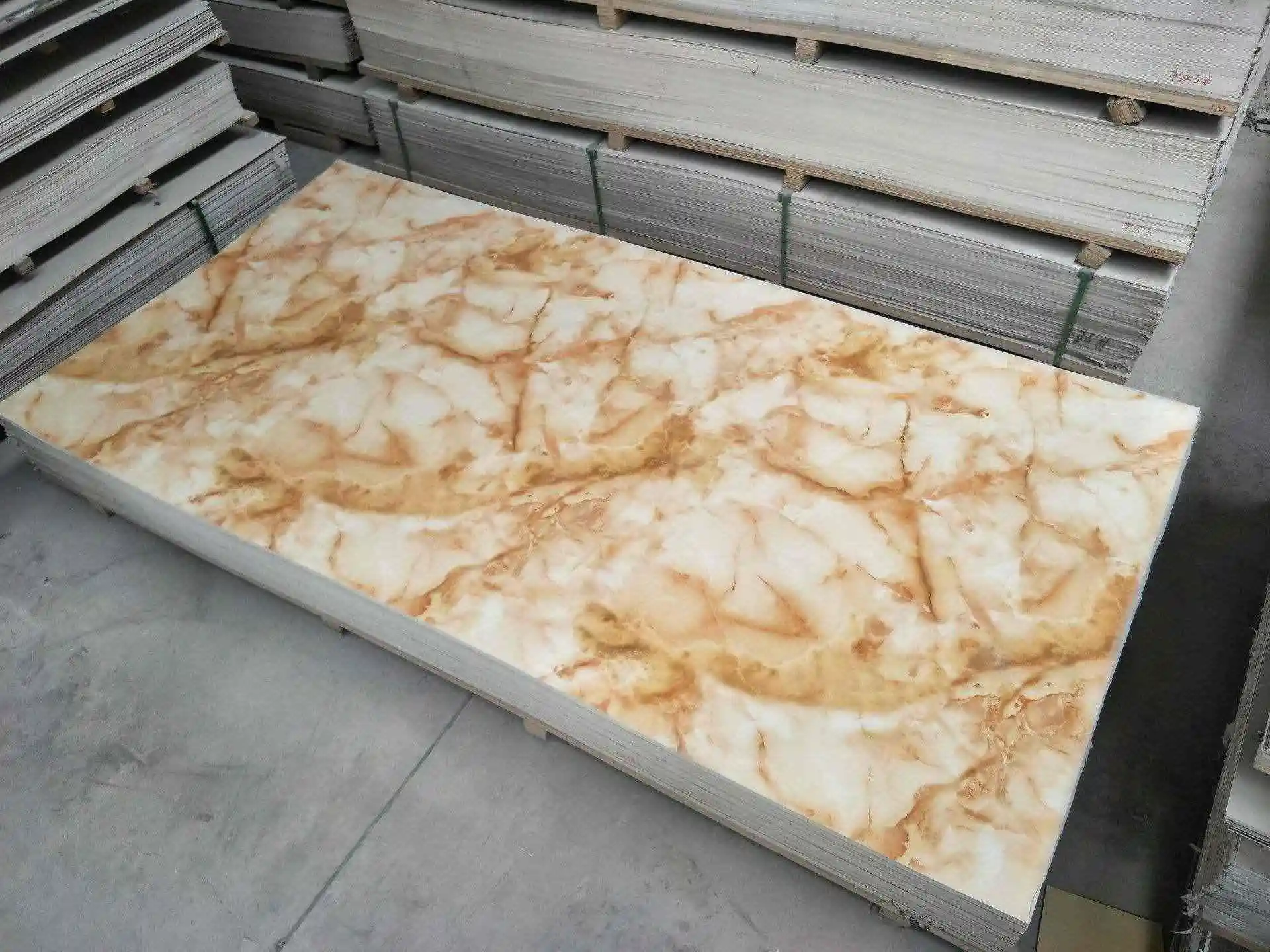
High-gloss and marble-look UV finishes lift bathroom furniture style. They bring bright colors and fine textures. These options copy fancy materials like smooth stone or coated surfaces. Yet, they skip the heavy weight, high price, or upkeep issues. Matte UV finishes are growing in use for simple spaces. They give a soft style but keep a strong build.
Strength, Load Capacity, and Structural Advantages for Cabinets and Vanities
Strength and load capacity make the UV board right for bathroom cabinets. These need steady work each day. The base material holds up stored goods. The UV surface keeps the whole thing together. It handles changes in dampness.
User Experience Benefits: Easy Cleaning, Low Maintenance, and Smooth Surfaces
User experience gets better with bathroom furniture that needs little cleaning. The smooth UV layer stops dirt from sticking. It lets you wipe it clean with ease. This proves helpful on cabinet doors, drawer fronts, or shelves.
Compatibility With Contemporary Bathroom Hardware and Storage Systems
Compatibility with soft-close hinges, aluminum frames, and hidden mounting hardware helps. Designers can build clean bathroom setups without limits.
Design Flexibility for Customized Bathroom Layouts
Design flexibility of the UV board aids custom furniture sizes. It supports special finish mixes and tailored setups. This works for home or business bathrooms.
Installation and Maintenance Guidelines for UV Board in Bathroom Projects
Cutting, Edge Sealing, and Fastening Techniques for Moisture-Proof Assembly
Cutting and edge sealing matter a lot in bathroom projects with UV board. Exposed edges need protection from dampness. Good fastening methods and sealing strips boost toughness. They ensure lasting work for cabinets and wall units.
Proper Cleaning Practices to Maintain Surface Gloss and Hygiene
Proper cleaning practices keep the UV board shiny and clean. You just need gentle cleaners and soft cloths. This simple care makes it better than painted or coated furniture.
Lifecycle Expectations and Sustainability Benefits of UV-Coated Composite Panels
Lifecycle expectations for UV-coated panels go beyond old boards. The top layer stops early damage. Plus, WPC-based UV board cuts waste. It provides options free of formaldehyde.
Compliance With Eco-Friendly Material Standards and Safety Requirements
Compliance with global environmental standards, like low VOC rules, fits the UV board for the world bathroom markets.
Recommended Inspection Steps for Long-Term Performance
Recommended inspection steps cover door alignments, edge strength, and sealing checks. These keep top performance going.
Market Insights: Global Demand for UV Board in Bathroom Furniture Manufacturing
Trends Driving Adoption of Waterproof Composite Materials in Bathrooms
Trends in current bathroom design point to a rising need for waterproof composite materials like UV board. This comes from damp resistance, clean standards, and love for fine shiny finishes.
Buyer Evaluation Criteria: Thickness, Surface Film Types, and Gloss Levels
Buyer evaluation criteria often cover panel thickness. They include the type of UV film, such as PET-G, PP, and PVC. Gloss level choices fit local market tastes.
Cost Considerations: Coating Processes, Raw Material Types, and Quality Variations
Cost considerations change based on UV curing steps, film quality, and base choices. Knowing these helps global buyers decide wisely.
Common Quality Pitfalls When Sourcing UV Panels for Bathroom Use
Common pitfalls include uneven shine, poor curing, and a weak bond between the coating and the base.
Risk Management Strategies for International Bathroom Furniture Buyers
Risk management strategies include checking suppliers, testing samples, and confirming pack standards for far shipments.
SANGNI Solutions for UV Board and Waterproof Materials in Bathroom Furniture
SANGNI’s Supply Capabilities for UV Boards, WPC Panels, and Bathroom Components
At SANGNI, we aid global buyers. We supply UV boards, waterproof WPC boards, and bathroom parts. These fit wet bathroom needs. Our network links to makers of UV-coated panels. They suit vanities, storage units, and wall decor. We also offer related items, like storage aids and waterproof PS wall panels. This keeps things uniform in bathroom work.
Quality Control, Moisture Testing, and Packaging Protection for Bathroom Products
Our quality control system checks damp resistance, coating stick, and surface strength. It makes sure the UV board meets world standards. We also review bathroom add-ons, like laundry baskets and storage. This confirms a material match. Safe packaging stops scratches and bends in shipping.
Procurement Advantages: One-Stop Sourcing for Bathroom Cabinets, Panels, and Accessories
Our one-stop procurement model eases sourcing for bathroom furniture makers, sellers, and project teams. We handle production times, material picks, and shipping. This cuts wait times and simplifies tasks.
How SANGNI Ensures Consistent Material Quality Through Its Supplier Network
We ensure material consistency through long-term supplier partnerships, factory audits, and multi-stage inspection procedures.
Why Global Bathroom Furniture Brands Choose SANGNI as a Long-Term Partner
Global buyers choose SANGNI because our sourcing solutions provide stability, flexibility, and reliable quality across bathroom-focused product lines.
FAQ
Q: What is UV board, and why is UV board suitable for bathroom furniture?
A: UV board is a composite panel with a UV-cured protective layer that enhances water resistance, durability, and color stability. SANGNI supplies UV board materials that perform well in moisture-heavy bathroom environments.
Q: How to choose the UV board for waterproof bathroom cabinets?
A: Selecting UV board involves evaluating substrate quality, UV film thickness, gloss level, and edge sealing options. SANGNI helps buyers source boards that meet moisture-resistance and aesthetic requirements.
Q: Is UV board better than MDF or PVC for bathroom furniture?
A: UV board generally performs better in bathrooms because it resists swelling, fading, and surface wear. MDF absorbs moisture easily, while ordinary PVC lacks surface hardness compared with UV-coated panels supplied by SANGNI.
Q: Which type of UV finish is best for bathroom furniture?
A: High-gloss UV finishes suit premium bathroom styles, while matte and marble-look finishes work well for minimalist or natural designs. SANGNI sources multiple finish types to meet different design needs.
Q: What are the main factors that affect UV board durability in bathrooms?
A: Key factors include substrate quality, UV curing consistency, film adhesion, and proper installation. SANGNI performs inspections to ensure panels meet durability expectations for bathroom use.