
PS Wall Panels Overview and Key Material Advantages
What Are PS Wall Panels?
PS wall panels, or polystyrene wall panels, are lightweight, durable, and decorative interior cladding materials widely used across modern residential and commercial environments. These panels are engineered from high-density polystyrene, giving them a unique balance of strength, waterproof performance, and easy handling—qualities that make them increasingly attractive for fast renovations and large-scale interior upgrades. As a molded or extruded decorative material, PS wall panels provide clean lines, stable coloration, and versatile textures without the limitations of traditional wood-based solutions.
Essential Properties of Polystyrene Wall Panels for Modern Interiors
PS wall panels deliver strong day-to-day performance because the material naturally resists moisture, insects, and warping. Their lightweight structure reduces installation time and eliminates the need for heavy machinery or reinforcement. These features offer clear benefits in both home improvement and commercial construction, where efficiency and long-term reliability are key. The panels are also formaldehyde-free and recyclable, supporting the growing global demand for healthier and more sustainable building materials.
Comparison of PS Panels with PVC, WPC, and MDF Materials
PS wall panels outperform MDF panels in moisture resistance and outperform PVC in decorative flexibility and texture realism. Compared with WPC, PS panels offer greater color consistency and cleaner surface finishes, making them better suited for interior feature walls. These differences explain why PS wall panels are becoming a preferred choice for designers seeking durable, low-maintenance materials without compromising visual appeal.
Applications of PS Wall Panels in Residential and Commercial Interiors
Residential Applications: Bedrooms, TV Walls, Hallways, and Living Areas
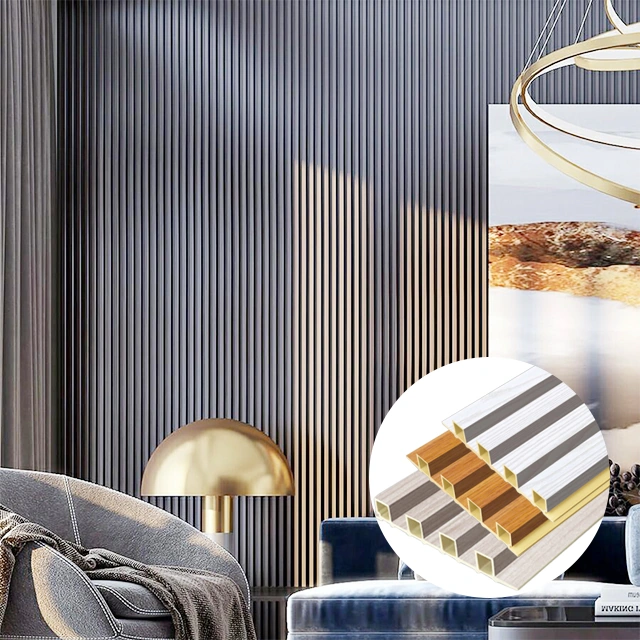
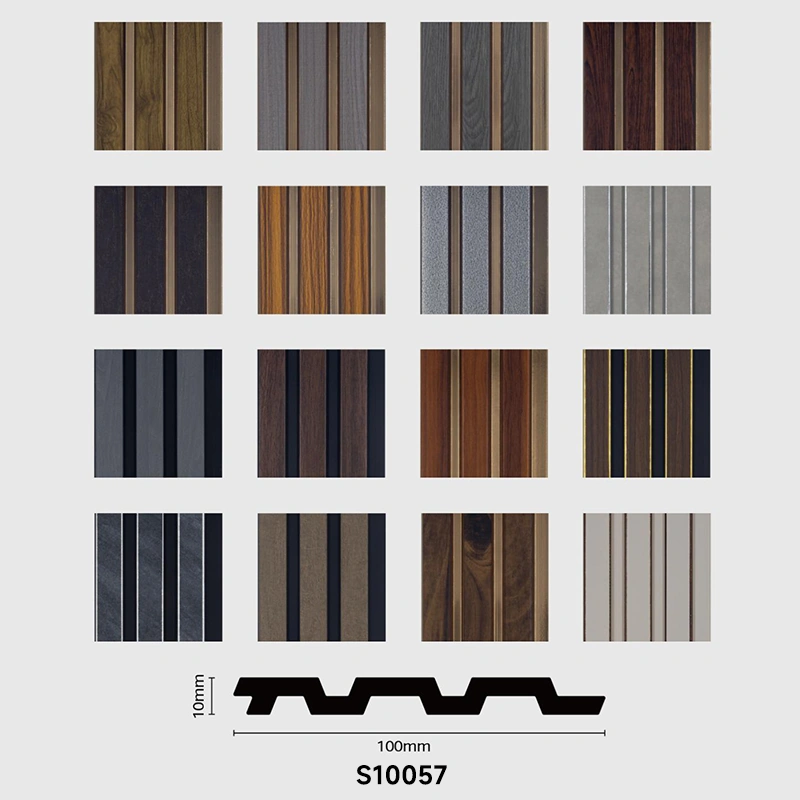
PS wall panels work well to shape the look of today’s homes. In bedrooms, folks often pick upright or slatted PS panels. These soften lights and add building charm. TV feature walls gain from 3D surfaces. They frame screens without extra cabinets. Hallways and living rooms use PS panels as highlight strips or rough backdrops, too. This creates a fresh style with little work. For these spots, the Premium PS 3D Wall Panel S10057 – 10mm x 100mm x 2.9m stands out. Its upright stripe pattern and simple shape rhythm make it a favorite.
Commercial Applications: Retail, Offices, Hospitality, and Public Spaces
Businesses adopt PS wall panels for their ability to create a polished, professional atmosphere with consistent quality and minimal installation downtime. Retail stores use grooved or linear panels to highlight merchandise zones, and offices apply them in meeting rooms or reception areas to reinforce brand identity. Restaurants and hotels often choose soft-toned finishes that complement warm lighting. The S10051 Modern 3D Wall Panel, featuring a wide 988mm visual profile, is widely used in such projects for its elegant textures and contemporary styling.
Design Versatility: 3D Profiles, Color Systems, and Surface Effects
PS wall panels give designers more choices than many standard decorative items. You can mix 3D cuts, wave shapes, or basic lines over different feels. This range lets you create many looks. Think Nordic wood looks, soft Morandi colors, stone grace, or city rough styles. The Premium PS 3D Wall Panel S10053 shows this well. It mixes wood-like surfaces with calm Morandi shades. That fits high-end homes and workspaces nicely.
Installation, Performance Reliability, and Long-Term Maintenance
Common Installation Methods: Glue, Nails, Buckles, and Clips
PS wall panels are designed for fast installation using glue, small nails, clip-on systems, or left–right buckle joints. These methods reduce labor intensity and allow installers to complete large areas in a shorter time compared with MDF or tile cladding. Their lightweight further simplifies handling, making PS panels ideal for overhead or difficult-to-reach areas.
Key Performance Benefits: Waterproof, Insect-Resistant, Stable Color
One of the strongest advantages of PS wall panels is their stability in various environments. They remain unaffected by humidity, temperature changes, or insect activity, ensuring long-term structural integrity. The material also maintains color saturation and finish quality over time, reducing maintenance costs for homeowners and commercial operators. This makes PS panels particularly valuable in hospitality and retail settings where daily wear is inevitable.
Maintenance Requirements for High-Traffic and Moisture-Prone Areas
Caring for PS wall panels is simple. Their even, closed surfaces help. Dust often and wipe now and then with light cleaners. That keeps their look fresh. Since they block water soak, PS panels hold up in half-wet spots like kitchens or paths. This stretches their use time further.
Market Insights: Why PS Wall Panels Are Gaining Global Demand
Global Design and Material Trends Favoring Lightweight Decorative Panels
The worldwide move to ready-made, light, and piece-by-piece interior items has lifted PS wall panels’ appeal. Designers and builders shift from heavy, hard work options. They turn to items that trim job times yet keep good looks.
How PS Wall Panels Reduce Renovation Costs and Improve Project Efficiency
PS panels cut fix-up times. They skip tough wall prep, make little trash, and cover well with long straight runs. This drops work and move costs right away. It’s key for home fixers and business backers who want steady budgets.
Specifications and Quality Factors Important to Designers and Contractors
Pros picking PS wall panels check mold size, depth, feel choices, and surface work quality. Bigger panels mean fewer joins to set. Varied feels let you mix ideas freely. Steady press, print, and color match matter for top results in big jobs.
How to Select the Right PS Wall Panels for Different Project Needs
Choosing Panel Width, Thickness, and Profiles Based on Application
Picking the best PS wall panel starts with space needs. Thin shapes give fine details in small spots. Wide shapes and deep 3D cuts make bold views in big rooms. Depth picks from 7–12mm fit most inside jobs. They balance strength and lightness well.
When to Use Embossed, Hot-Stamped, or Multi-Color Surface Finishes
Pressed and heat-stamped layers add a deeper touch and feel. They spotlight patterns well. Multi-color layers, like Morandi sets or stone-like coats, grow in use. They suit homes and work spots that want quiet class. These picks let PS panels match current gear, lights, and floors smoothly.
Scenarios Where PS Panels Provide Better Value Than MDF, PVC, or WPC
PS wall panels top MDF in damp zones. They beat PVC in true feel. They edge WPC in color steadiness. They suit quick, neat fixes and business areas. There, steady looks and lasting strength must fit money limits.
SANGNI as a Trusted B2B Sourcing Partner for PS Wall Panels
Our Role as a Global Procurement Agent for PS Wall Panels
At SANGNI, we act as a pro sourcing helper, not a design maker. We aid worldwide buyers in getting solid PS wall panel options from checked suppliers. Our focus is linking clients to makers with steady quality, fair prices, and sure output power.
How We Ensure Reliable Sourcing, Quality Control, and Packaging
We keep a full network of suppliers. They pass tough checks for material match, press accuracy, color hold, and surface care rules. With many-step checks, custom pack ways, and rule fits, we make sure clients get PS wall panels that hit world standards.
Our Logistics Strength and Support for Large-Scale PS Panel Orders
With long know-how in world shipping links, we handle box packing, papers, send times, and end delivery. These aids let businesses smooth buying, cut surprise waits, and keep stock steady. As a sourcing helper, we let buyers build their lines fast and securely.
FAQ
Q: What are the main advantages of PS wall panels compared with other decorative materials?
A: PS wall panels offer a combination of waterproof structure, lightweight handling, recyclable materials, and versatile textures. Options sourced through SANGNI, such as S10057, S10051, and S10053, provide both visual depth and long-term stability.
Q: How do I choose PS wall panels for different rooms or project environments?
A: Consider width, thickness, and finish selection. Narrow grooved panels suit smaller rooms, while wider designs enhance commercial walls. High-moisture spaces benefit from waterproof PS surfaces such as those used in the S10057 collection.
Q: Are PS wall panels better than MDF or PVC for modern interiors?
A: PS panels outperform MDF in moisture resistance and offer more natural textures than PVC. For buyers seeking stable coloration and long service life, PS panels generally provide a superior balance of performance and cost.
Q: Which PS wall panel finishes are trending for interiors?
A: Wood-effect textures, Morandi tones, and minimalist linear grooves are popular, especially in commercial and residential design projects. Panels like S10053 meet the demand for modern, muted color palettes.
Q: What should buyers look for when sourcing PS wall panels from suppliers?
A: Evaluate extrusion quality, finish consistency, packaging reliability, and supplier experience. Working with a sourcing agent like SANGNI ensures stable quality control, dependable logistics, and access to trusted manufacturers.